Current & Upcoming (1)
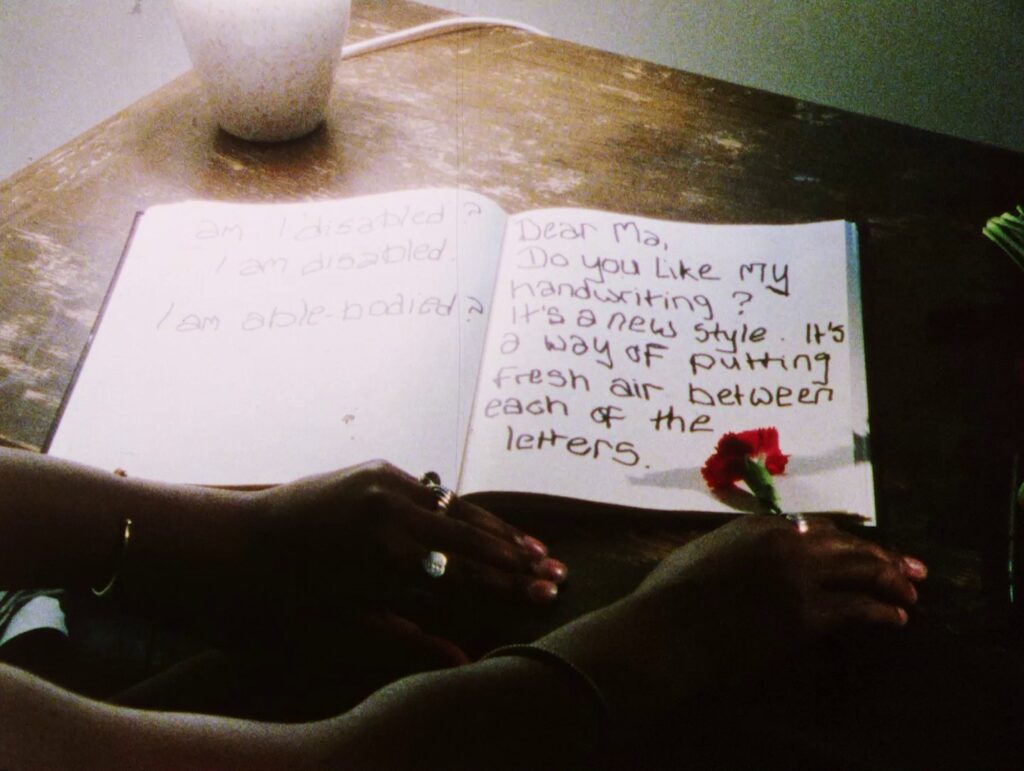
Starting With a Gesture Made Towards One Another is a public presentation of the Cinenova collection, shared here for the first time through a newly commissioned online catalogue — designed by Brussels-based studio those.tools. Launched with commissioned texts, archival scans and access to over 300 films, opening this vital feminist film collection to wider public encounter.
Past (12)
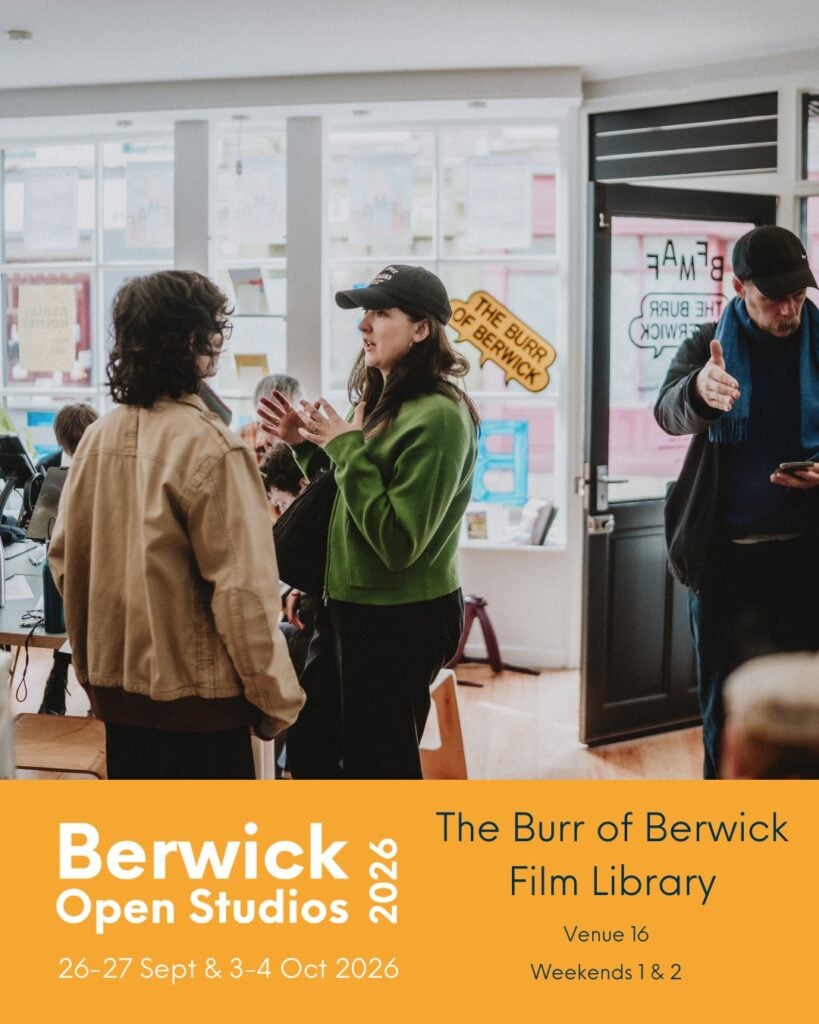
During Berwick Open Studios 2026, The Burr of Berwick Film Library Exhibition will feature select archival films in partnership with Cinenova, a volunteer-run organisation preserving and distributing the work of feminist film and video makers. Cinenova was founded in 1991 following the merger of two feminist film and video distributors, Circles and Cinema of Women, each formed in 1979.
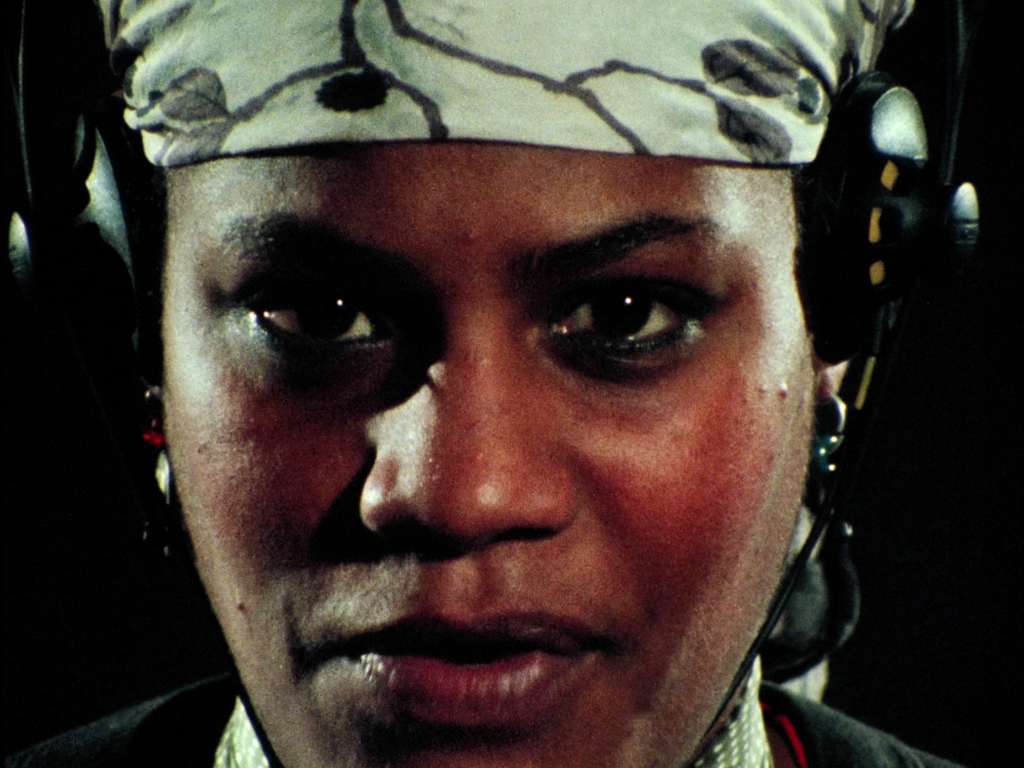
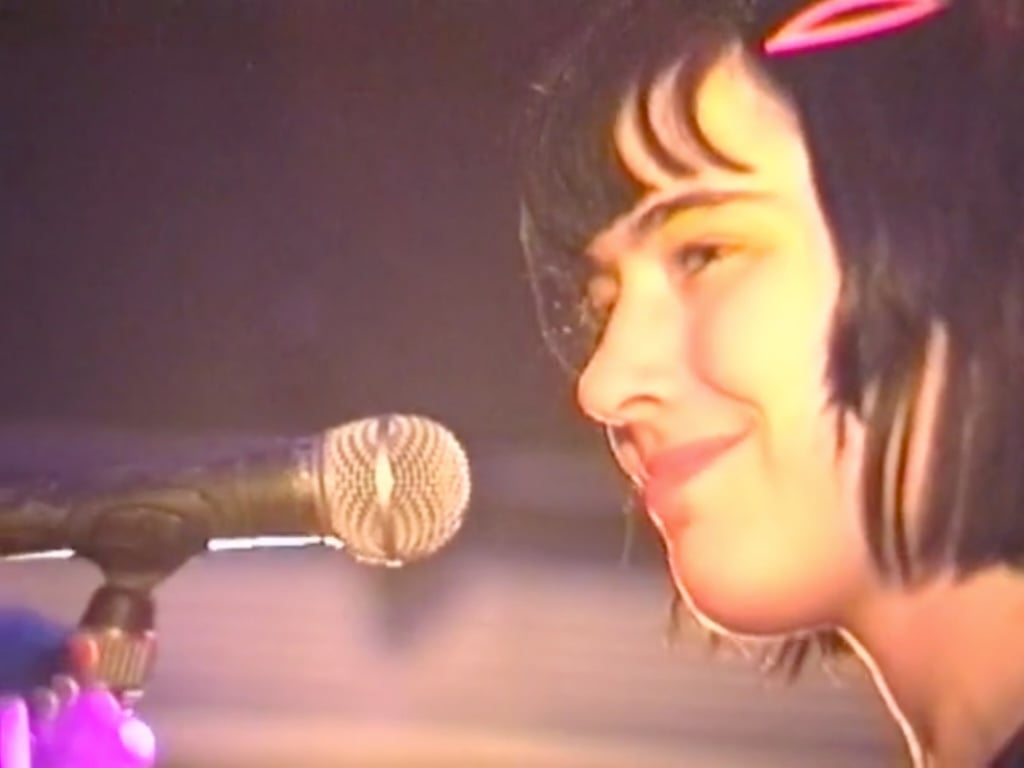
This film screening, programmed by BFMAF with filmmaker and writer Val Phoenix, explores feminist DIY punk in the late 20th century. The films in this programme share experiences and visions of women who created alternative spaces, scenes, zines and took to the stage to challenge conventions of beauty and gender within the punk scene, as well as issuing a challenge to the wider world. Food will be provided by Dewa’s Sri Lankan Delights at 5pm.
DATE
19 September, 17:00 – 20:45
LOCATION
St Aidan’s Peace Church
Run Time
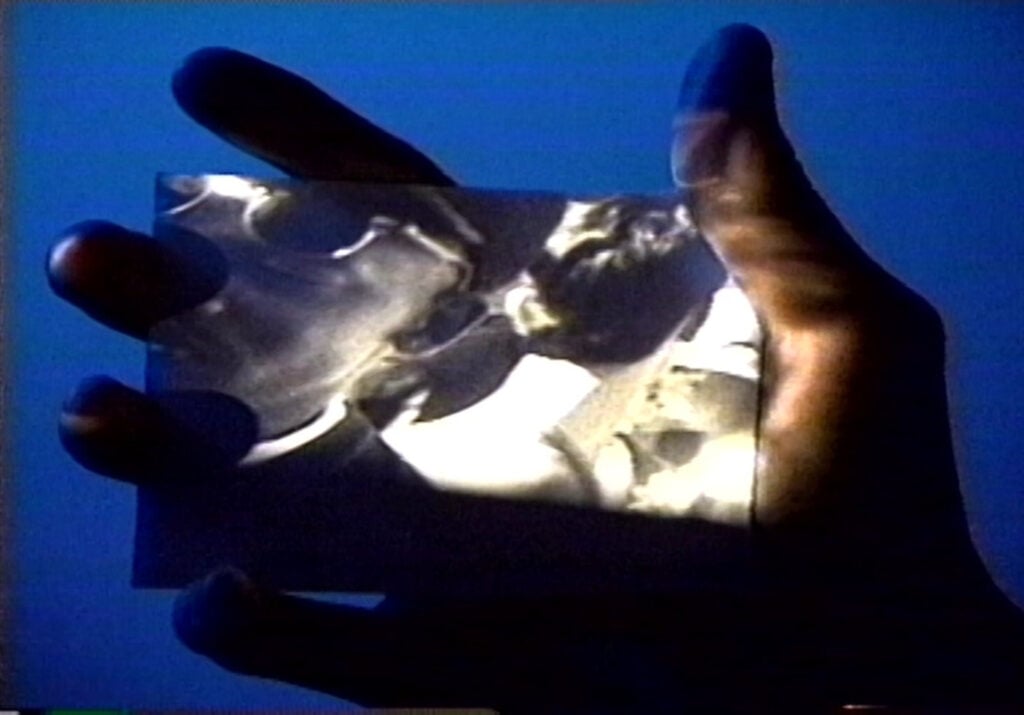
Many artists – from writers, to musicians and filmmakers – find inspiration in archives. This discussion, marking the launch of Cinenova’s new website, is an opportunity to hear about using archives as a creative tool. We’ll then share some food together before our evening film screening, Rhythm Disrupts the Archive, which includes two Cinenova films. Food will be provided by Dewa’s Sri Lankan Delights at 5pm.
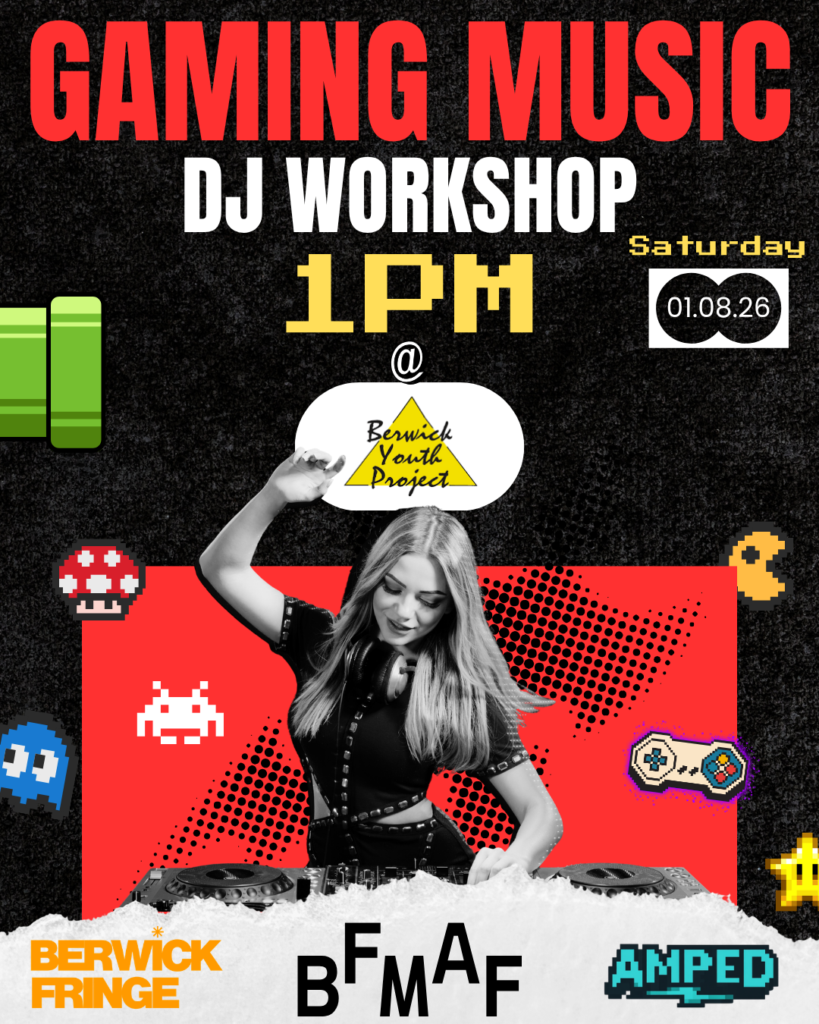
Passionate about video games and music? You think nobody can make a career out of that, right?!
Here is an opportunity to see how video game music is made!
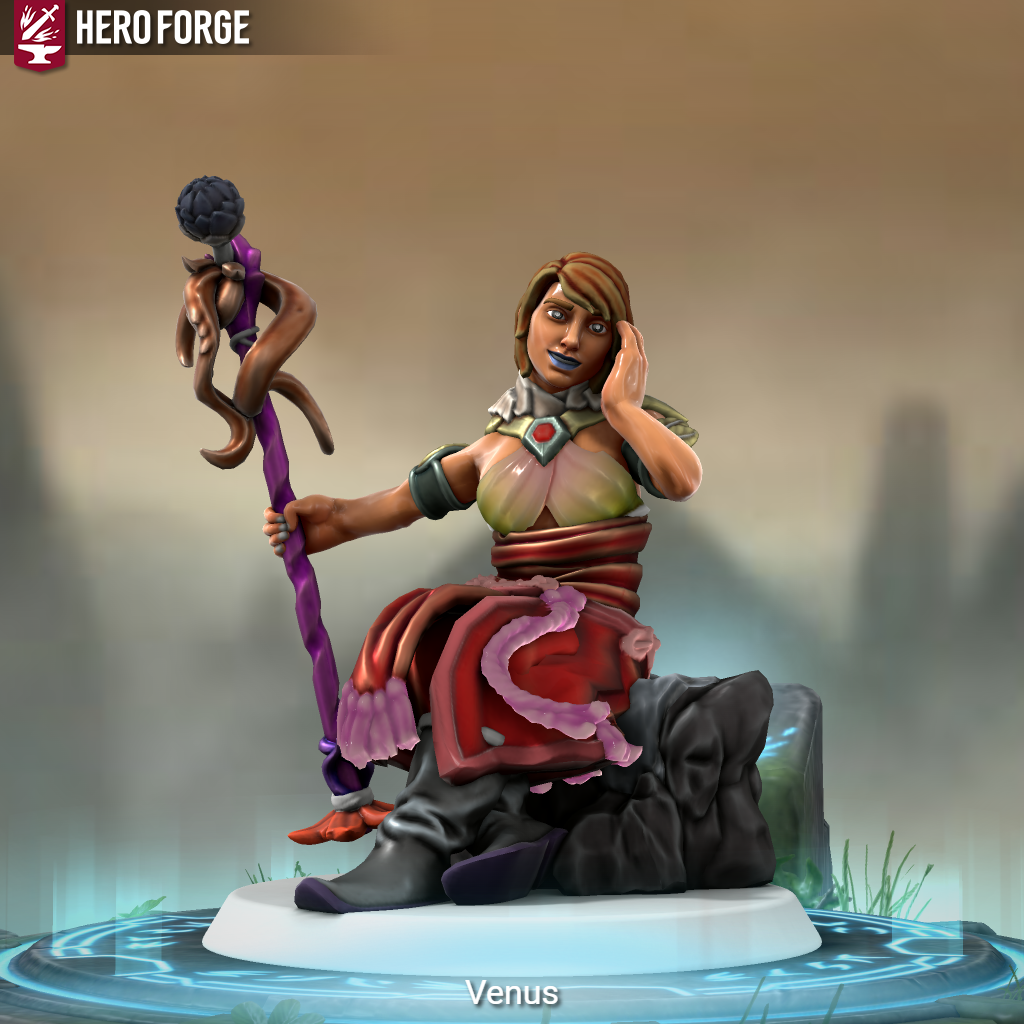
Imagine, design and create a character of your very own using simple digital tools like Hero Forge.
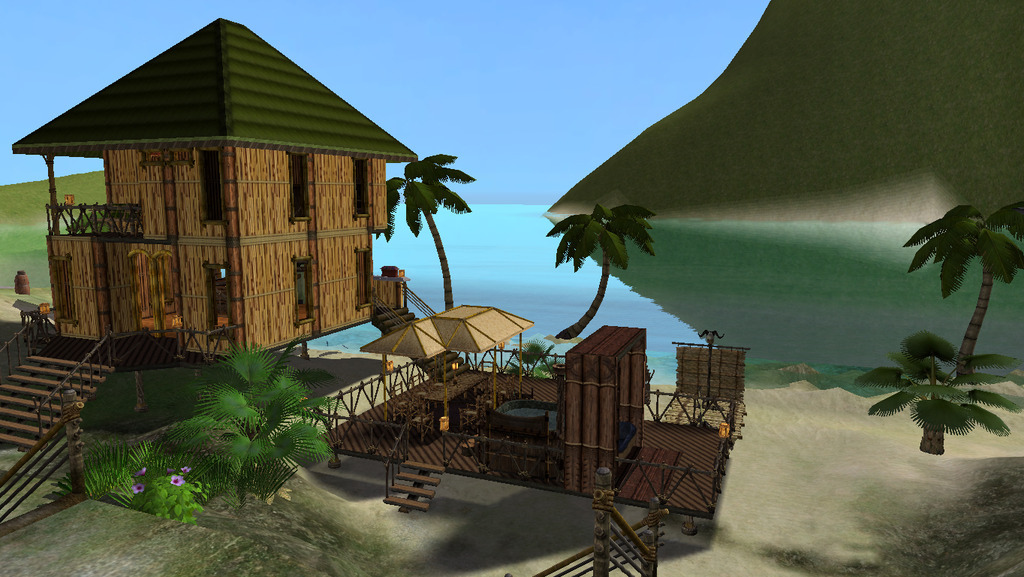
Create, modify and explore alternative worlds with G-Mod Maps. Drop into 22 Bridge St and dive into a whole new world!
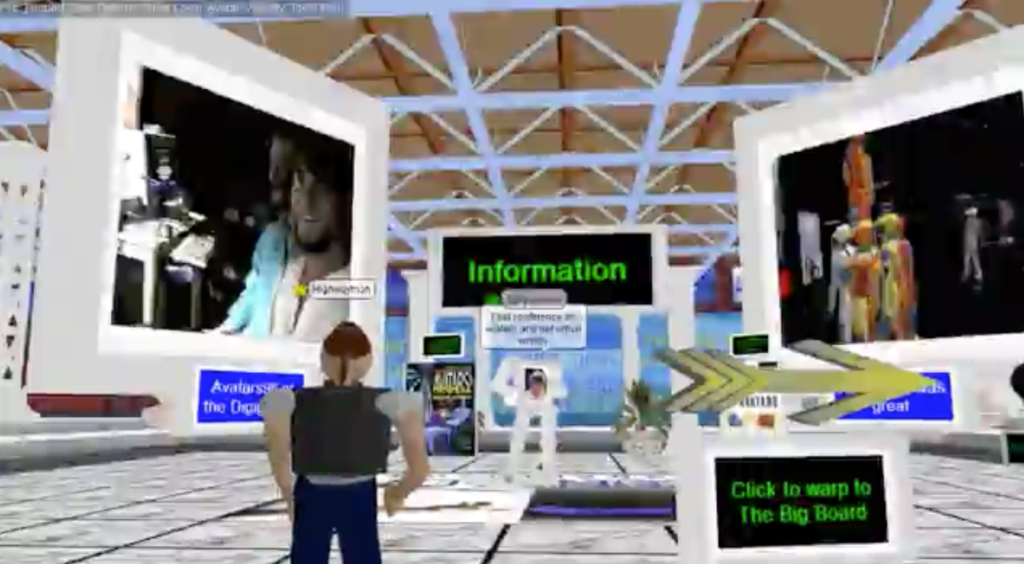
Learn to navigate the world wide web safely and enjoyably. Join us to discover the ultimate Internet Survival Guide, live and in person!
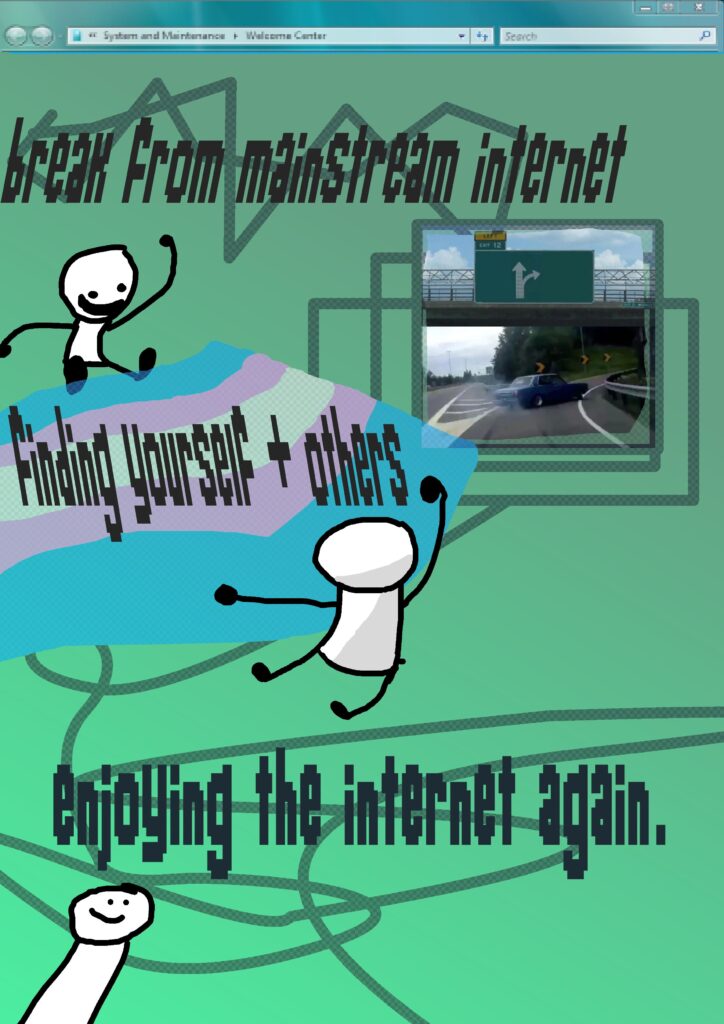
Sick of the mainstream internet? Sick of the noise of constant advertising across boring streaming services and broken social media platforms? Over the next few Saturdays, join the Burr’s friendly host and guest Programmer Dennie, whose loose guide to the internet will show you how to enjoy human-made art again.
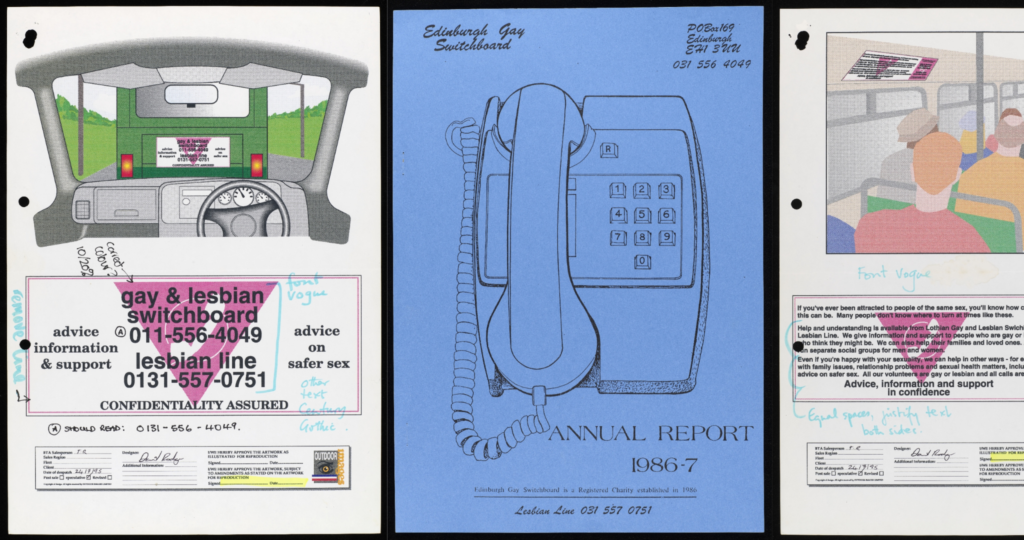
Join a free workshop exploring queer helplines, archives, and sound to imagine futures of community care, facilitated by Conal McStravick.
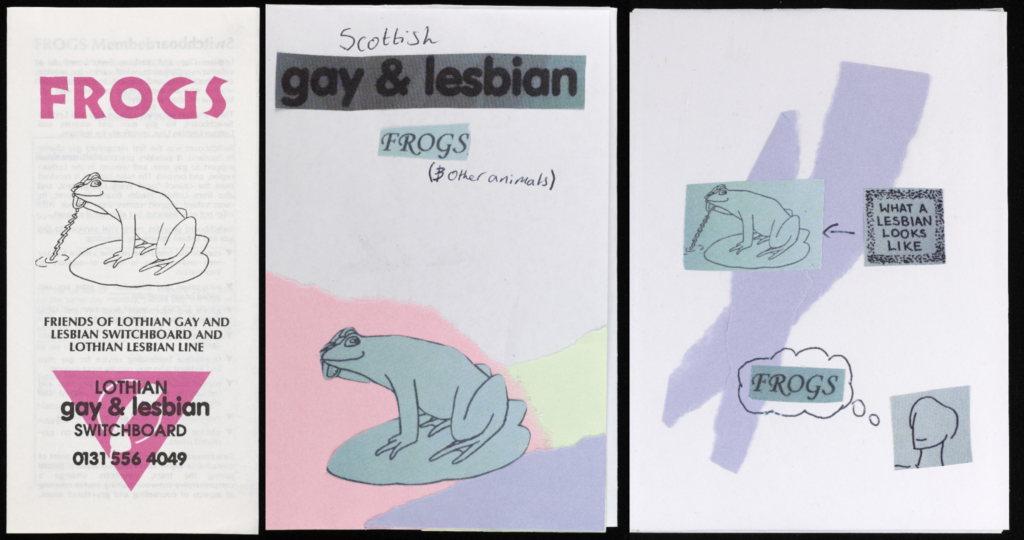
Join us for a free workshop exploring care as a range of political practices that involve maintenance, pleasure, conflict, sustenance, and scarcity.

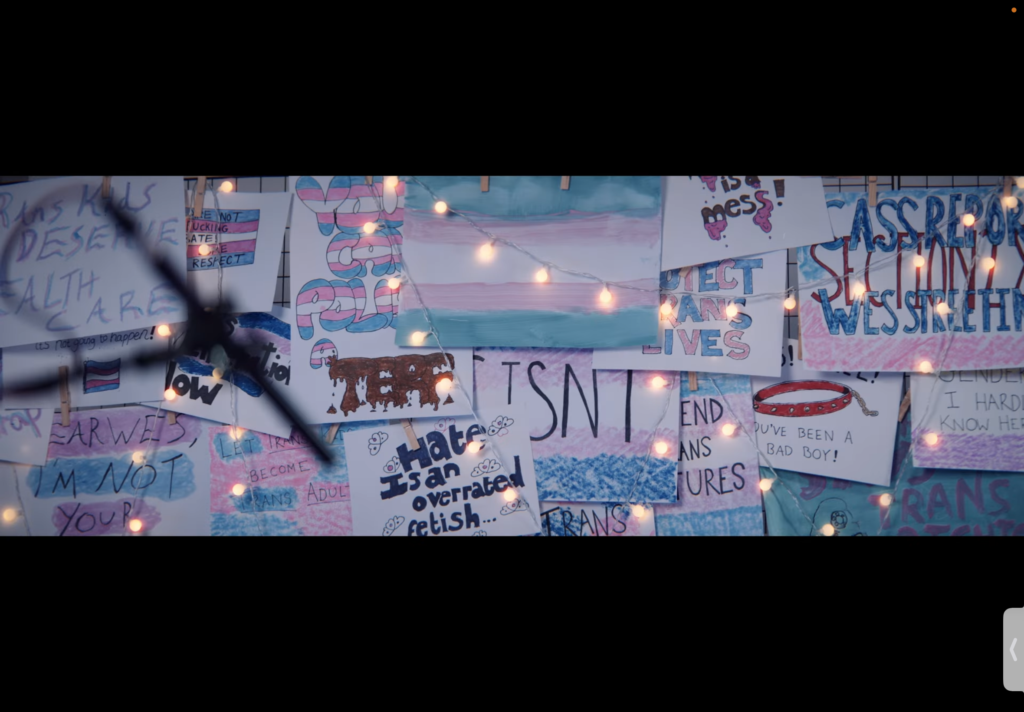
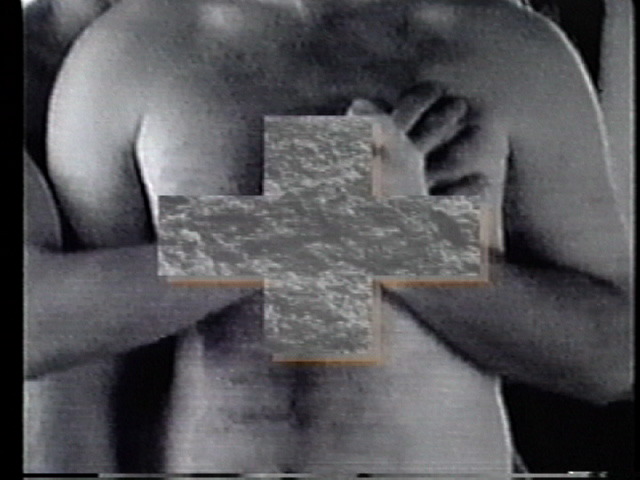
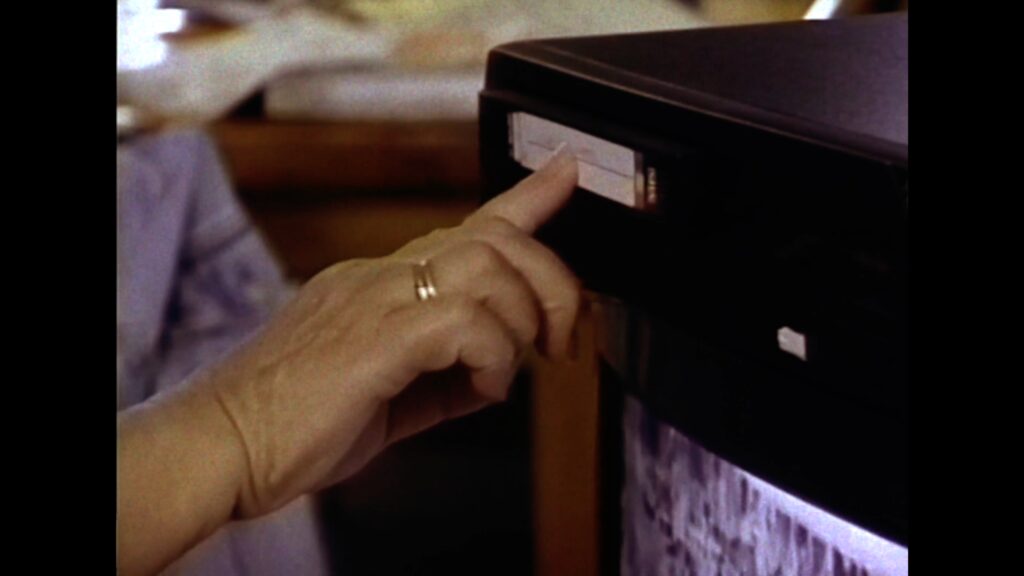
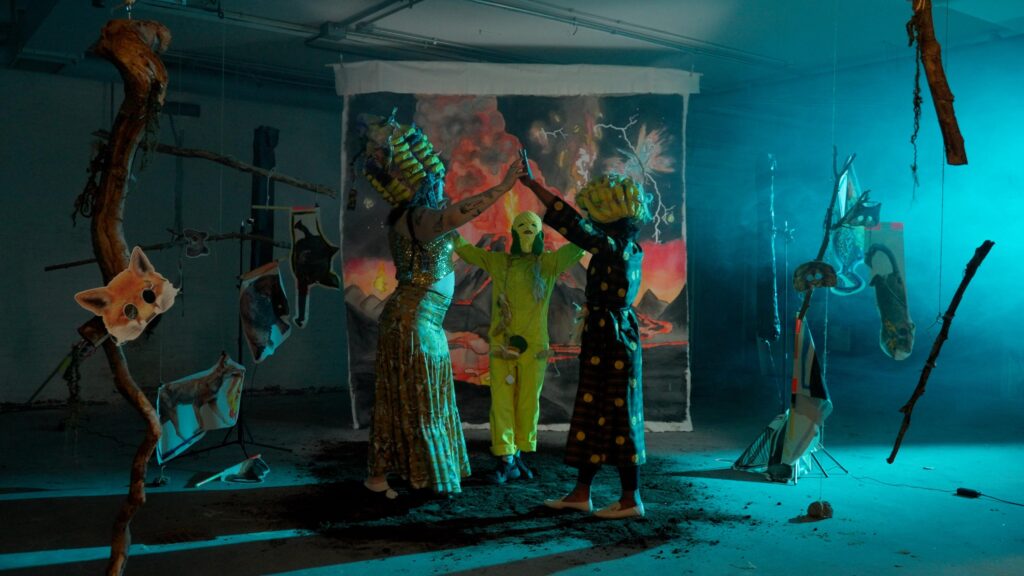
The Queer Care Caravan is a library of resources, films and events inspired by the use of caravans as a therapeutic retreat. Drop in and explore how care and knowledge are shared to support LGBTQIA+ people’s rights and wellbeing.