When freedom is at stake, who has the right to speak? Two films troubling the politics and poetics of language in public life; how it might be bent and shaped towards liberation of our individual and collective selves.
You can use these controls to adjust properties of the website’s presentation. Read more about the Festival’s Accessibility Guide
When freedom is at stake, who has the right to speak? Two films troubling the politics and poetics of language in public life; how it might be bent and shaped towards liberation of our individual and collective selves.
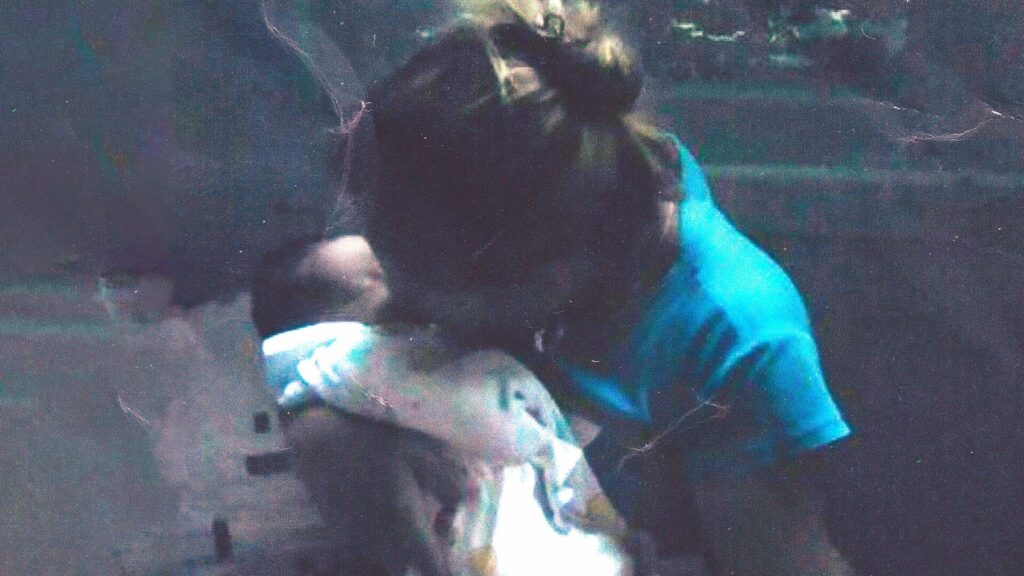
A raw, moving portrait of motherhood and mutual aid in a Chilean prison, captured by inmates on banned mobile phones. Testimonies from mothers serving long sentences shape a collaborative narrative touching on ways in which friendship, intimacy, resilience and community bloom in conditions of impossibility. Malqueridas is a generative example of the documentary form and a powerful contribution towards the case for abolition.
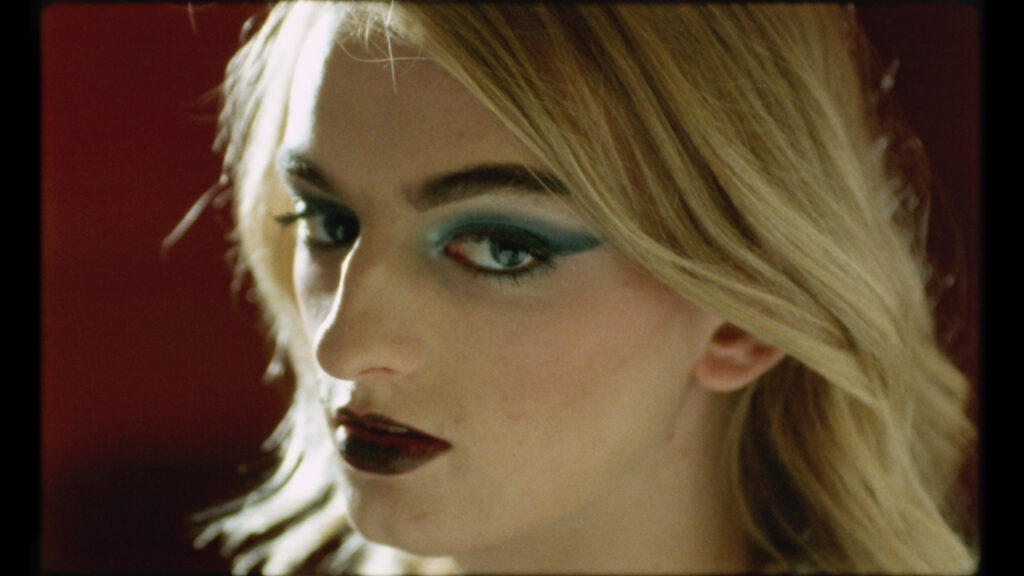
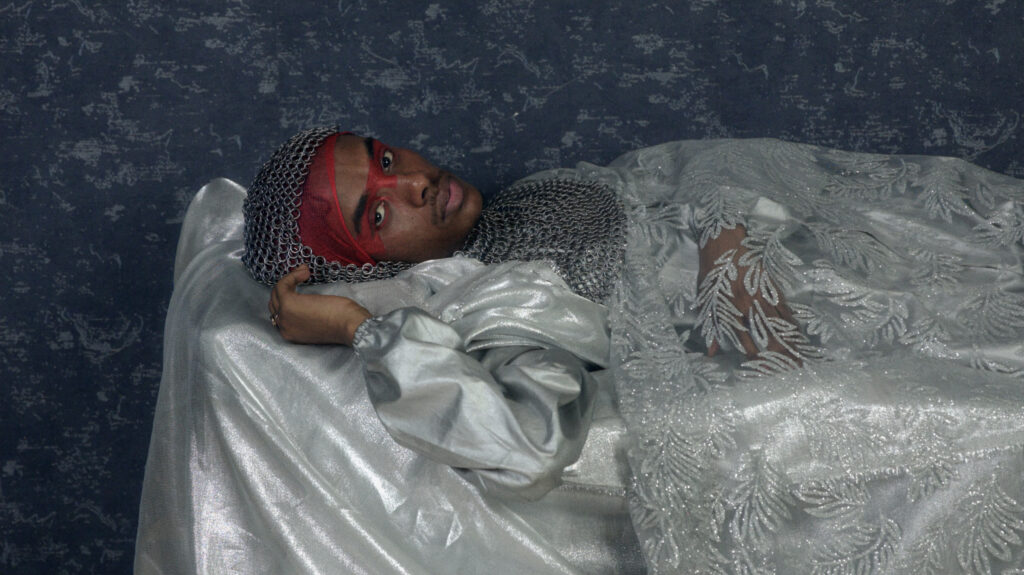
Meet Mamántula, the boy of everyone’s dreams… and a giant, cross-dressing spider-human with an appetite for revenge and sperm. In an alternate Berlin of brutalist saunas, sepulchral subway corridors and hardboiled detectives, he threads a silken trap. His dream: to cocoon the planet, victim by victim, in his sticky embrace. Will a couple of lovebirds with police badges stop him? Or will the gay community have to step in and take the law into their own hands?
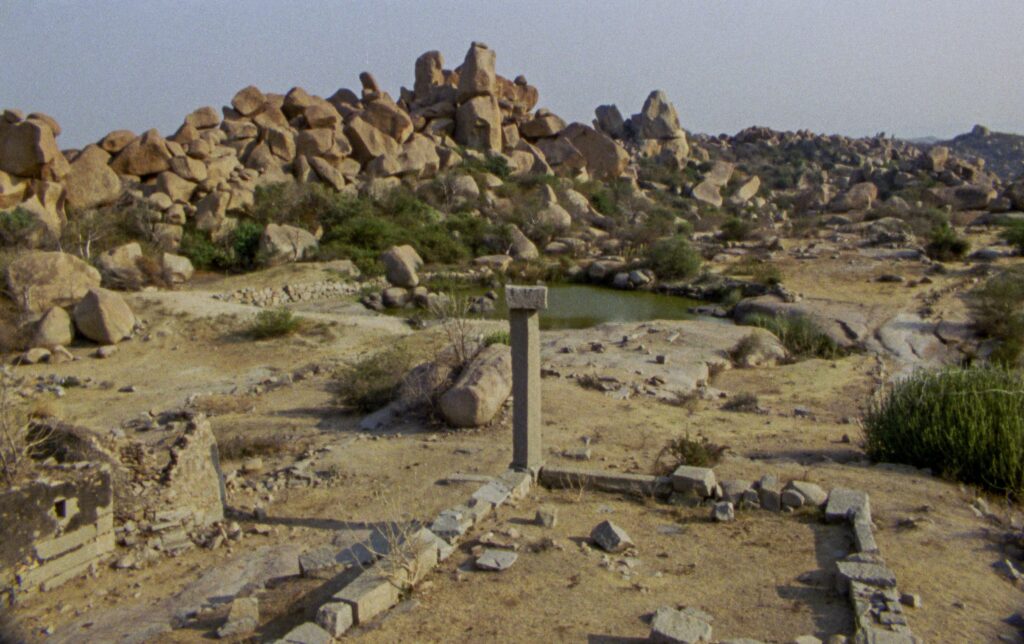
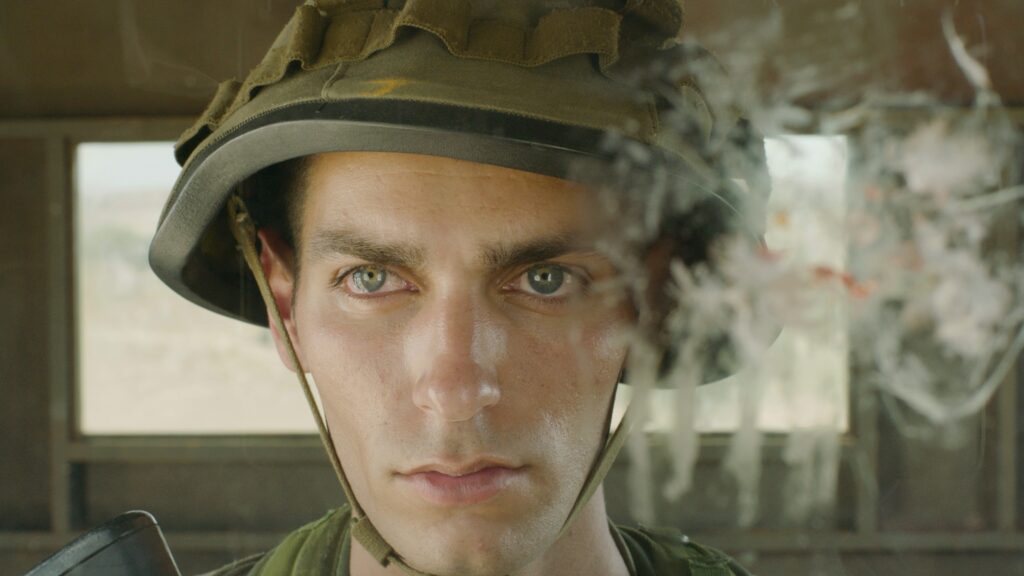
Past and present infuse each other with strange energy across films that capture people and places at the borders of transformation. As the sun sets on ancient ruins a shutter opens and closes, and a light in the distance reflects on the glass of a soldier’s lonely watchtower.
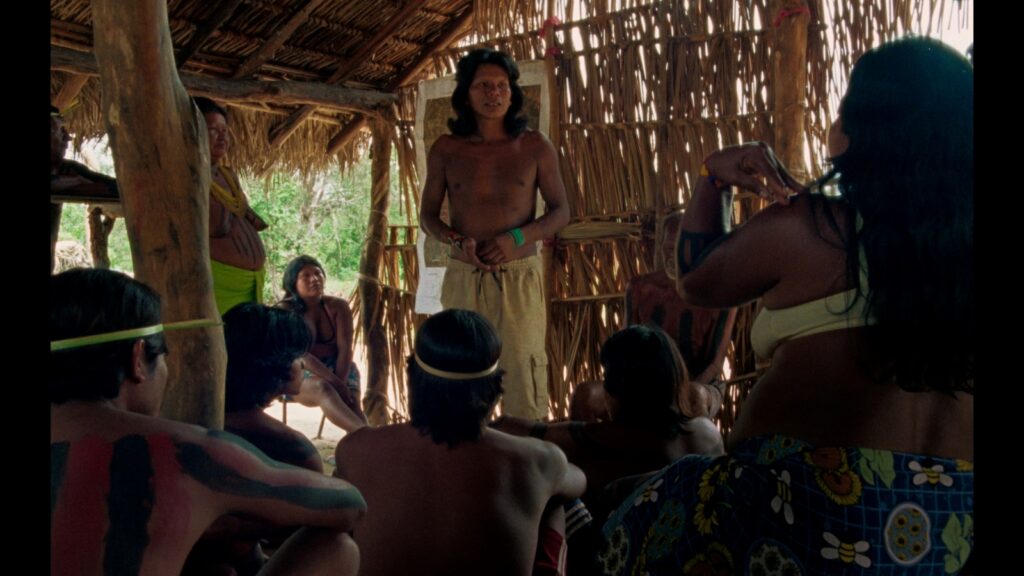
An intimate, multifaceted portrait of the Krahô people indigenous to northeastern Brazil. Made in close collaboration with the community, The Buriti Flower sketches the rhythms, dreams and ways of being connecting families working to protect their land from the cyclical violence of encroaching settlements. Blending observational documentary and staged scenes, it depicts the flow of life on a continuum of ever-replenishing strength and resistance.
Two films set in liminal spaces of exile. In the wake of dispossession, when dreams are deferred and memories bring pain, small acts of collective speaking generate new threads of resistance, liberation, and hope.
An open, drop-in conversation inviting responses to the Festival’s programme of films in relation to the complications of home – or hyem in Northumbrian dialect.
When even the most basic understanding of home as residence/shelter is not guaranteed, we open up this theme to an expansive conversation that asks: who has the right to a home? What underlies the commonplace idea of a home? Where does land figure in our perceptions of home?
An informal conversation for critics, writers, and anyone interested in the sustainability of arts writing and publishing in various contexts. We invite Lesley Guy, Kate Liston (Corridor8) and Lyn Hagan (The Journal of Discarded Daydreams) to an open conversation considering how we respond to/reflect on the arts, and how the contexts that stifle might exist in tension with the contexts that nourish. What are the material and conceptual frameworks for sustainable arts publishing – and are these applicable to other mediums, forms and contexts?
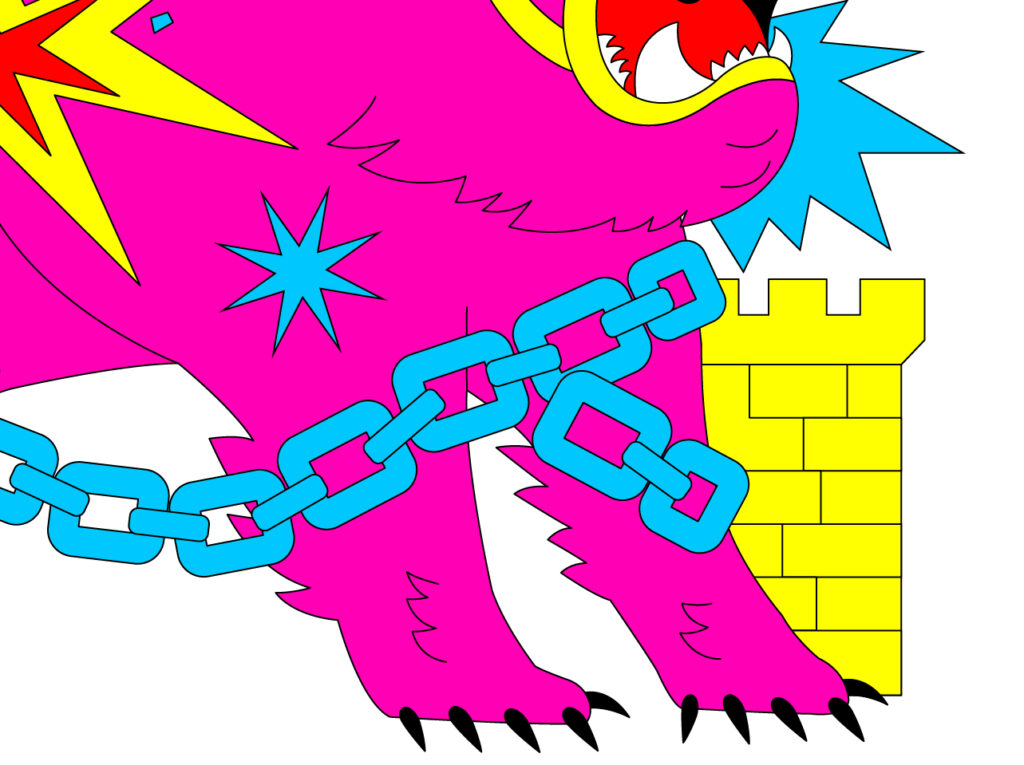
In The Burr’s window space, and inside we present Hanoi-based Lucia Pham’s fizzy animations. She designed Bari, the newly liberated pink Berwick Bear – proudly featured in all of our posters and designs this year!
We invite you to visit a showcase of animations created by students from six schools in Berwick & Tweedmouth with locally based artists Robin Webb and Chloe Smith!
Library: Yrs 3+ 4 at Holy Trinity First School, Yr 4 at Berwick St Mary’s & Norham St Ceolwulf’s Church of England First Schools, Yr 4 at Tweedmouth West First School,
Visitor Centre: Yr 4 Tweedmouth Prior Park First School and Yr 8 at Tweedmouth Middle School (made in Yr 7).