

Accessibility Settings

You can use these controls to adjust properties of the website’s presentation. Read more about the Festival’s Accessibility Guide

Programmes

21 September 2019

Films by Dani ReStack & Sheilah ReStack, Cooper Battersby & Emily Vey Duke, Adam Khalil, Zack Khalil & Jackson Polys, Anya Tsyrlina & Sid Iandovka and Heidrun Holzfeind

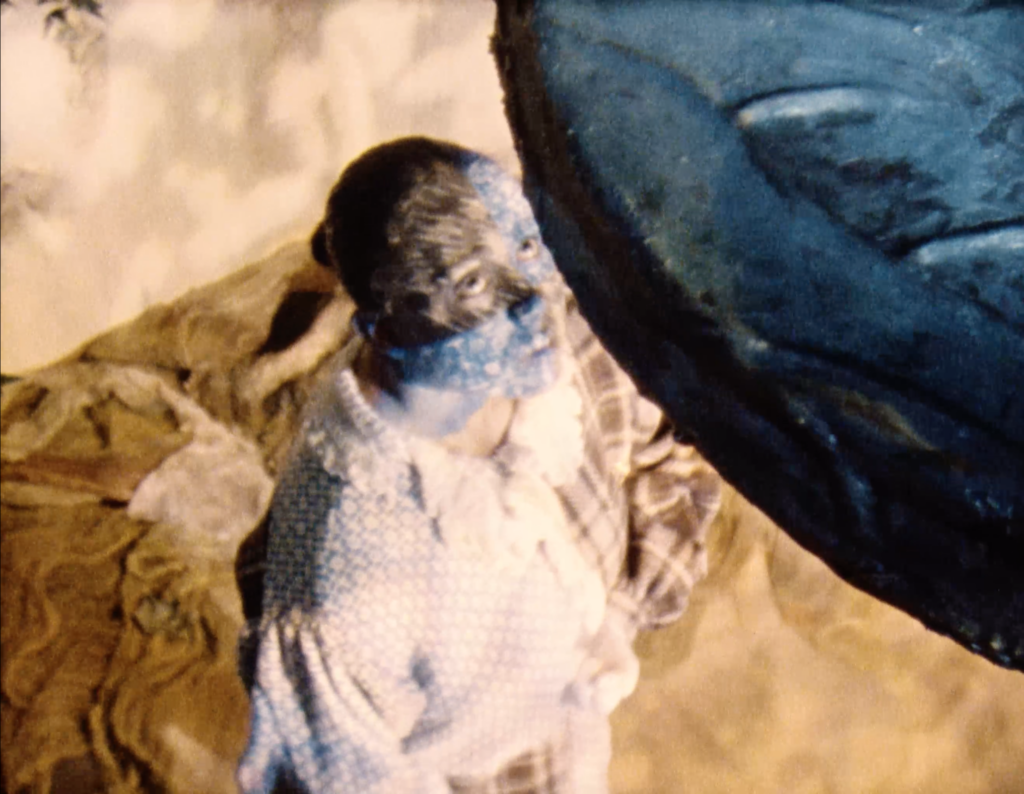
History is what’s happening. It’s constantly unfurling never static and always in flux. Rather than being resigned to it, it’s incumbent upon us to shape and mould it into the gooey, slimy substance that we want our world to resemble. The time is now, the place is everywhere, all at once…

Q&A with filmmakers Emily Vey Duke, Anya Tsyrlina & Sid Iandovka and Heidrun Holzfeind

20 September 2019

This shorts programme looks at filmmakers cinematically adapting folkloric legends from their own cultures. Busójáráskor is an ethnographic documentary on the Hungarian celebration of Busójárás, in which people dress as horned monsters with carved wooden masks. Nigerien filmmaker Moustapha Alassane’s The Ring of King Koda adapts a Zarma legend in which a king tests the loyalty of a fisherman. Nana Tchitchoua’s Impressions from Rustaveli melds the Georgian medieval poet’s writings with the cinematic language of Sergei Parajanov and Jack Smith.

21 September 2019

The Meadow Mari are a Finno-Urgic ethnic group living on the left bank of the Volga River in central Russia, sometimes called ‘the last authentic pagans in Europe’. Their religion—Mari Paganism—is based on the worship of the forces of nature, and mass prayers are held in sacred groves at specific times according to the positioning of the Moon and the Sun. Mari were persecuted during the Soviet Union, but their faith has been given official status by the Russian government since the 1990s. However, some native religion believers contend that there is still a trend to Russify Mari culture and religion.

19 September 2019

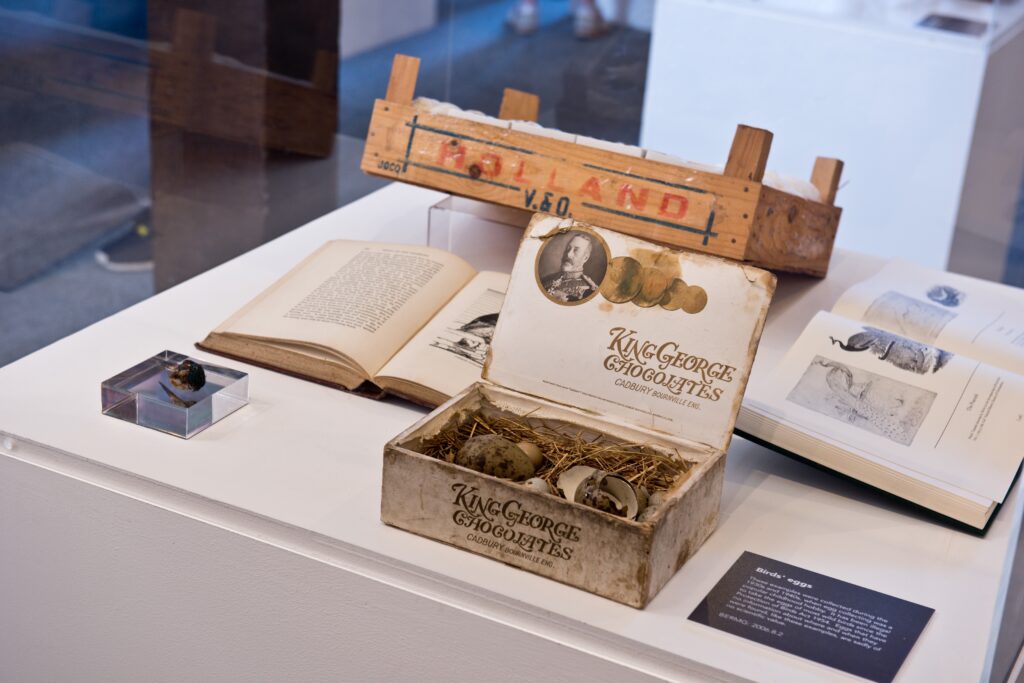
Aura Satz’s Preemptive Listening project focuses on sonic obedience and disobedience through the trope of the siren. The Fork in the Road comprises trumpet improvisor Mazen Kerbaj’s composition of a new siren sound using circular breathing, and actor/activist Khalid Abdalla speaking on the siren as the emblematic sound of resistance, oppression and lost futures during the Arab Spring. Shot on 16mm, the film is literally driven by its soundtrack, as the voice becomes a beacon, activating emergency rotating lights.

Director

Country

Run Time

8 mins

Year

2018
More Info
19 September 2019

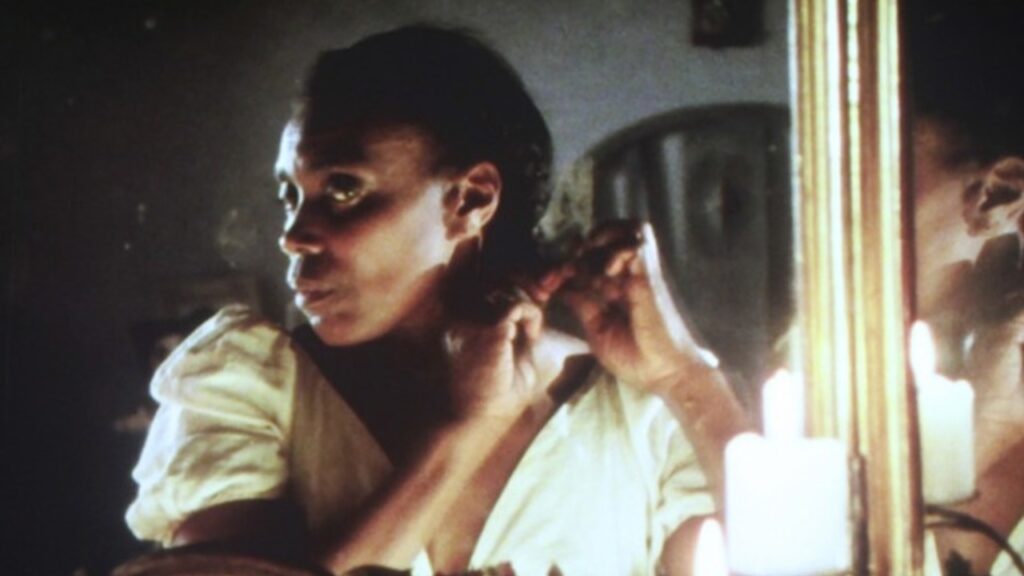
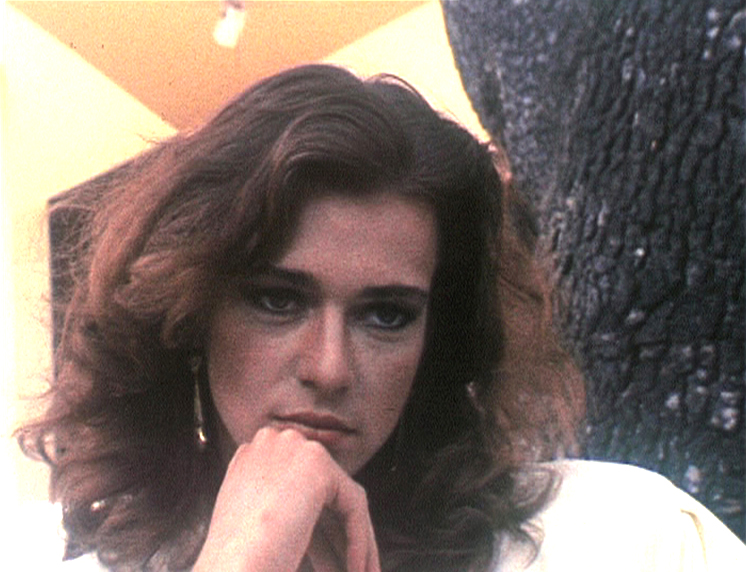
O’ Pierrot treads the stock, pantomime narra- tive of Pierrot the Clown, told this time from a lesbian, mixed-race, British perspective. The quest for British identity, so often played out in too-real grey-scale is here translated in glowing colour via 8mm stock.

Commissioned by The New Flesh as part of the 2019 residency programme, using public funding from Arts Council England

Director

Country

Run Time

13 mins

Year

2019
More Info
19 September 2019

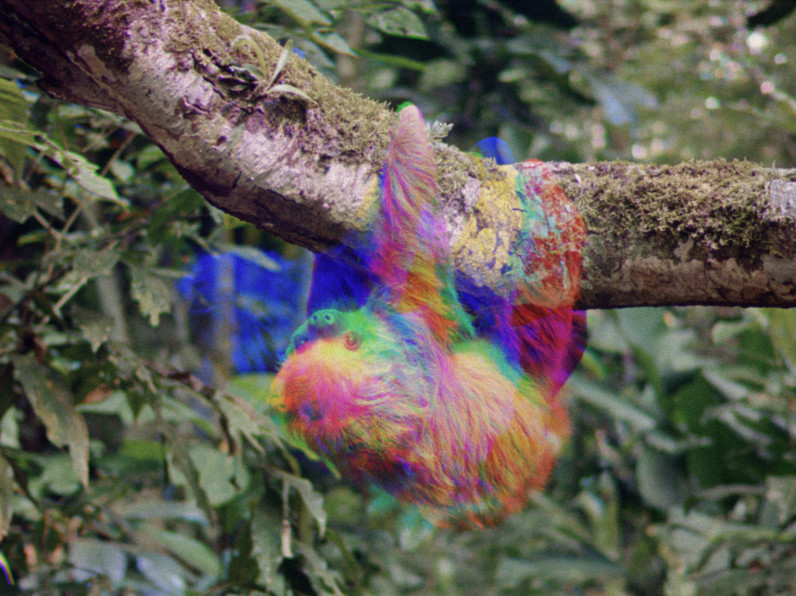
Ben Rivers’ magnificent film of a sloth doesn’t encourage lazy viewing. Rather, it’s an active, engaging and engrossing experience. Time becomes suspended as each breath, every movement becomes a theatrical drama unfolding before our eyes. Perhaps implicitly poking fun at the term ‘slow cinema’, Rivers instead gives us an exquisite example of ‘sloth cinema’.

Director

Country

Run Time

40 mins

Year

2018
More Info
23 September 2018

‘Lukas, in the middle of the film, the actress will pay a visit. You’ll fall in love with her. And you’ll understand your father. I’ll become your memory. I haven’t shown you the middle yet’. Thus begins John Torres’s latest dream of a documentary, a highly experimental, gloriously free-form coming-of-age story. Shortly after the arrival of a film crew that throws his tiny, usually quiet village into a frenzy of commotion, Lukas’s father, Mang Basilio, announces that he is a ‘tikbalang’, the half-horse, half-man of Filipino folklore. When Mang Basilio disappears, the awkward, baffled Lukas sets out on a journey of self-discovery that will include a ‘river of forgetting’, invisible voices and a hallucinatory blurring of reality and fantasy. Torres has already carved out an idiosyncratic niche for himself in the thriving world of documentary-fiction hybrids, and this is his most personal and expansive work to date. — Film Society of Lincoln Center

Q&A with filmmaker John Torres

21 September 2018

America has ‘liberated’ the Philippines and the islands have just been proclaimed a new republic.

Every morning, at the crack of dawn, Father and Mother stretch Julio, pulling his limbs in opposite directions. They make him drink a concoction made from the liver of codfish, believed to stimulate growth in children. He stands in the blazing heat of the sun.

The family swells in size to six children. Father hunts for food while Mother tends to domestic duties, leaving Julio and his siblings alone, exposed to their lush natural environs. Soon enough, the youngest two are taken away and distributed amongst the two aunts without offspring of their own.

Big Boy chronicles the growth of a family, the myths of progress that consume them and the violence not just in war and colonization, but also that which is inherent in coming into being—for a boy, a man and a nation.

Q&A with filmmaker Shireen Seno