Accessibility Settings

You can use these controls to adjust properties of the website’s presentation. Read more about the Festival’s Accessibility Guide

Programmes

22 September 2018

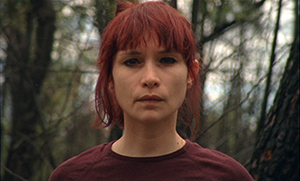
BFMAF presents the first UK screening in 40 years of this innovative New German Cinema highlight. The Dumpster Kid (Kristine de Loup), born from a trash can, finds her way through the world, discovering hilarity, ecstasy, cruelty, capitalism and patriarchy along the way. Always wearing a red dress, red tights and Louise Brooks-style black bob, The Dumpster Kid steals, has sex, joins a sideshow and meets Al Capone and d’Artagnan. She is always in danger, yet immortal.

This radical film was never meant to be shown in a cinema; instead, Reitz and Stöckl showed it in pubs. The audience members were encouraged to imbibe heartily and create their own sequence of the film’s 22 episodes. This special ‘pub cinema’ screening will be recreated for this event, an exceedingly rare cinematic treat that you won’t soon forget.

Supported by Goethe-Institut, London

Country

Run Time

208 mins

Year

1971
More Info
21 September 2018

Part political satire, eco-horror and road movie, TERROR NULLIUS is a counterculture film which offers an un-writing of Australian national mythology. Using existing film footage as raw material, the project works entirely within—and against—the official archive in order to achieve a queering and othering of Australian cinema. Envisaged as ‘A Political Revenge Fable In Three Acts’, TERROR NULLIUS is a world in which minorities and animals conspire, and not-so- nice white guys finish last. Where misogynistic remarks are met with the sharp beak of a bird or the jaws of a crocodile, and girl gangs rule the highways. Within this fable, Skippy the Bush Kangaroo schools his young pal Sonny on intersectional feminism, a house is haunted by the spectre of queer Australia, the mystery of Hanging Rock is resolved and a bicentennial celebration is ravaged by flesh-eating sheep.

TERROR NULLIUS lays bare a paradoxical vision of Australia as a nation where idyllic beaches host race-riots, governments poll love-rights and the perils of the natural environment are overshadowed only by the enduring horror of Australia’s myth of ‘terra nullius’. It’s a beautiful, bloody mix of the historical and the speculative, the grindhouse and the art house. Not a definitive counter-narrative but a meticulous ramshackle of connections that delivers an open invitation to a further cultural conversation.

22 September 2018

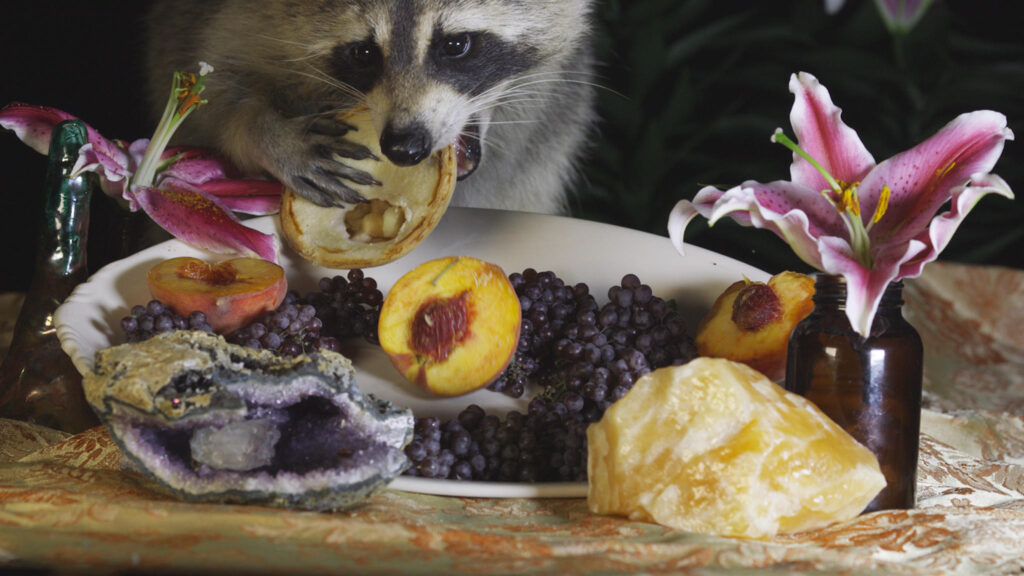
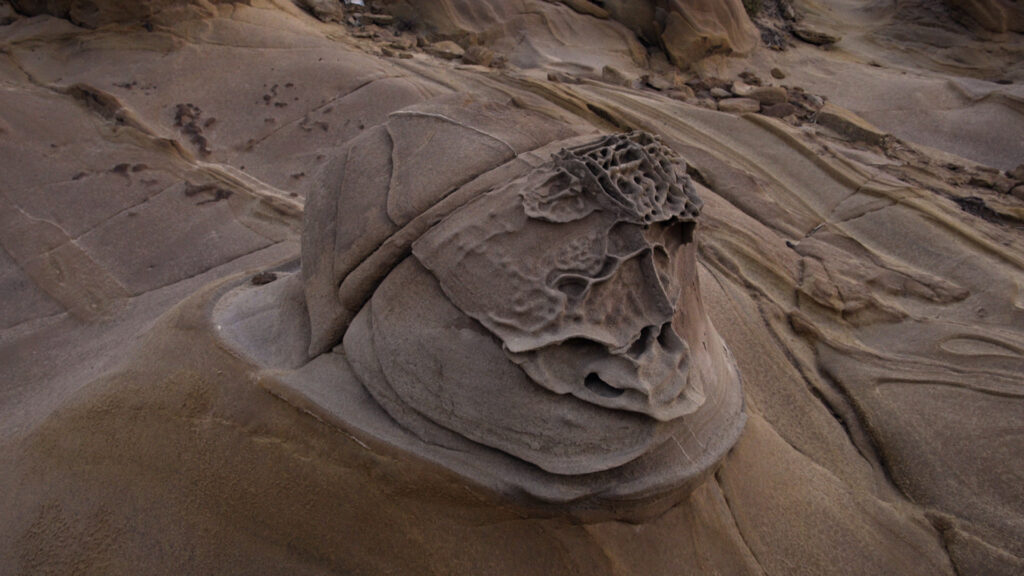
Artist-filmmaker Jessica Sarah Rinland presents the world premiere of her film Black Pond, a film that explores the activity within a common land in the south of England. Previously occupied by the 17th century agrarian socialists The Diggers, the land is currently inhabited by a Natural History Society whose occupations include bat and moth trapping, mycology, tree measuring and botanical walks.

After two years of filming on the land, the footage was shown to the members of the Society. Their memories and responses were recorded and subsequently used as part of the film’s narration. The film does not offer a comprehensive record of the history of humans within the area. Instead, it explores more intimately, human’s relationship with and within land and nature.

Following the film, Rinland will dissect and expose materials related to the film, detailing content from a forthcoming publication related to the film. She will stage moments from the Society’s yearly town hall meetings, discuss historical maps and laws, letters of complaint and footage she shot in the same location years before her encounter with them.

23 September 2018

Artist, writer and curator Morgan Quaintance presents his new film Another Decade, alongside a programme of material that extends and details themes within it.

Another Decade combines archive and found footage from the 1990s with recently shot 16mm film and standard definition video. Starting from testimonies and statements made by artists and art historians during the 1994 INIVA conference ‘Towards a New Internationalism’, Another Decade ranges across diverse cultural territory, and is propelled by a sense that very little socio- cultural or institutional change has taken place in the United Kingdom since that time.

The dynamic tension explored in the work is between, on the one hand, art world actors speaking a truth to institutional power and, on the other, lived realities of London’s multiracial citizenry. Those who necessarily inhabit a centre of otherness.

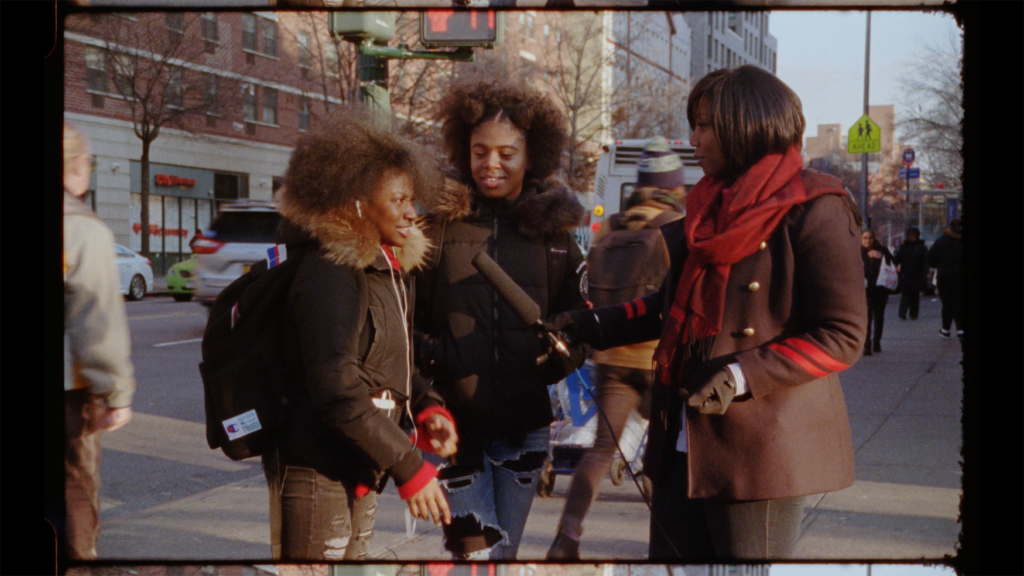
These are positions that are drawn out in the selection of films that make up the accompanying programme. A suite of new works made by Quaintance—including a rumination on British Empire and the English countryside set to the words of Jimmie Durham, as well as a work examining the artist’s experiences growing up in South London—will be accompanied by several clips from a video pen pal exchange project facilitated by artist Russell Newell in 1994–95. Exchanged between kids in London and Los Angeles, the videos show participants talking about their neighbourhoods, giving tours of their schools, and discussings aspects of their culture like music, fashion and gangs.

While recent attention paid to the ’90s casts a largely apolitical view over the decade, this range of films seek to exhume evidence buried in the shallow grave of cultural amnesia of another, more political, more iconoclastic and more confrontational decade.

21 September 2018

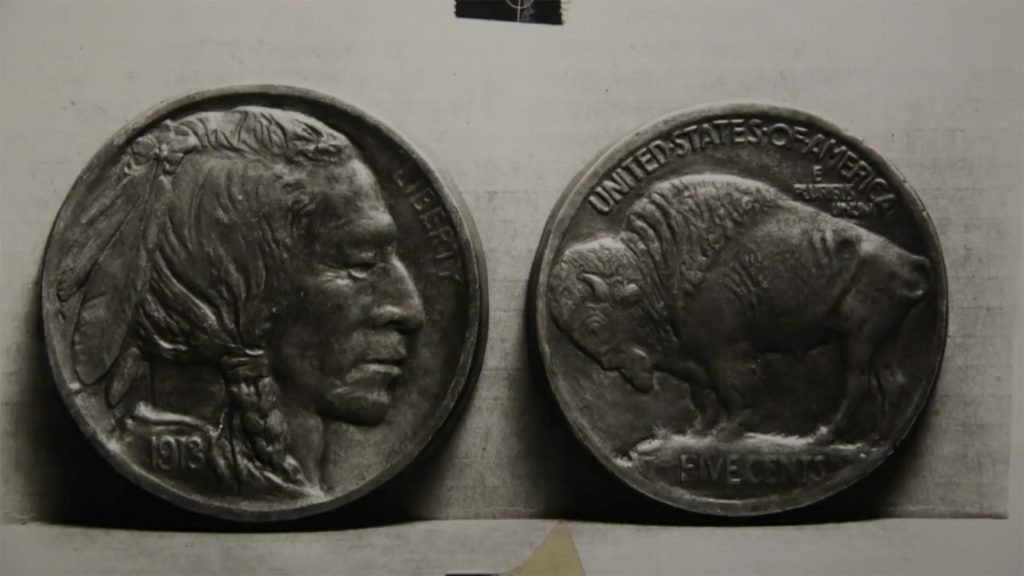
Filmmaker Sky Hopinka presents a screening of his short films in conversation with Nicole Yip, Director of LUX Scotland. Based in Milwaukee, Sky Hopinka (Ho-Chunk/Pechanga) focuses on the interconnections between his indigenous homeland, language, landscapes, and identity. Anchored by both surreal perspectives and grounded realities, Hopinka’s sublime films create maps of dreams and memories, pushing against cultural and personal boundaries, creating meaning where none had existed before.

Hopinka will read from his debut publication Around the Edge of Encircling Lake (2018) and the screening will include:

Kunįkága Remembers Red Banks, Kunįkága Remembers the Welcome Song, 2014, US, 9 mins

Jáaji Approx, 2015, US, 15 mins

I’ll Remember You as You Were, Not as What You’ll Become, 2016, US, 12 mins

Dislocation Blues, 2017, US, 17 mins

Fainting Spells, 2018, US, 12 mins

Special thanks to Ruth Hodgins, Walker Art Center

23 September 2018

Translation, transformation and transition: the final 2018 Berwick New Cinema competition programme focuses on shifting perspectives, the tension between the real and the virtual, and the relationship between mental and physical landscapes.

Q&A with filmmakers Tako Taal & Callum Hill.

21 September 2018

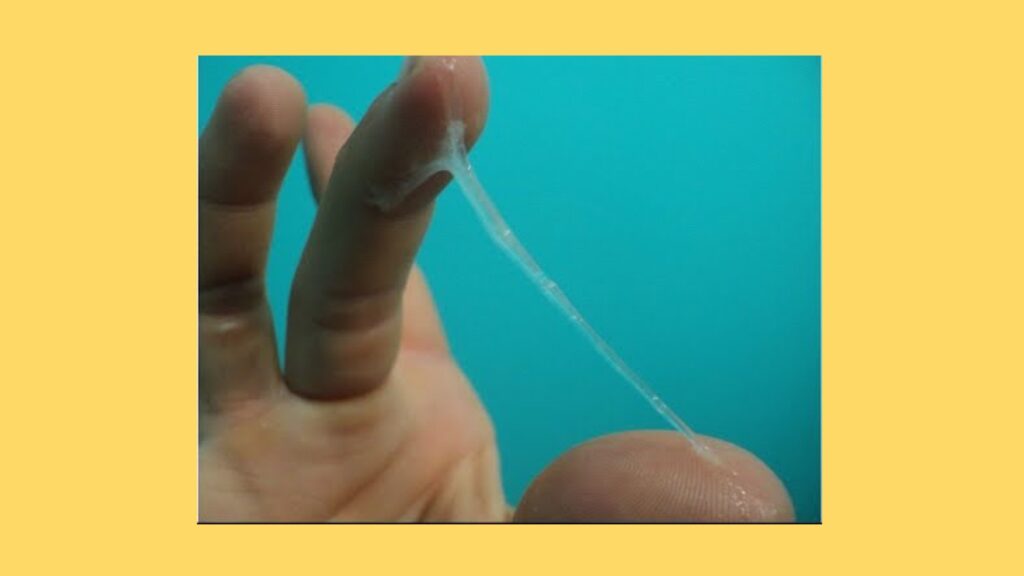
I wouldn’t want to belong to any club that would have me as a member. That includes Chauvin-ists; children who disturb corpses; frightened men living in a matriarchal society; or a film crew consisting of a slime robot, talking mandrill and lesbian couple whose relationship crumbles under the glow of bisexual lighting.

Q&A with filmmakers Hardeep Pandhal & Benjamin Crotty

22 September 2018

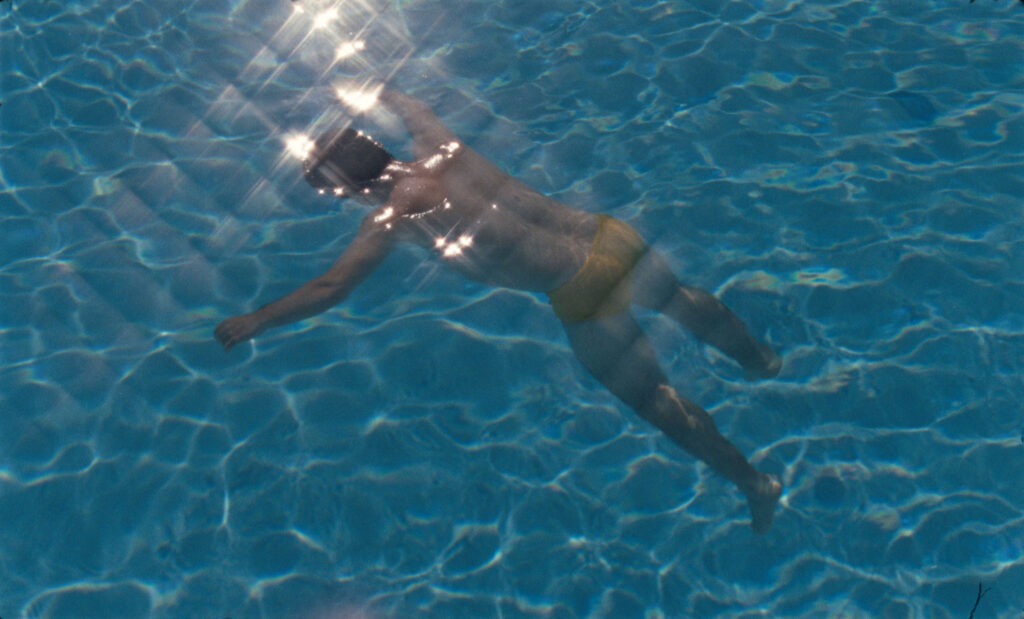
Glittering and shimmering moments: the tender touch of your child; the lumbering gait of a dancer dressed in an improbable costume; the luxury of a well-earned day off work. These glances, snapshots and memories are bound together in films alternating between the mundane and fantastic.

Q&A with filmmaker Beatrice Gibson

20 September 2018

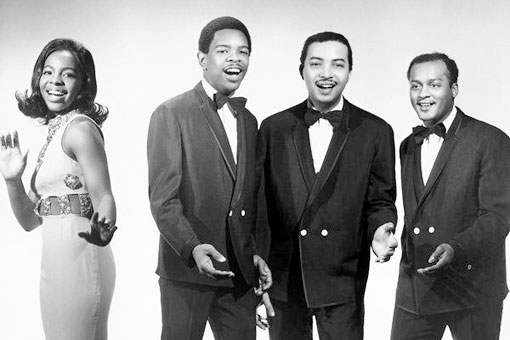
Shine bright. Portraits of a nomadic musician and an animatedly-perverse single father butt up against a simulacrum of the Middle East and a tactile inquiry into the natural world. Taken together, expressions of personal, political, spiritual, mystical and sexual agency provide powerful statements of either resistance to or complicity in an increasingly commodified world.