



Naeem Mohaiemen
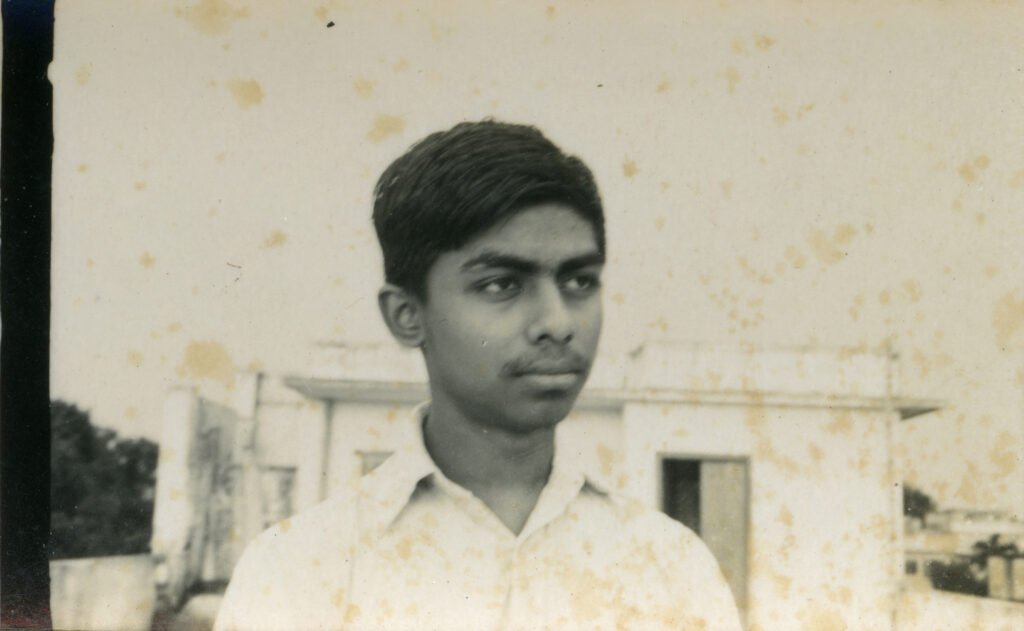
Naeem Mohaiemen’s research-led practice encompasses films, installations, and essays about transnational left politics in the period after the Second World War. He investigates the legacies of decolonisation and the erasing and rewriting of memories of political utopias. Mohaiemen combines autobiography and family history to explore how national borders and passports shape the lives of people in turbulent societies. His work focuses on film archives and the way their contents can be lost, fabricated and reanimated. The hope for an as-yet unborn international left, instead of alliances of race and religion, forms his work.
Solo exhibitions include: Solidarity Must be Defended, Mahmoud Darwish Museum, Ramallah (2017); There is no Last Man, MoMA PS1, New York (2017); Prisoners of Shothik Itihash, Kunsthalle Basel (2014); The Young Man Was, Experimenter, Kolkata (2011); Live True Life or Die Trying, Cue Art Foundation, New York (2009); and My Mobile Weighs a Ton, Gallery Chitrak, Dhaka (2008). Group shows include: Lahore Biennial (2018); Active Forms, Sharjah (2018); documenta 14 (2017); LUX/ICO Artists’ Cinema, UK (2016); 56th Venice Biennale (2015); Kochi-Muziris Biennale (2014); Dhaka Art Summit (2014); Kiran Nadar, Delhi (2013); British Museum (2013); Sharjah Biennial 10 (2011); Lines of Control, Karachi/ Dubai/ Bradford (2009); Chobi Mela V, Dhaka (2009); Home Works 3, Beirut (2005); and Queens Museum of Art, New York (2005). The work is represented by LUX (UK) and Experimenter (India).
[Source] tate.org.uk
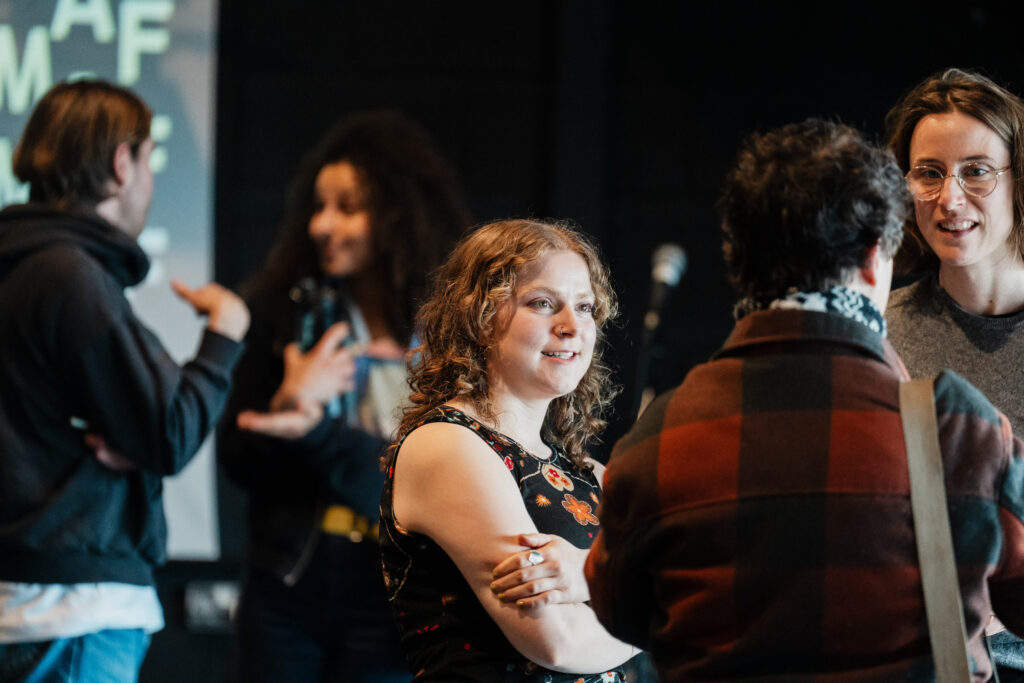
A chance to drop-in, meet up and softly extend the themes of the project: community care, self care and palliative care as three pillars of care drawn by lgbtqia+ support groups and alternative healthcare. Pastries and tea included!

An event series, resource and film library inspired by the use of caravans as a therapeutic retreat. Join us throughout the festival as three artists from Scotland, the Netherlands and Canada hosted by BFMAF explore resilient LGBTQIA+ community led care.
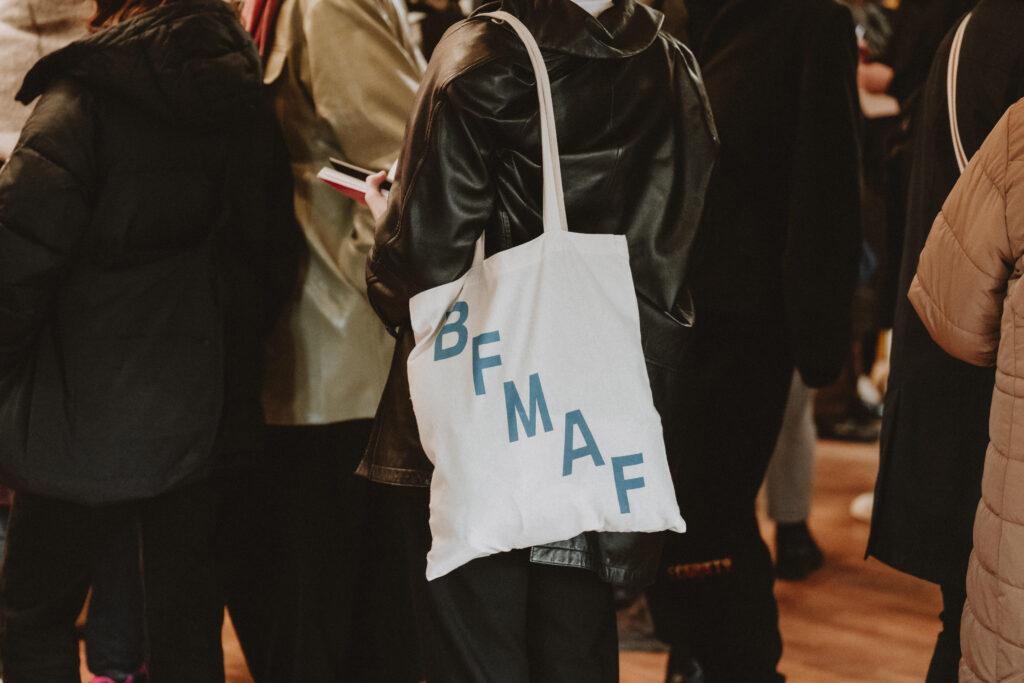
Your festival pit stop! Drop in for information about the town and the Festival – or simply warm up, catch up with friends, and take a breather between screenings. Our doors are open 10am–4pm throughout the Festival.
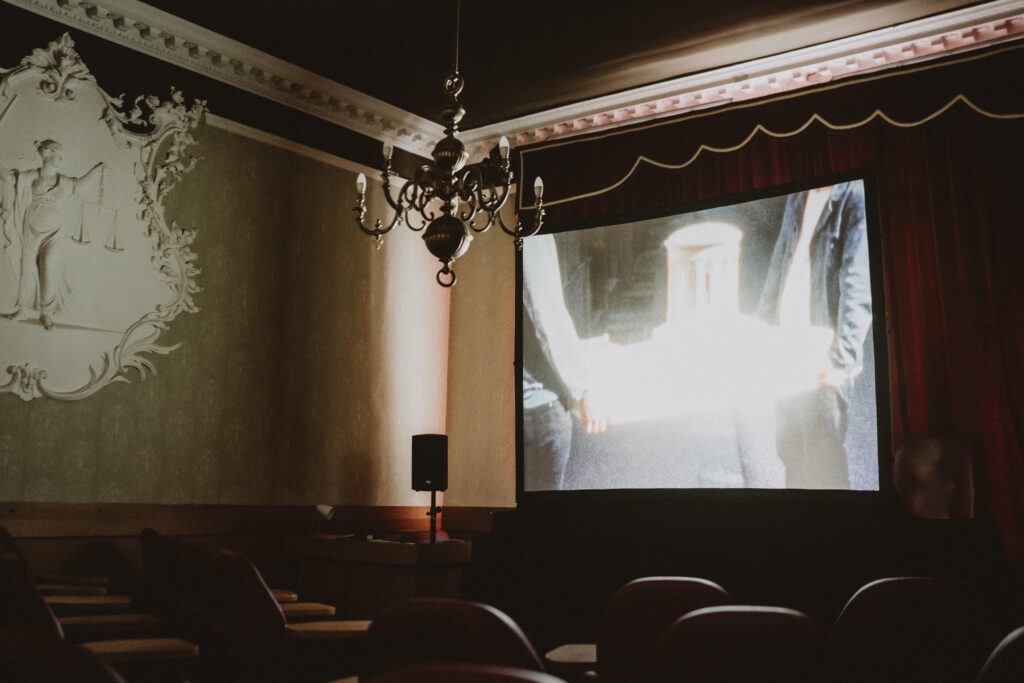
Relaxed Screenings are taking place at the Town Hall Council Chamber, our Relaxed Screen. Films are shown at the same time as screenings at the Maltings’ Cinema at the Barracks.
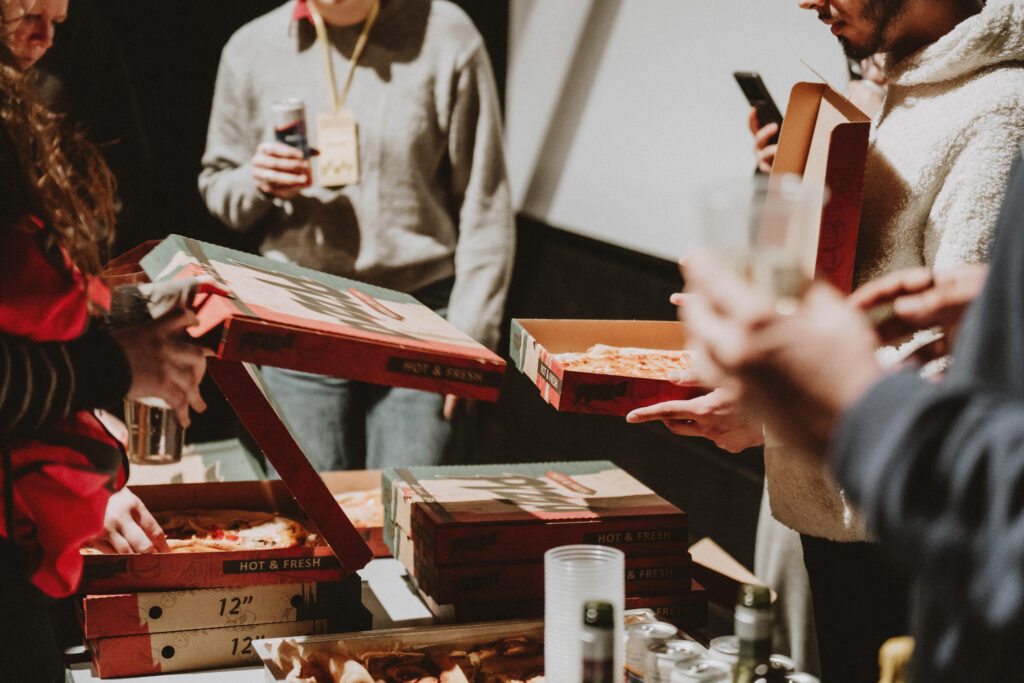
Join us for conversation, connection and a little collective exhale as we press pause on the screenings and gather around the table. Good films nourish the mind. But, good food and good company take care of everything else!
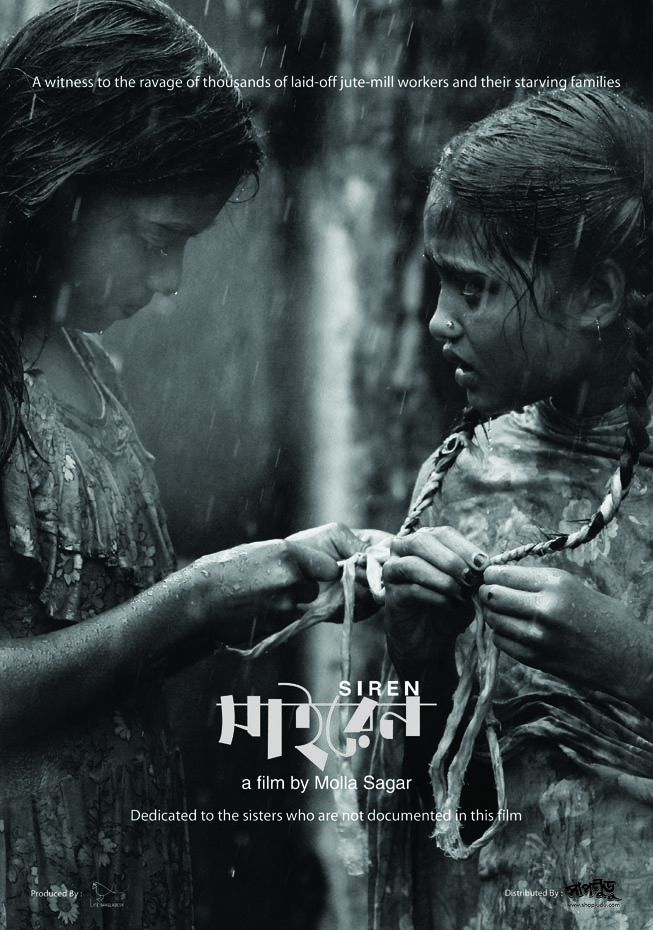
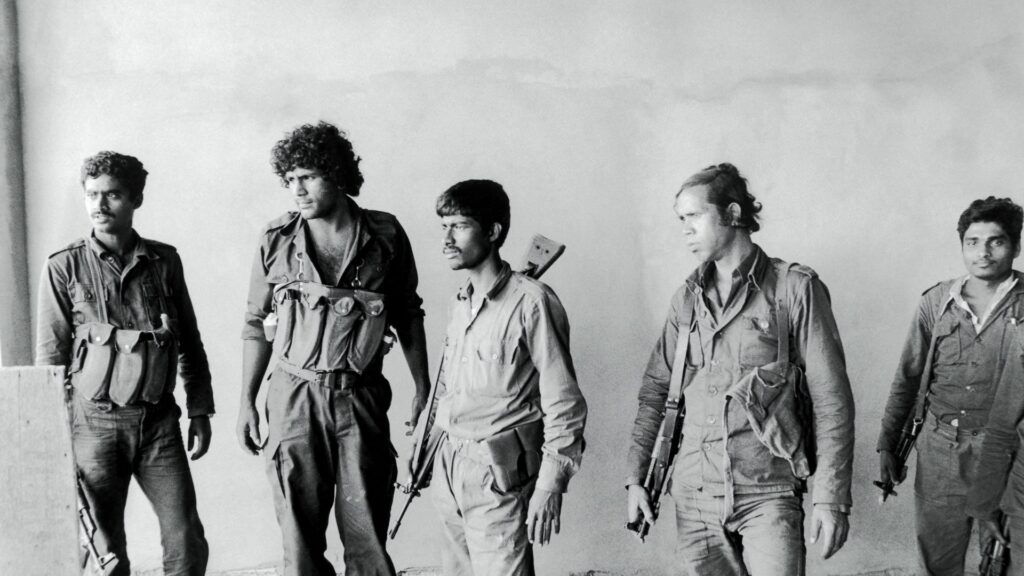
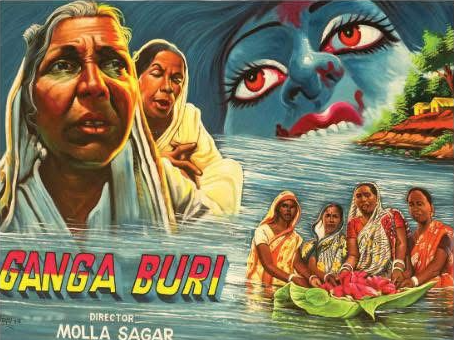
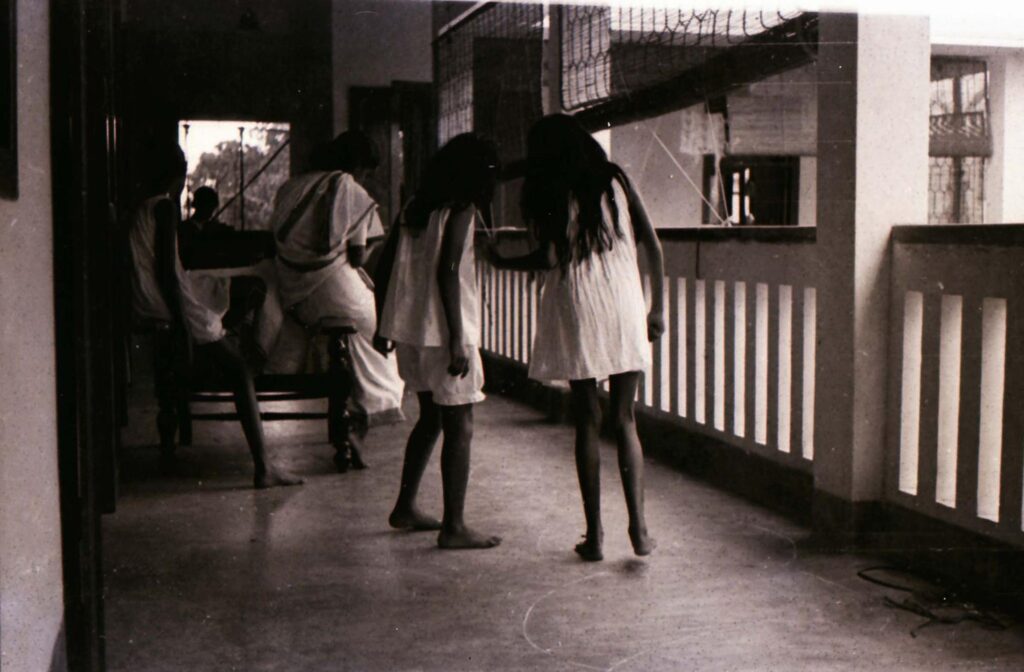
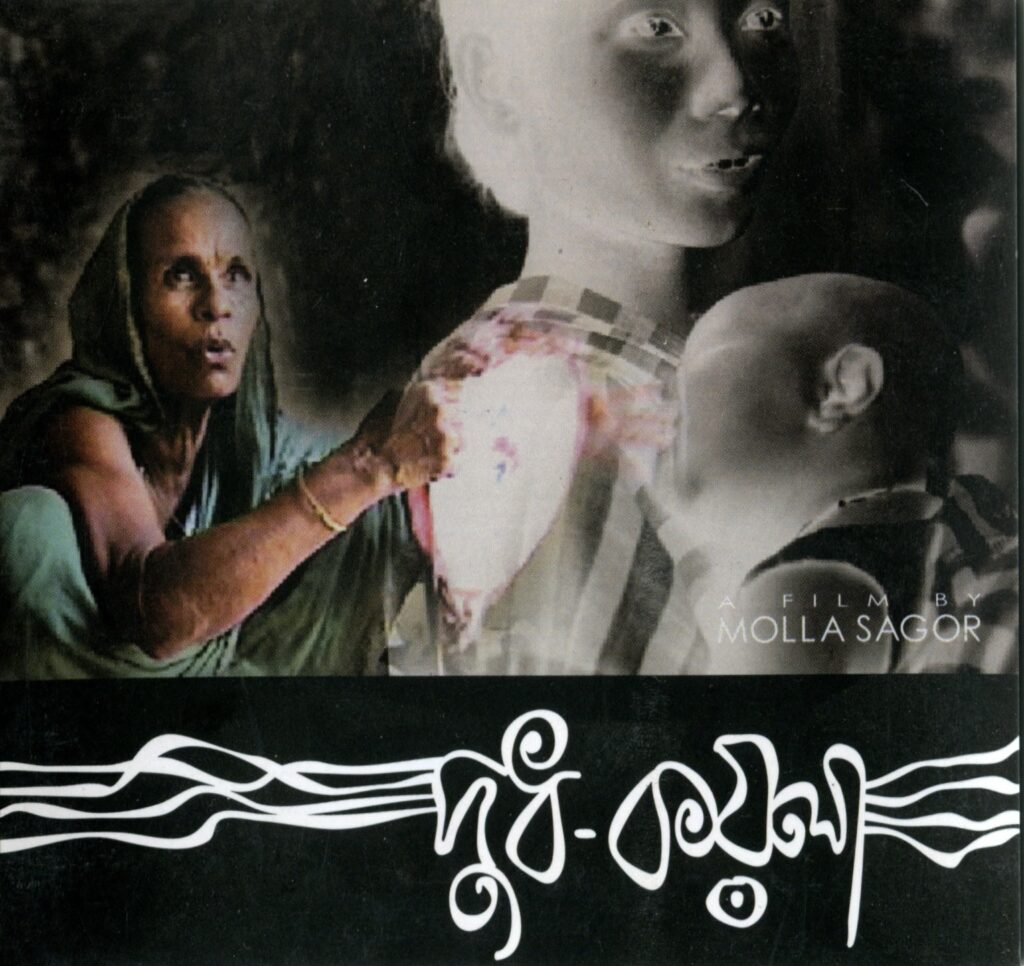
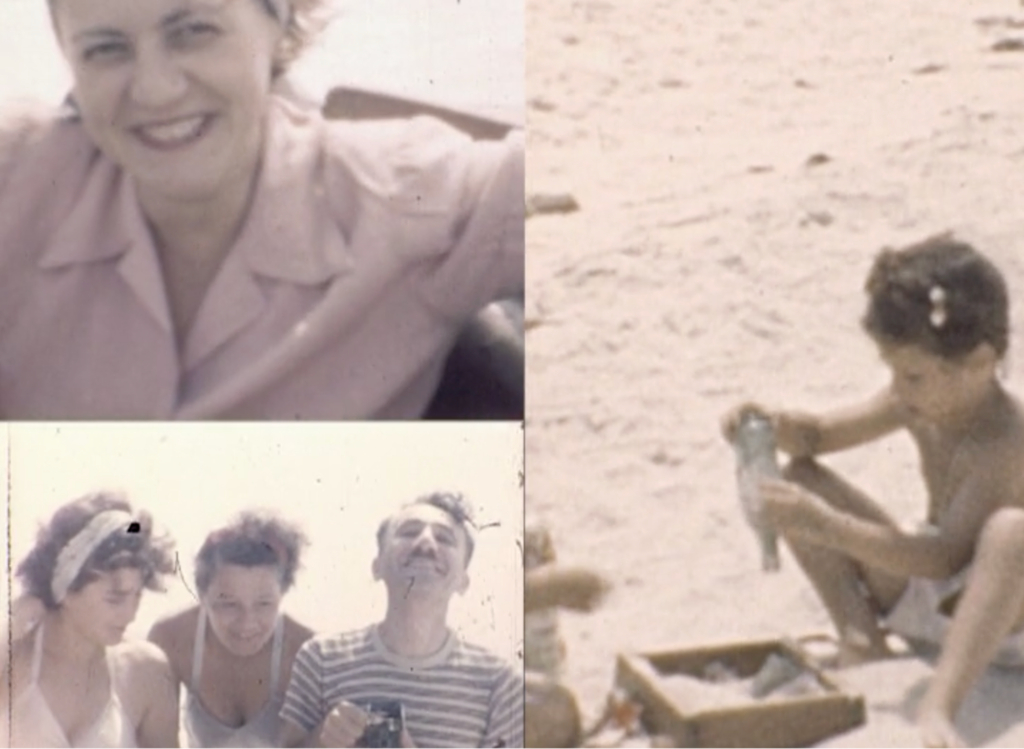
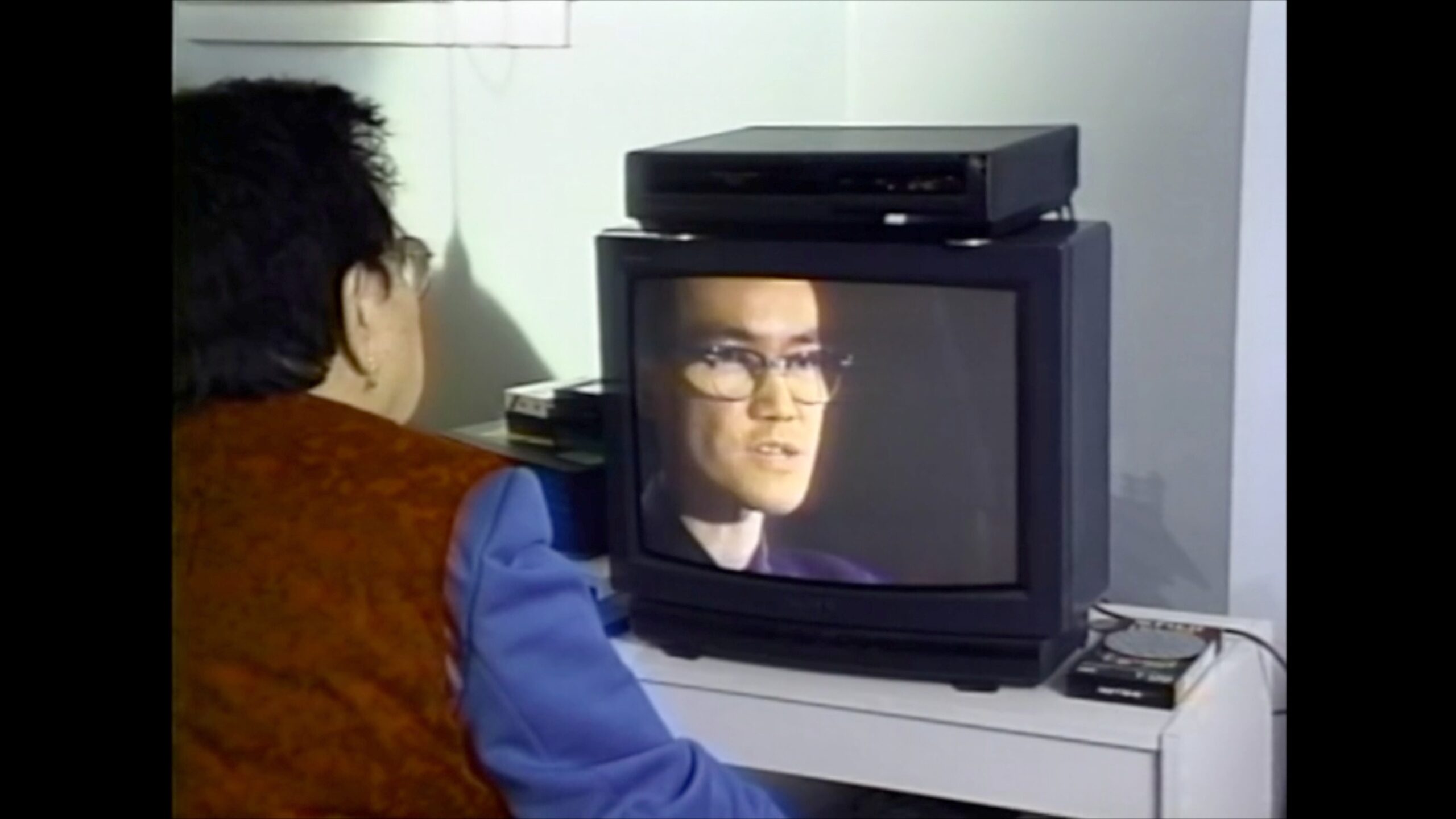
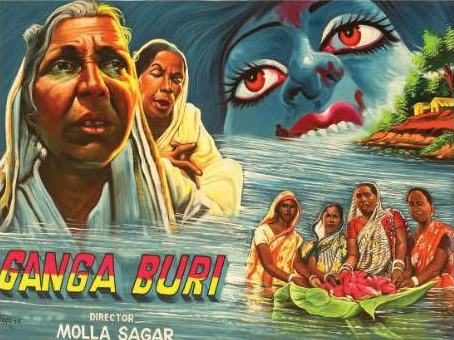
Intimate portraits of everyday life and struggle in Bangladesh speak together with playful, inter-textual vignettes exploring the confluence of autobiography and radical history. Together, Naeem Mohaiemen and Molla Sagar‘s films trace how personal memory and political upheaval collide, overlap, and refract across generations.
Run Time
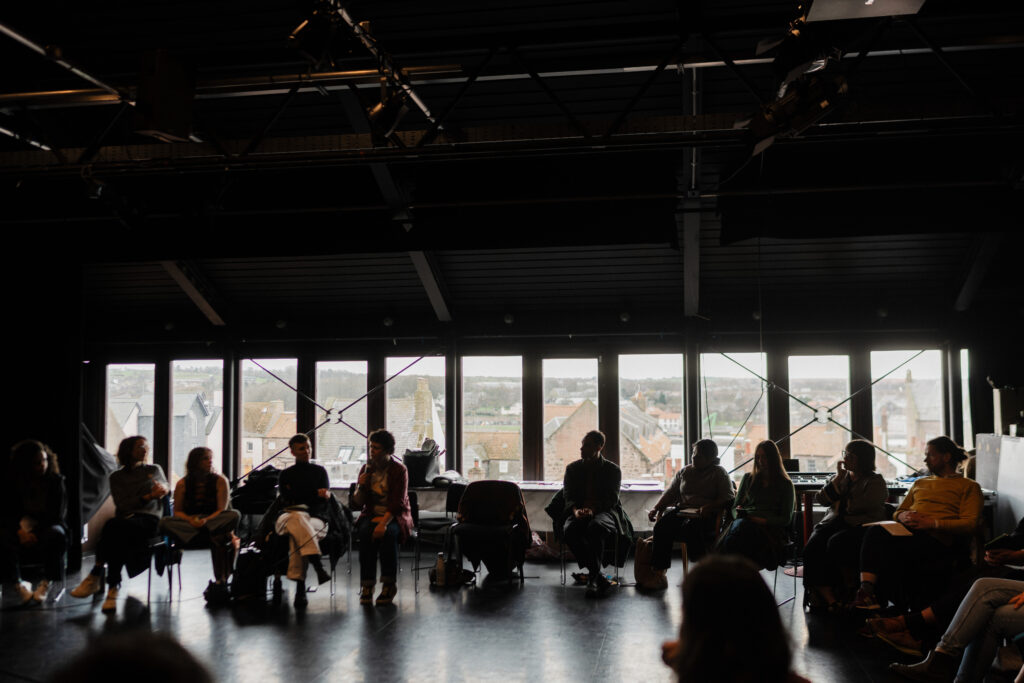
Educator and social theorist Tom Campbell joins us for a dynamic conversation on how disability is produced and reshaped by the transformations of modern society. Drawing on his forthcoming book Disablement in the Age of Ambivalence, Campbell mobilises Zygmunt Bauman’s concepts of solid and liquid modernity to unpack the shifting forms of power, exclusion, and moral indifference that structure disabled lives today.
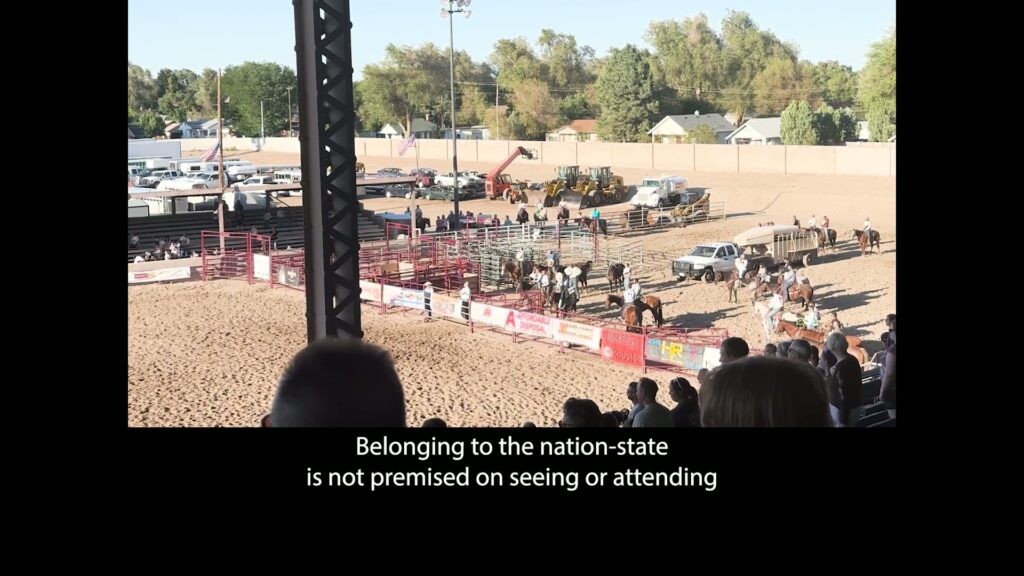
From right-wing propaganda machines to the hidden labour behind “inclusive” audiences, two films by artist Jordan Lord trouble the tangled relationships between disability, labour, and national identity – asking who gets seen, heard, and valued in the American public sphere.
Run Time
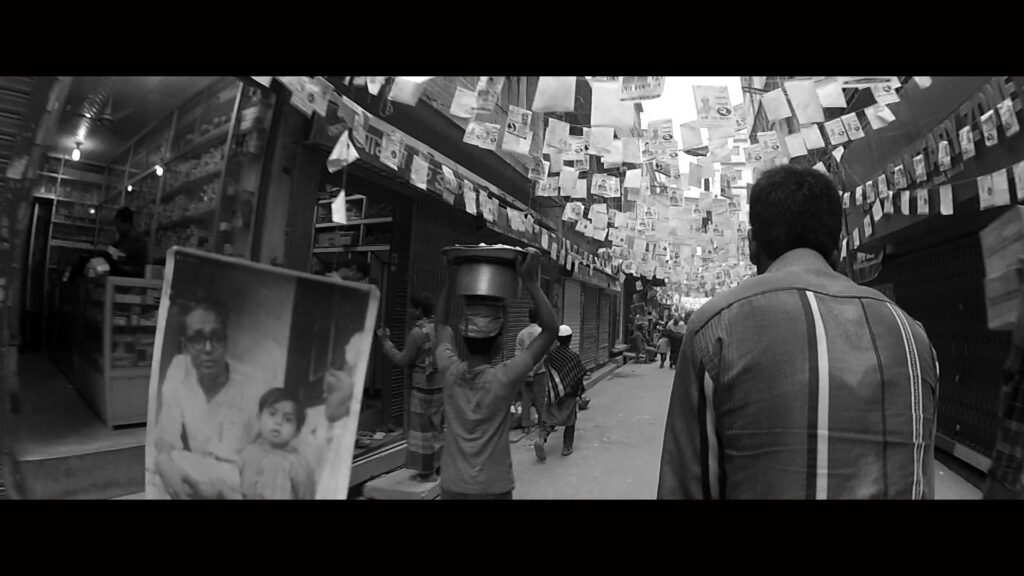
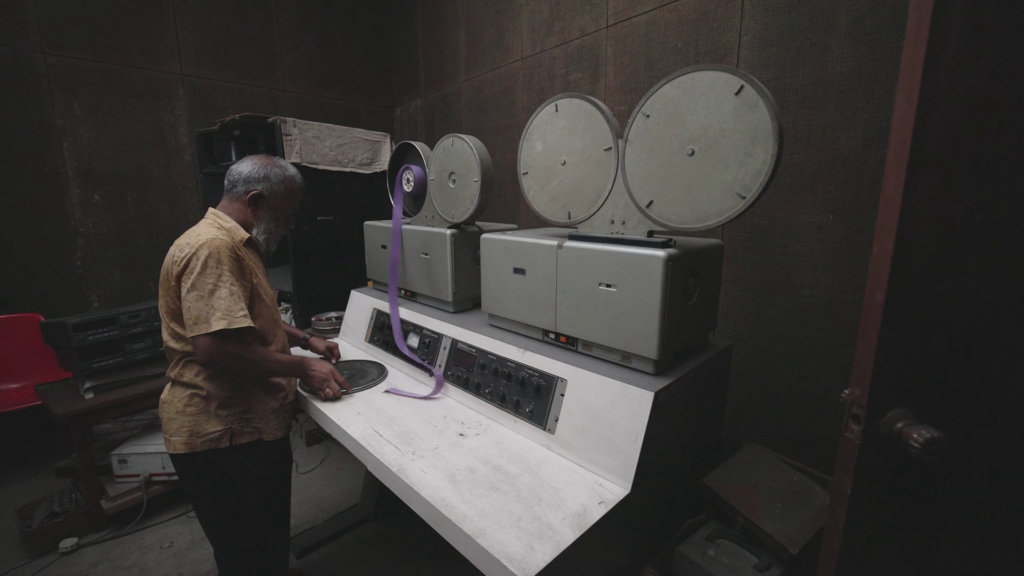
Spanning Partition to contemporary Bangladesh, this programme journeys through fractured homes and unfinished films to ask how history lingers in bodies, cities, and celluloid. Between memory and the archives, the works trace disappearance, displacement, and the stubborn afterlives of images in the face of erasure.
Run Time
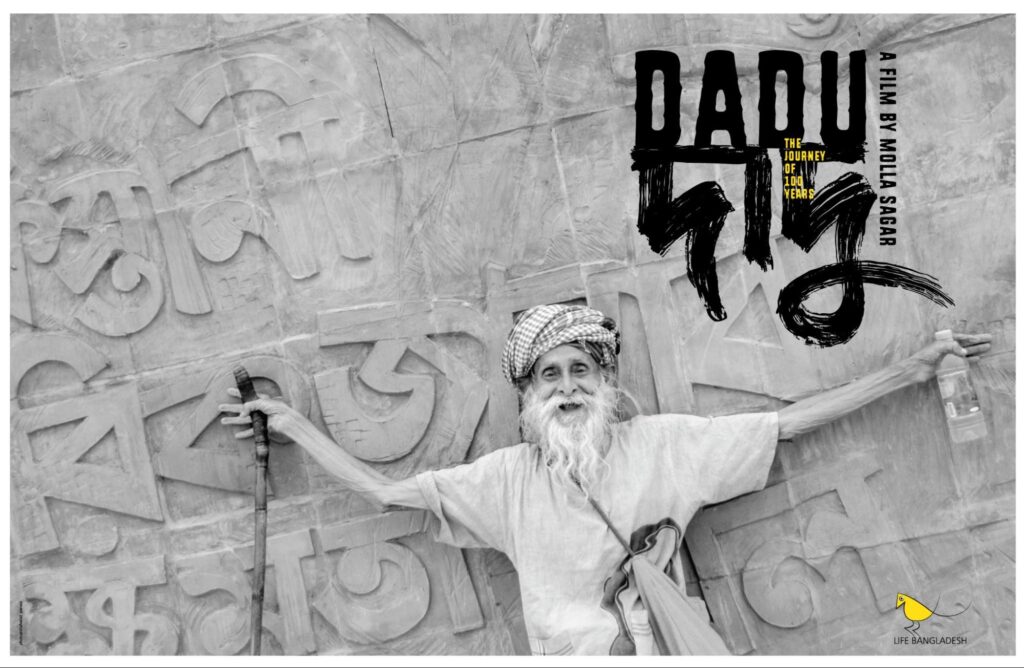
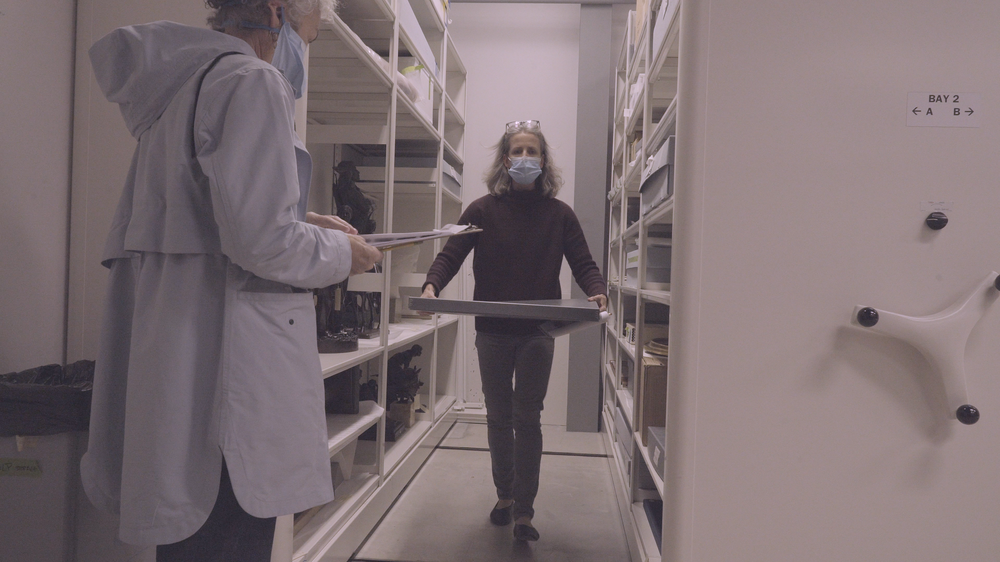
The quiet radiance of everyday acts emerges between a beautiful portrait of a Bangladeshi centenarian and a tender chronicle of a woman choosing a dignified death. This Focus programme touches on themes of ageing, autonomy, and what it means to inhabit—and ultimately release—the body.