

Programmes
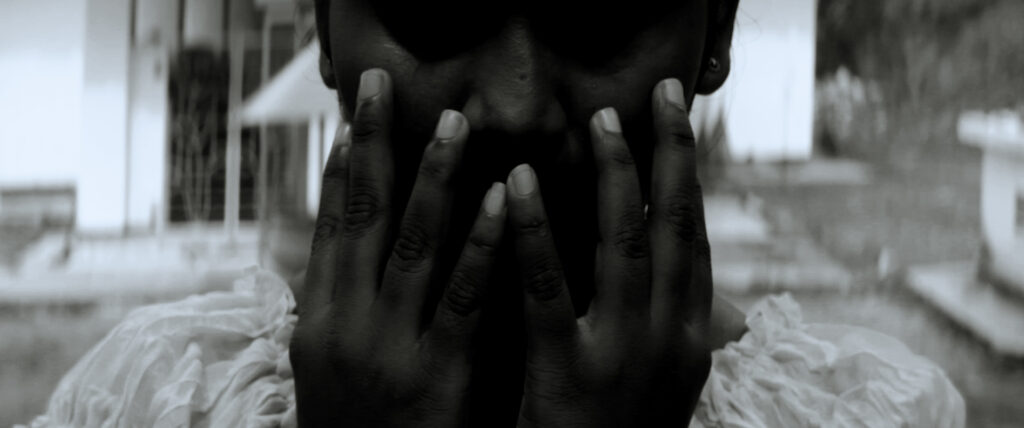
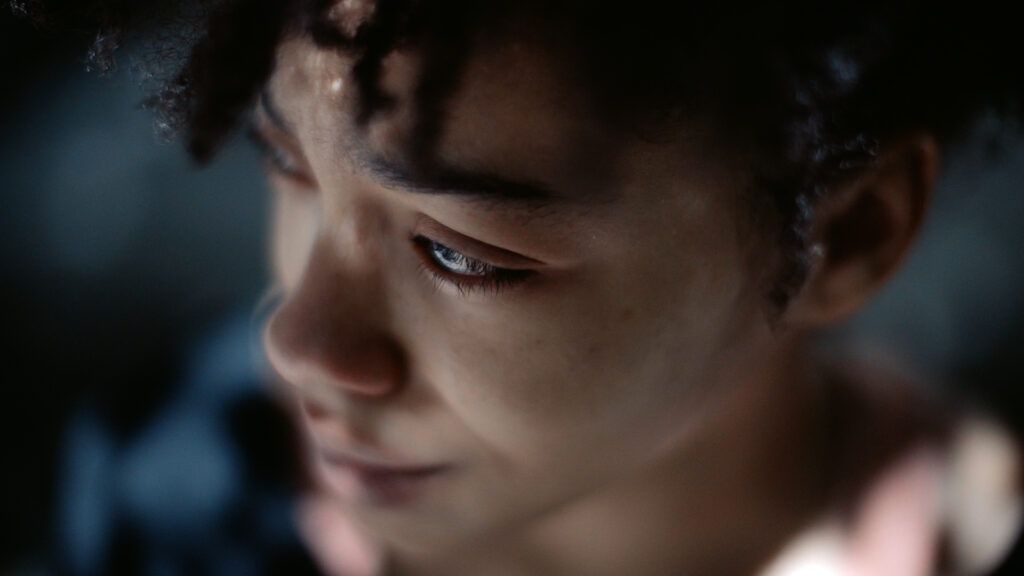
Two people mourn an unsaid tragedy in this silent and improvised play in cinematic narrativity and melodrama, telling an elegiac tale in portraiture. In looking at narrative cinematic storytelling, this piece also examines the devices of power and control embedded into that form and tradition.

A paean to Kenneth Anger, this film is depicts a short procession of colourful material and a mysterious woman lit by the sun.
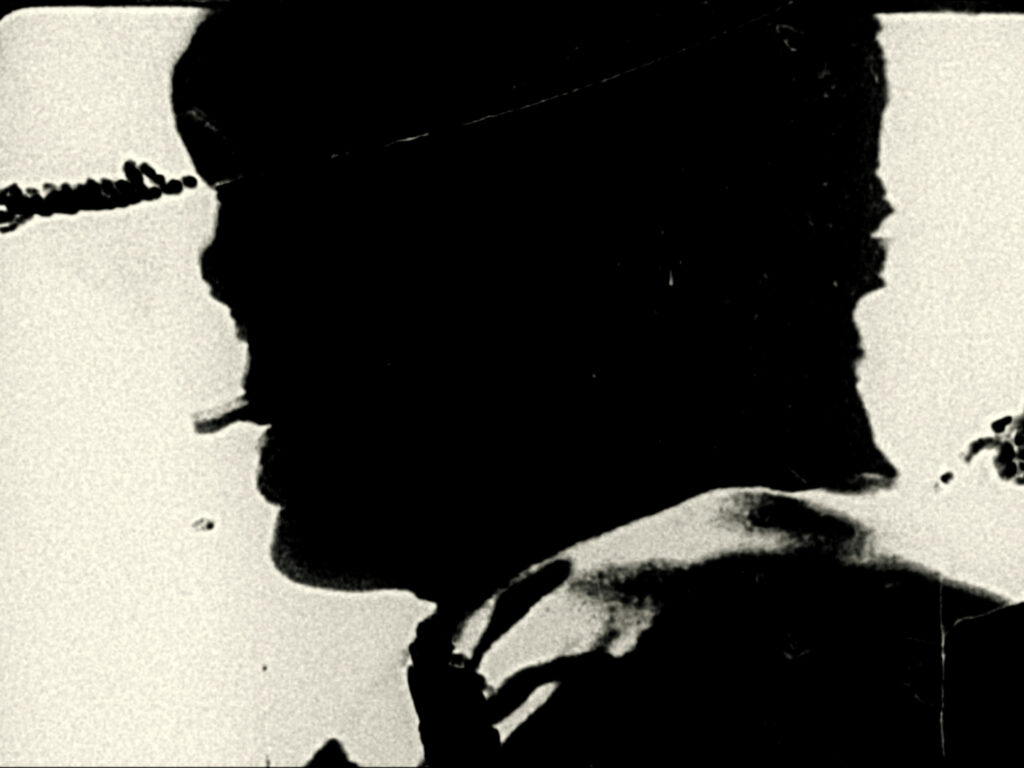
A reaction to the groundbreaking text by Swiss anthropologist Paul Wirz entitled “Exorcism and the Art of Healing in Ceylon,” this silent and hand processed film considers a history of colonialism and ethnographic practices in South Asia. At his mother’s village, Samarasinghe restaged an exorcism once performed on her in the early 1960s when she was a little girl. Possessed by the lecherous entity known as the Kalu Kumara, the Sanni Yakuma healing ritual was performed over a 12-hour period.

A performance film consisting of a string of five slow motion portraits of a young woman—recalling the stillness of photographs. Each portrait varies in length and gesture as her myriad expressions invite our gaze.
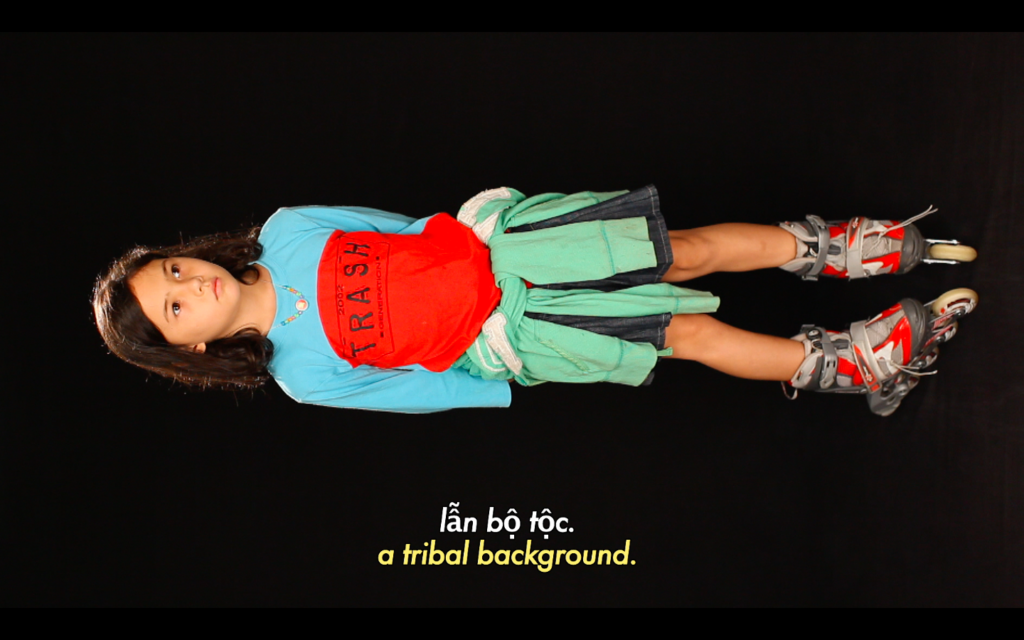
Fifth Cinema begins with a quiet statement “I am a filmmaker, as you know.” That text and what follows, by Maori filmmaker Barry Barclay, who coined the term ‘Fourth Cinema’ to distinguish Indigenous cinema from the established ‘First, Second, and Third Cinema’ framework, provides structure to Nguyễn’s hybrid essay film that moves on multiple cinematic and topical terrains. Eschewing voice in favour of the written word and juxtaposing moving images of the filmmaker’s own daughter with archival images of Vietnamese women seen through the lens of the “ship’s officers”, the film slowly leads the viewer through a narrative of colonialism, indigeneity and cinematic limitations in representation. —Nguyễn Trinh Thi
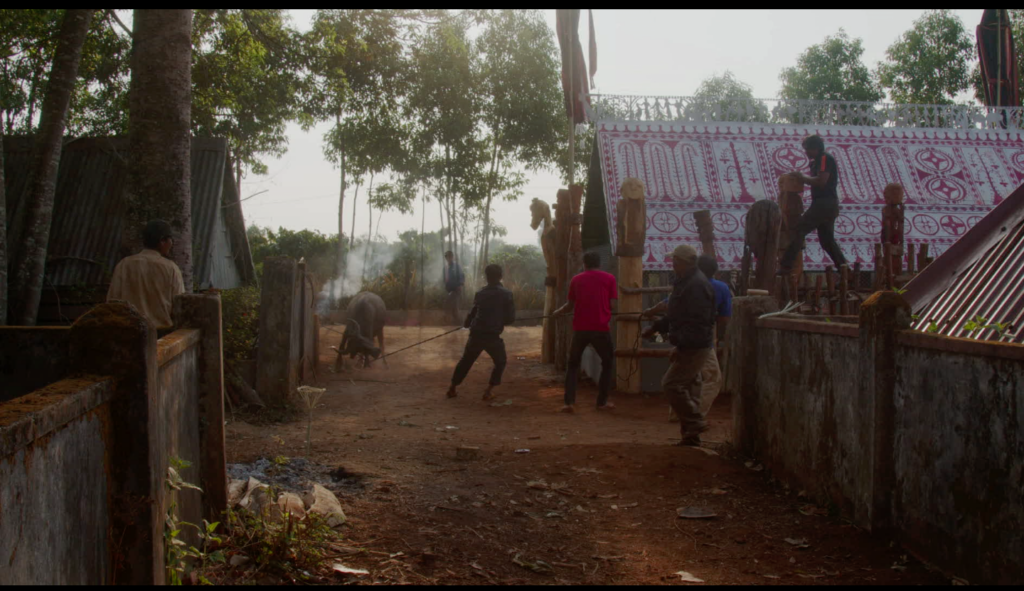
Resisting the westernised reliance on images for creating narratives, telling stories and experiencing the world, How to Improve the World turns to music and sound as a way of perceiving through listening. Originally a 3-channel installation, this aurally centred work reflects on the past, present and future of indigenous cultures of the people in Vietnam’s Central Highlands.
10 September 2021
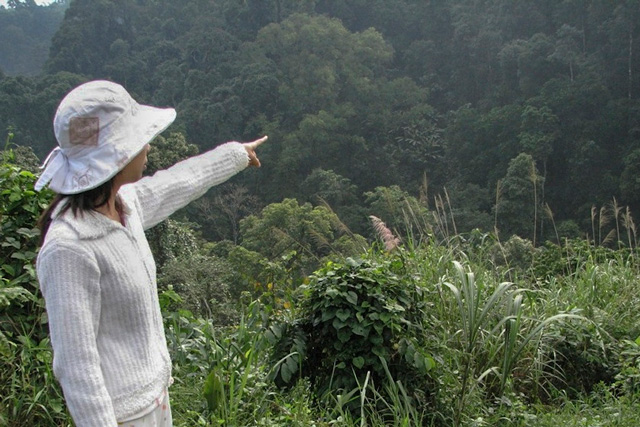
Nguyễn Trinh Thi is one of Vietnam’s leading contemporary artists. Her moving image work engages with the ways in which memory, history and representation are part of broader structures of power, the legacies of colonialism and war, and the erasure of indigenous Vietnamese cultures.
Nguyễn Trinh Thi’s Focus Programmes are supported by CREAM, University of Westminster and Centre for Screen Cultures at the University of St Andrew
Run Time
77 mins
As the journey starts, wide empty landscapes make one wonder what one is looking for. A mysterious object? A crime scene? Something horrifying? The scenes are getting more and more specific, but they do not lead to any concrete solution—only an injury in place of a metaphor. —Nguyễn Trinh Thi

An essay film in the form of a letter exchange, Nguyễn’s personal and poetic film explores the complex legacy of cultural and historical occupation, its ongoing presence in the indigenous Cham community, and her role as an artist.