


Roy Claire Potter
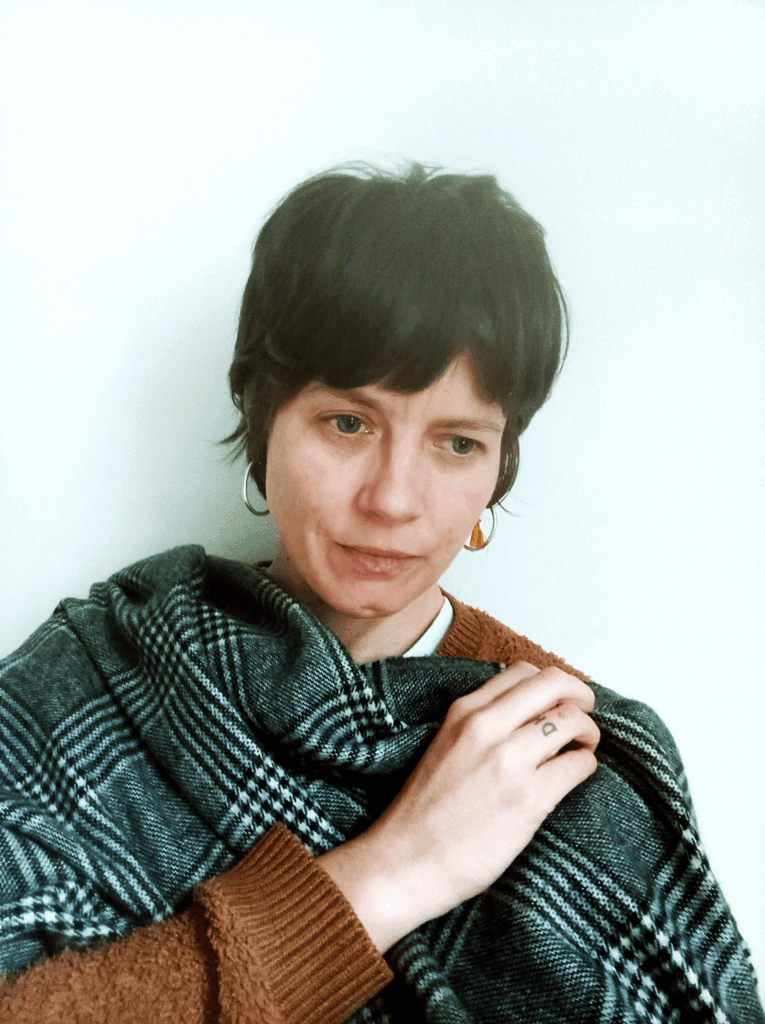
Roy Claire Potter is an artist who performs, publishes and exhibits. Influenced by linguistics and performance theory, they often collaborate with musicians and sound artists for radio broadcast and music festivals. Across the wide range of their work that includes drawing, installation, experimental art writing, vocal performance and moving image, Roy tells stories built from fragmented, intense images that depict moving bodies or domestic scenes and architectural settings.
Roy’s interest in communication constraints, subtext and narrative sequencing is felt in the way they use fast-paced talking or reading speeds and restricted or partial views of space. Complicated social or group dynamics and the aftermath of violent events are common themes in Roy’s work, and are usually treated with a dark, sometimes wilful humour.
They have have recently presented work with Book Works, Serpentine, Bergen Centre for Electronic Arts (2024), PRIMARY (2022/3), BBC Radio 3 (2020), Tate Britain and Tate Publishing (2019). Roy has published two chapbooks of experimental art writing, Round That Way (Ma Bibliotheque, 2017) and Mental Furniture (VerySmallKitchen 2014) and recently a novella, The Wastes (Book Works, 2024) commissioned by artist Katrina Palmer for Arrhythmia, a series of artist books that explore ideas of being out of joint with the predominant social order. Shorter works are published by Dostoyevsky Wannabe, Hotel Partisan, Tate Publishing, and CCA Derry-Londonderry.
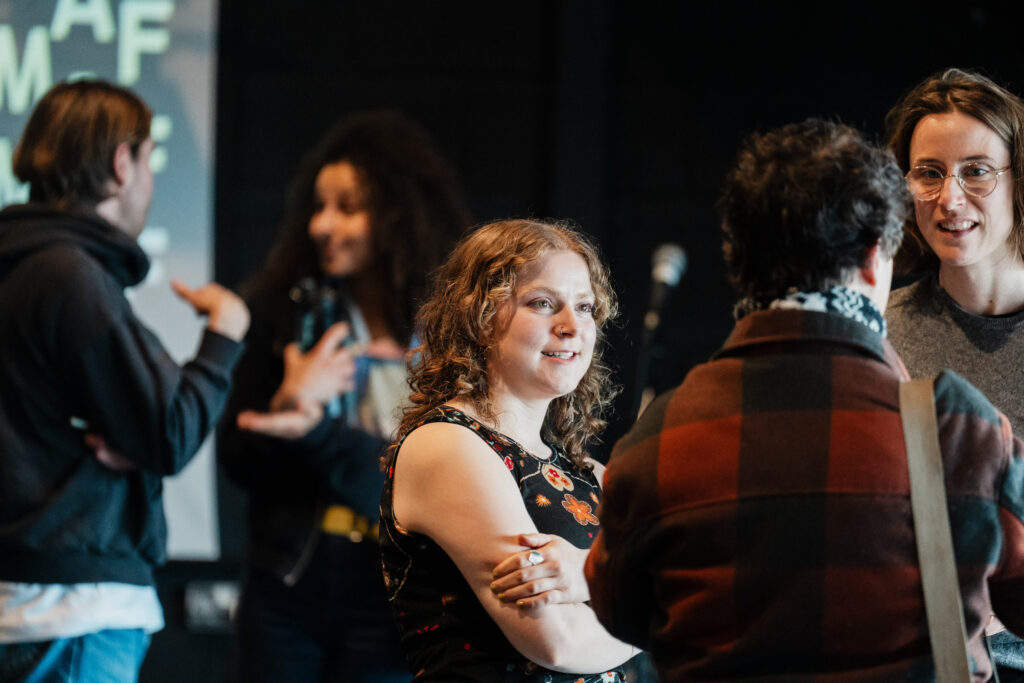
A chance to drop-in, meet up and softly extend the themes of the project: community care, self care and palliative care as three pillars of care drawn by lgbtqia+ support groups and alternative healthcare. Pastries and tea included!

An event series, resource and film library inspired by the use of caravans as a therapeutic retreat. Join us throughout the festival as three artists from Scotland, the Netherlands and Canada hosted by BFMAF explore resilient LGBTQIA+ community led care.
Your festival pit stop! Drop in for information about the town and the Festival – or simply warm up, catch up with friends, and take a breather between screenings. Our doors are open 10am–4pm throughout the Festival.
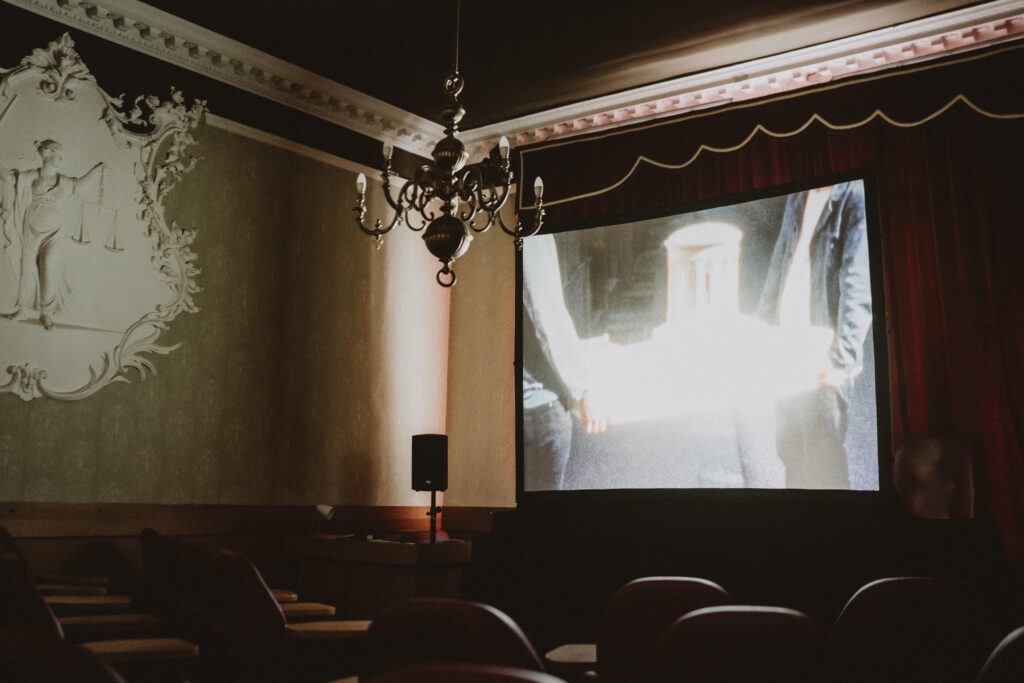
Relaxed Screenings are taking place at the Town Hall Council Chamber, our Relaxed Screen. Films are shown at the same time as screenings at the Maltings’ Cinema at the Barracks.
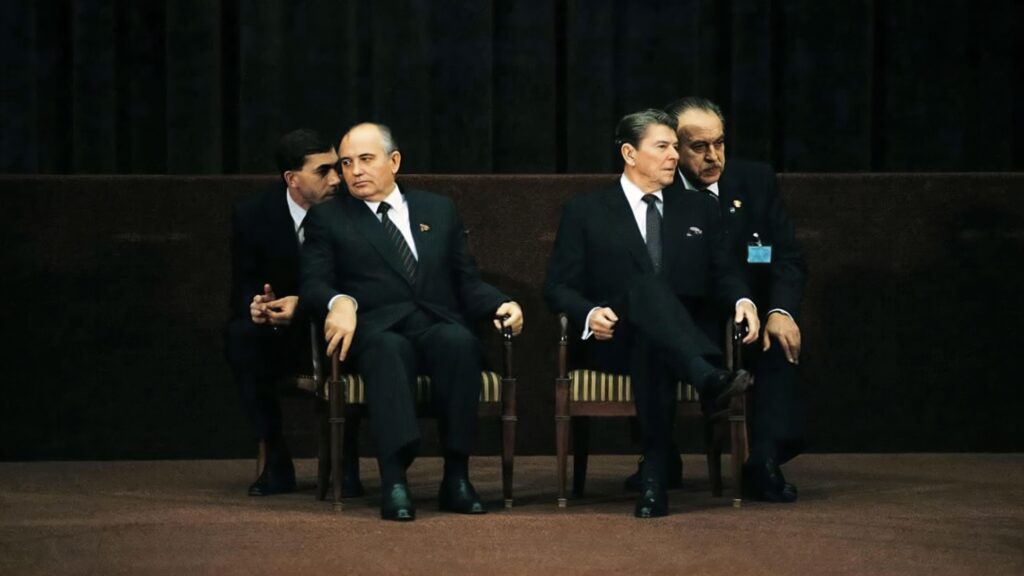
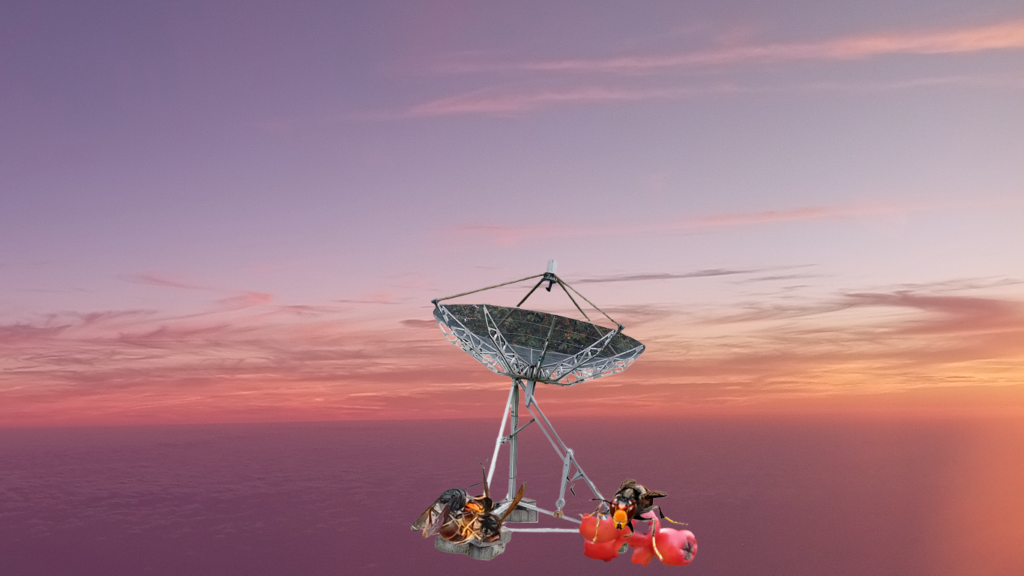
Tracing the fragile, performative labour of communication across political stages and intimate sensory worlds, two films probe how meaning is transmitted, distorted, and sustained through noise.
Run Time
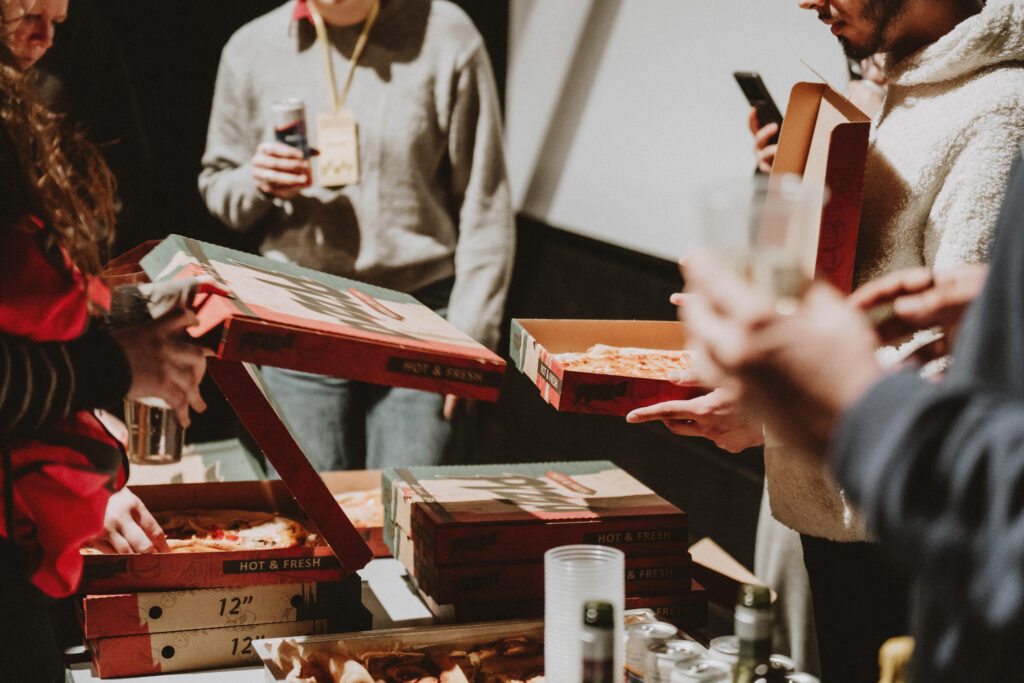
Join us for conversation, connection and a little collective exhale as we press pause on the screenings and gather around the table. Good films nourish the mind. But, good food and good company take care of everything else!
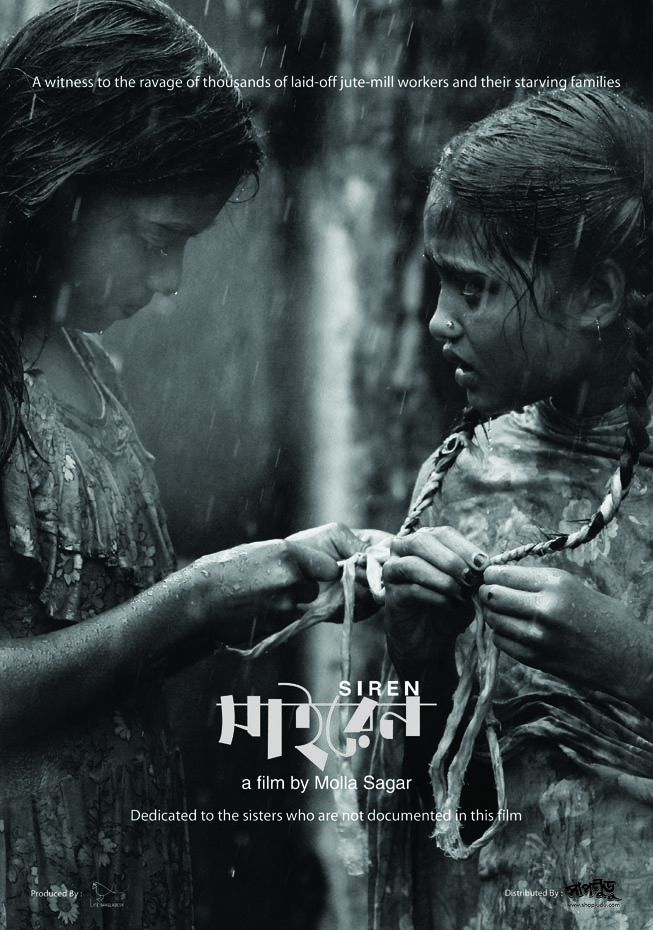
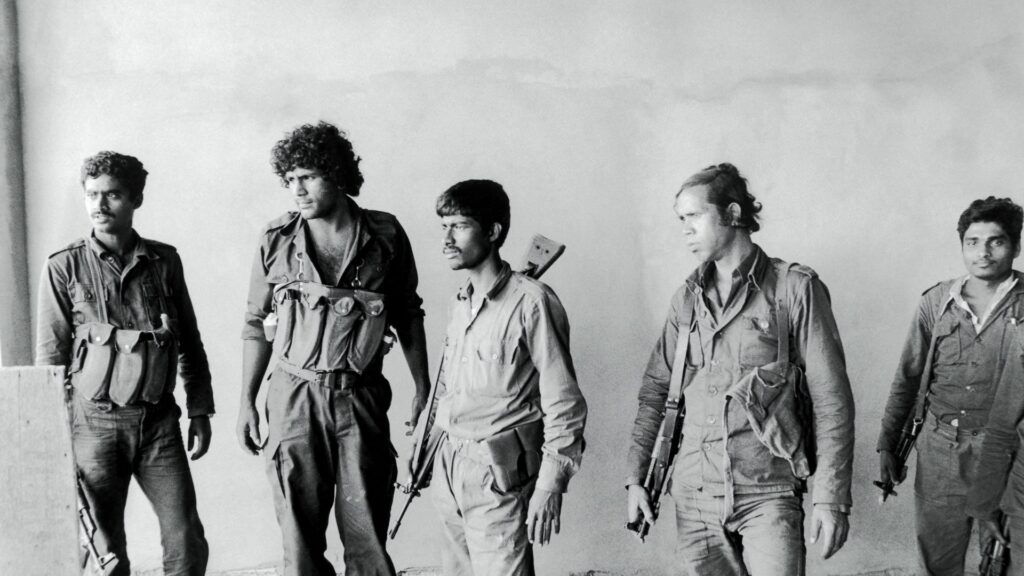
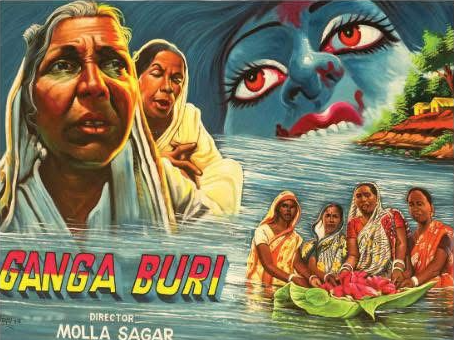
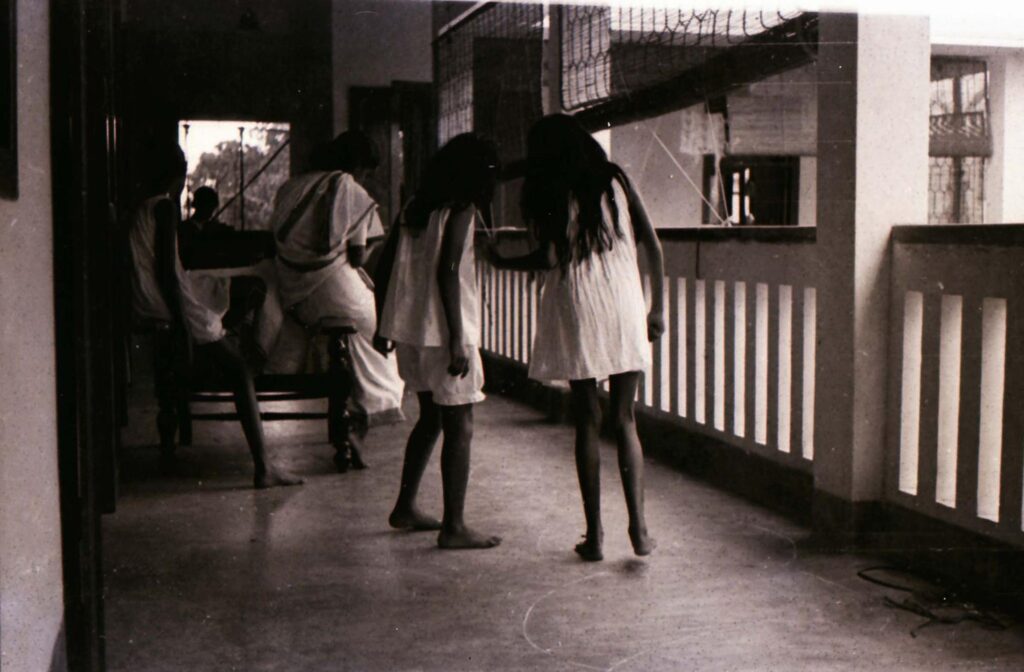
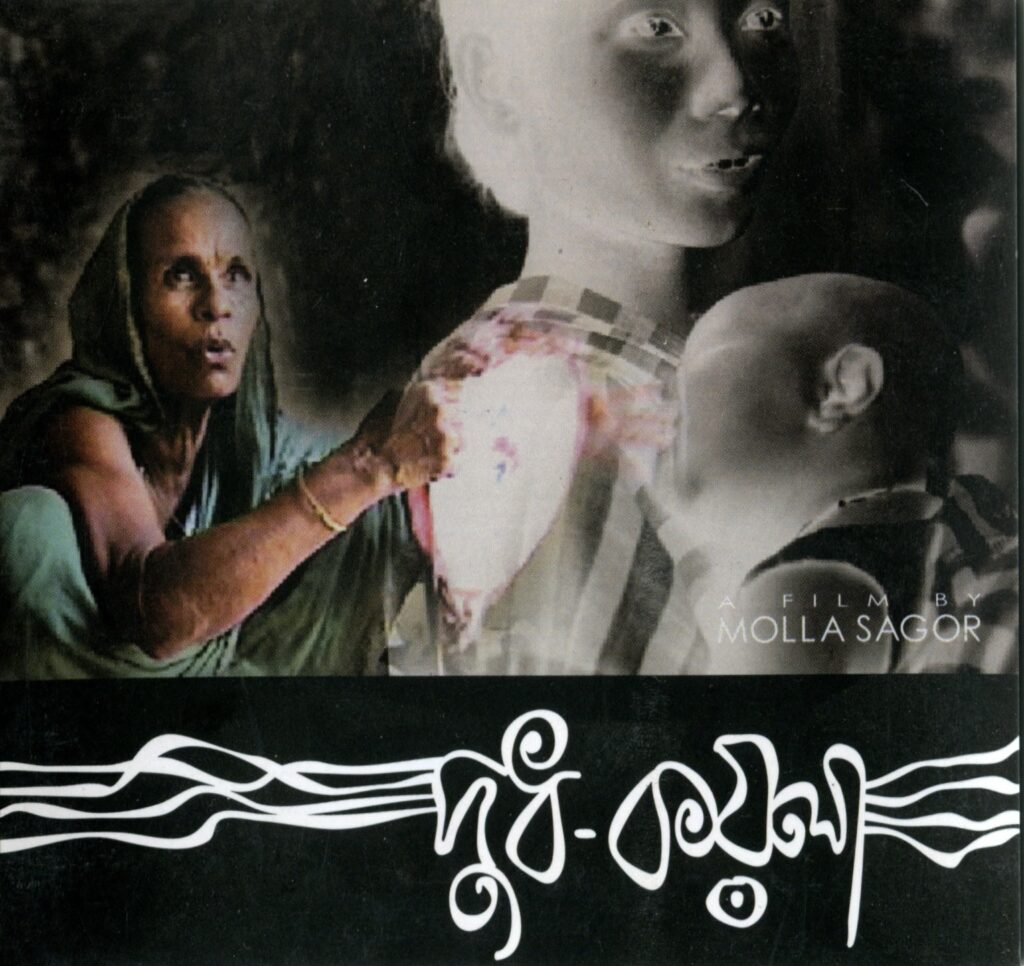
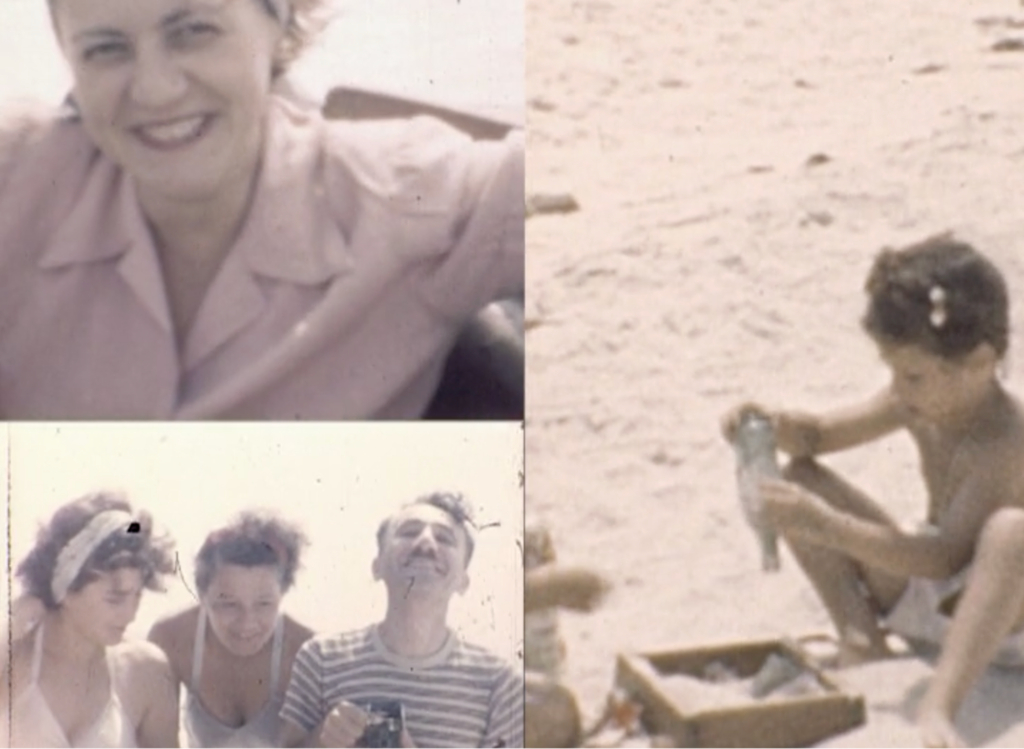
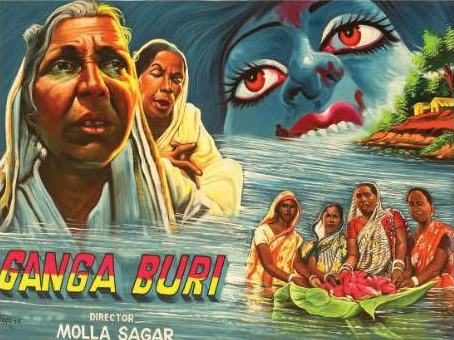
Intimate portraits of everyday life and struggle in Bangladesh speak together with playful, inter-textual vignettes exploring the confluence of autobiography and radical history. Together, Naeem Mohaiemen and Molla Sagar‘s films trace how personal memory and political upheaval collide, overlap, and refract across generations.
Run Time
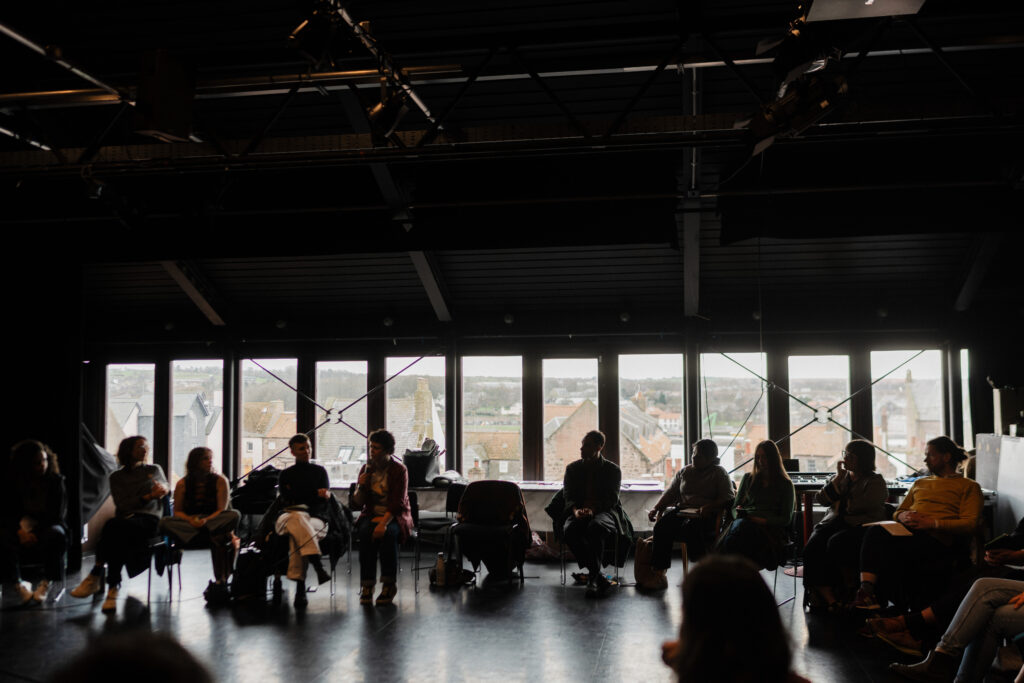
Educator and social theorist Tom Campbell joins us for a dynamic conversation on how disability is produced and reshaped by the transformations of modern society. Drawing on his forthcoming book Disablement in the Age of Ambivalence, Campbell mobilises Zygmunt Bauman’s concepts of solid and liquid modernity to unpack the shifting forms of power, exclusion, and moral indifference that structure disabled lives today.
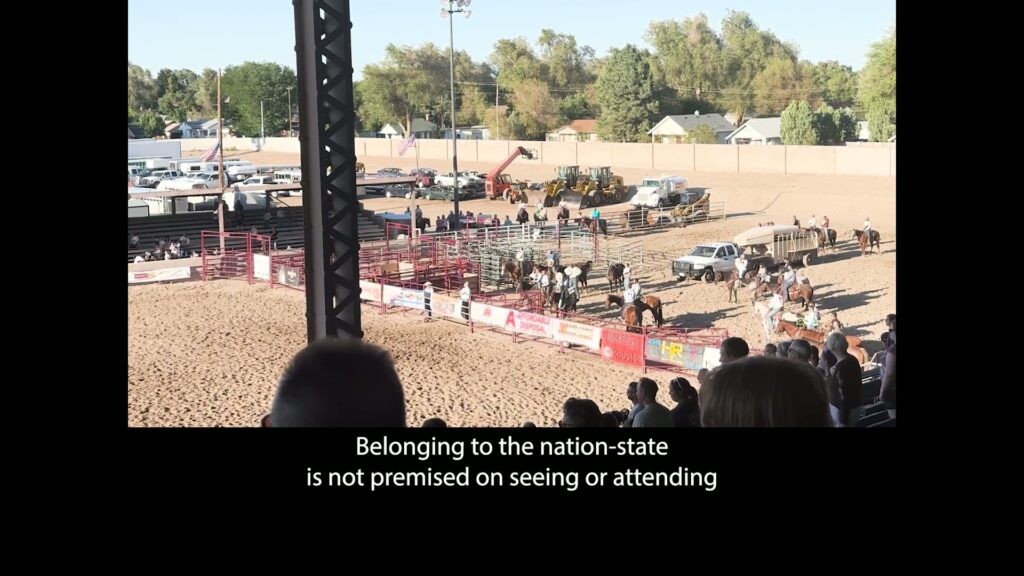
From right-wing propaganda machines to the hidden labour behind “inclusive” audiences, two films by artist Jordan Lord trouble the tangled relationships between disability, labour, and national identity – asking who gets seen, heard, and valued in the American public sphere.
Run Time
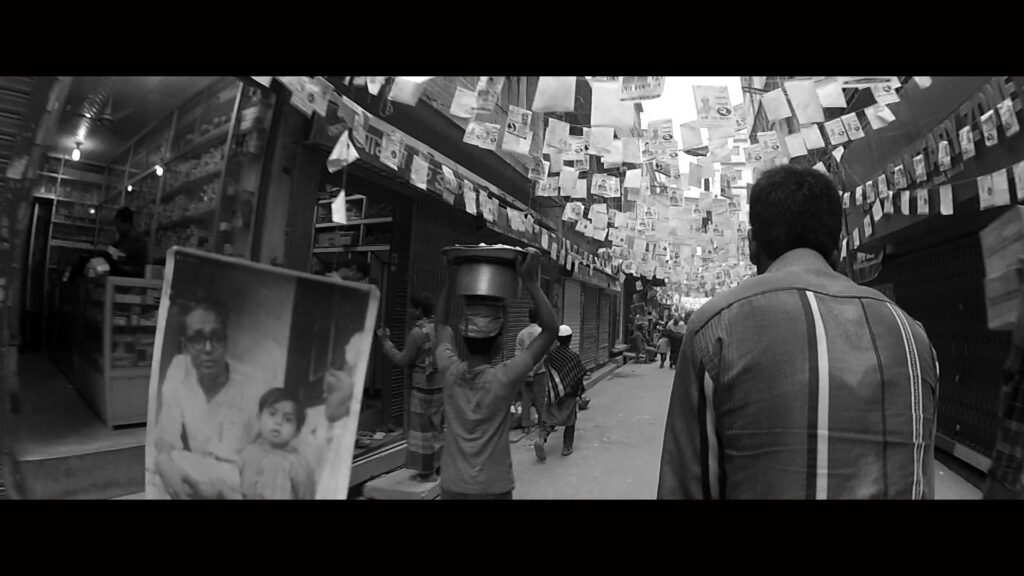
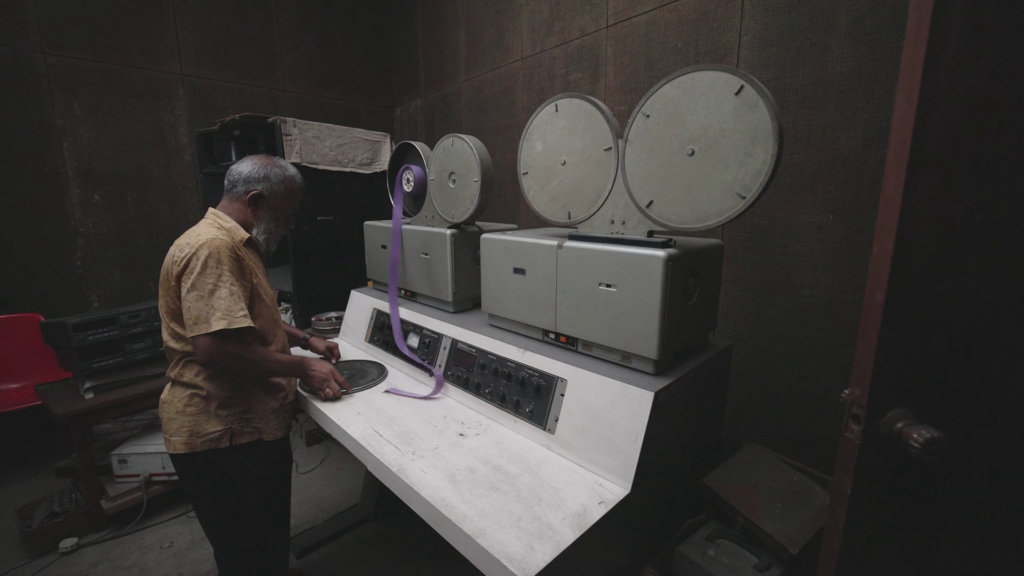
Spanning Partition to contemporary Bangladesh, this programme journeys through fractured homes and unfinished films to ask how history lingers in bodies, cities, and celluloid. Between memory and the archives, the works trace disappearance, displacement, and the stubborn afterlives of images in the face of erasure.