Accessibility Settings

You can use these controls to adjust properties of the website’s presentation. Read more about the Festival’s Accessibility Guide

Programmes

21 September 2019

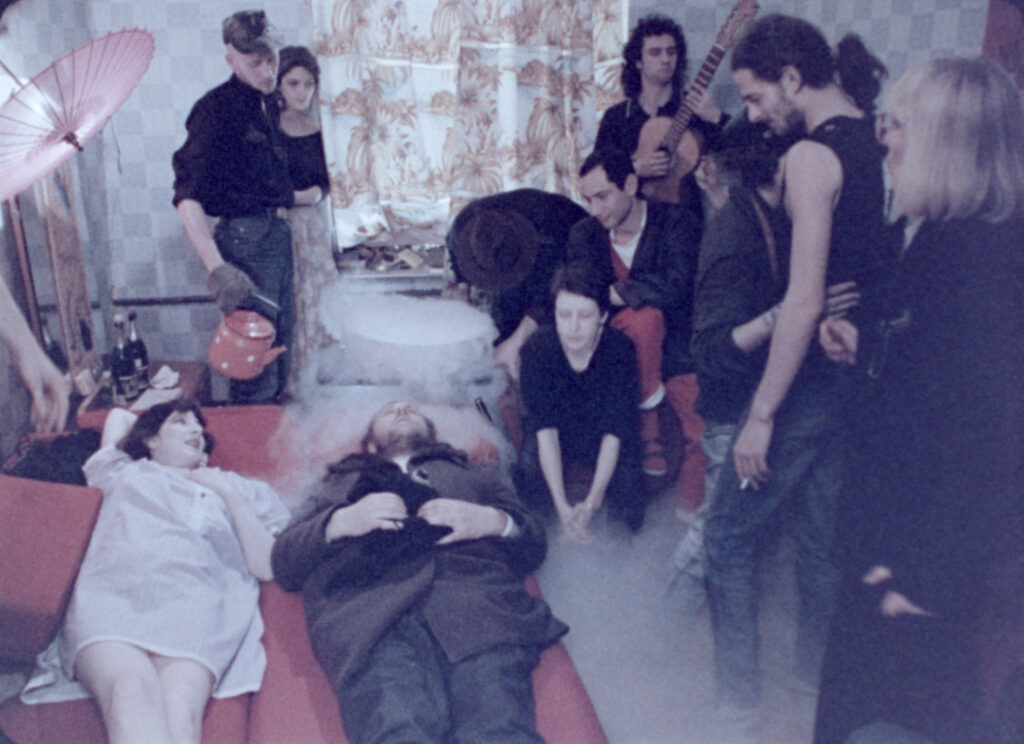
A distraught widow who has just buried her husband is about to destroy everything and everybody, but mainly herself. An exhausted man tries to find an escape from his daily chaos and routine in perpetual sleep. While their paths don’t really cross, the film implies they both suffer from the titular syndrome—a weakness, enervation, fatigue that is equally concrete and allegorical.
Director

Country

Run Time

153 mins

Year

1989
More Info
20 September 2019

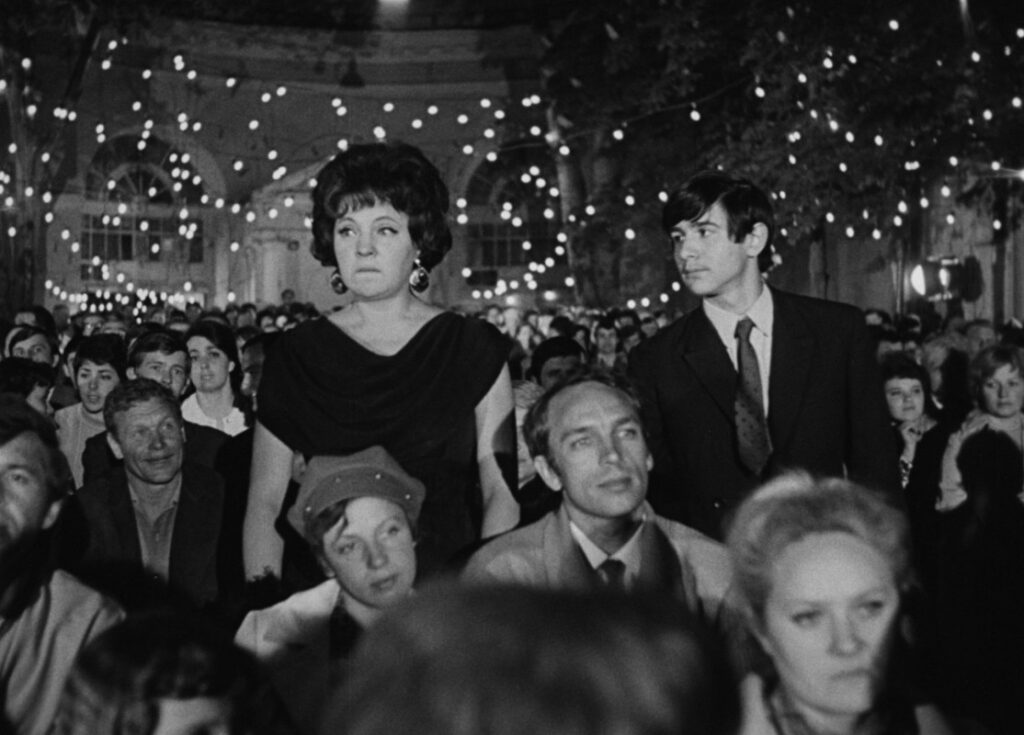
Yevgeniya, a divorced mother, is very devoted to her only son, Sasha. When she lets him vacation with his father, he comes back a changed person and tells her that he does not want to live with her anymore, and wishes to move to Novosibirsk. As a portrait of a woman unravelled, this film forms a diptych with Brief Encounters. Both are shot in achingly poetic black-and-white. Both are about the nature of romance, even if it’s a romance between mother and son, which Muratova proposes as a metaphor for any male-female relationship. Finally, both films are astonishing portraits of unconventional women, and the pain of yearning, impulsive, irrational loves.

Director

Country

Run Time

97 mins

Year

1971
More Info
21 September 2019

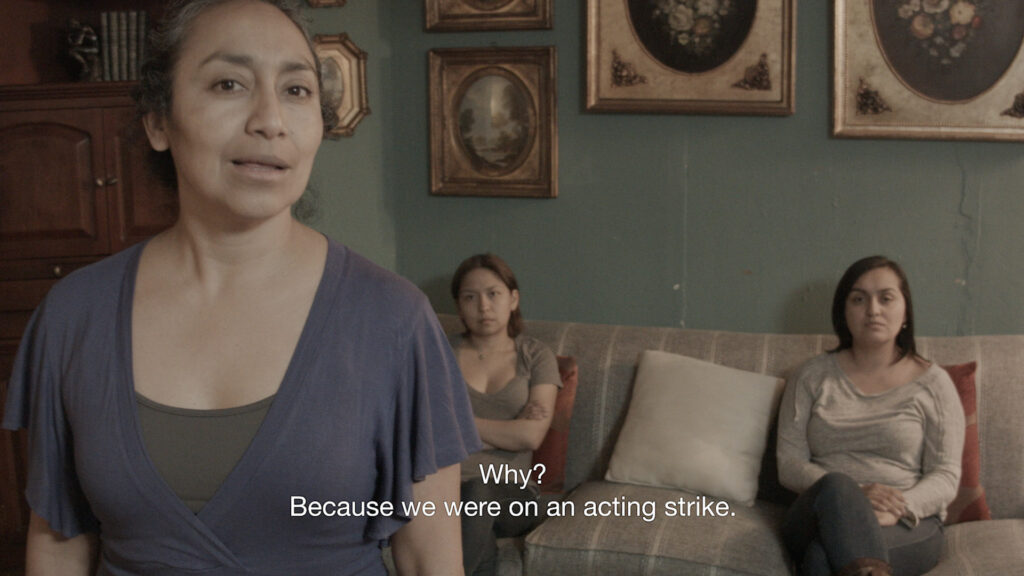
This programme brings together Marwa Arsanios’ new work Amateurs, Stars and Extras or the labor of love with her earlier, much-lauded film Have You Ever Killed a Bear or Becoming Jamila.

Q&A with filmmaker Marwa Arsanios

Run Time

52 mins
More Info
20 September 2019

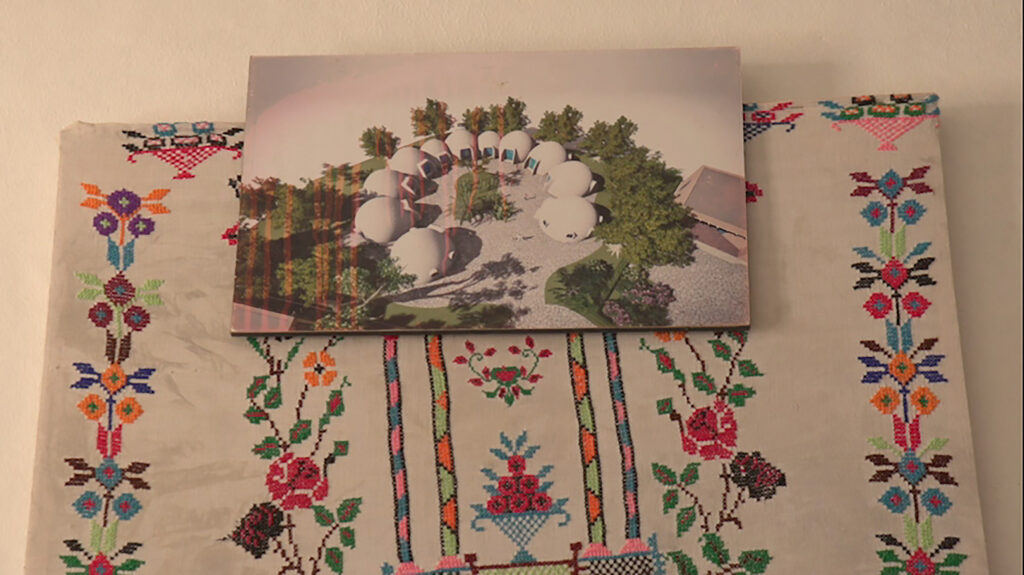
Marwa Arsanios’ Who Is Afraid of Ideology? focuses on ecology, feminism, social organization, nation-building, war and economic struggle. In its formal construction, the film lays bare some of the documentary form’s devices to create a record of shared living and organising— voiced by those within, and in proximity to, the communities documented. Arsanios presents us with two radical women’s movements and their means of survival as a possible solution to the degradation of the commons and the destruction of the earth.

Q&A with Marwa Arsanios

Director

Countries

Run Time

54 mins

Year

2019
More Info
21 September 2019

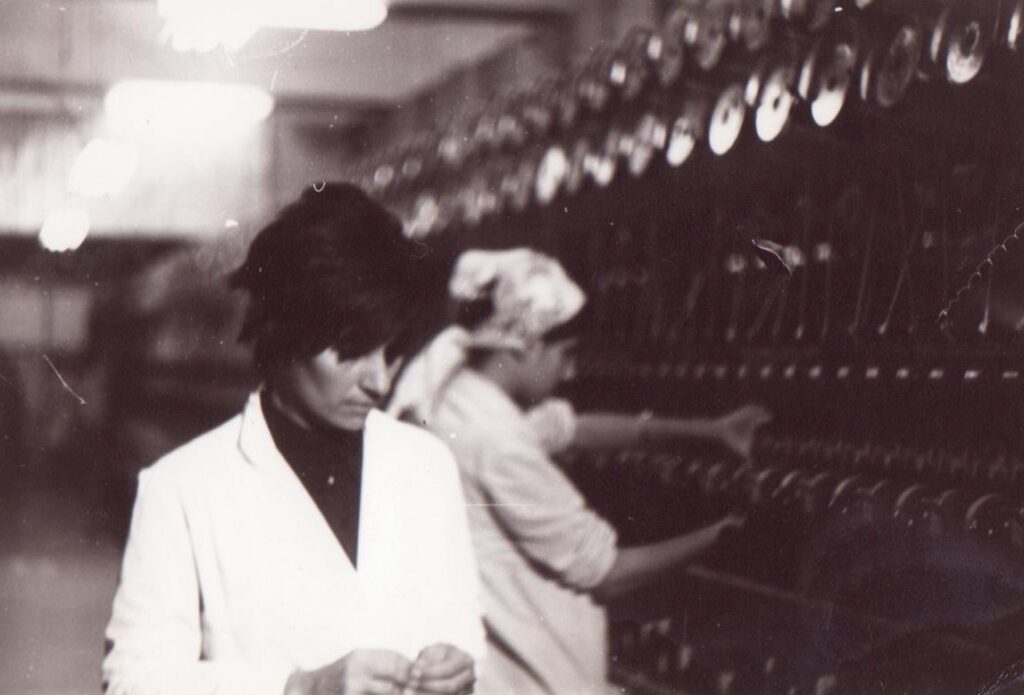
Christian Ghazi’s incendiary, avant-garde masterpiece A Hundred Faces for a Single Day ends with the send-off, “I don’t care when or how I will die, as long as there are armed men who will continue the march, shaking the earth with their uproar so that the world won’t sleep heavily over the bodies of the laborious, miserable and oppressed men.” Through this fiction-documentary hybrid film, Ghazi forged a strong critique of bourgeois society in Beirut during Lebanon’s Golden Age (which would end in 1975 with a gruelling and protracted civil war). An essay on labour, class, social relations and resistance, Ghazi considered the film his “manifesto on cinema”, a powerful and polemical work that reaches back to the early decades of film experimentation while pioneering radical techniques in multivalent sound, disjunctive montage and an embedded perspectives on direct action.

Selected by Artist in Profile Marwa Arsanios, who will introduce the film

Director

Country

Run Time

64 mins

Year

1971
More Info
22 September 2019

Films by Leonor Noivo and Elise Florenty & Marcel Türkowsky

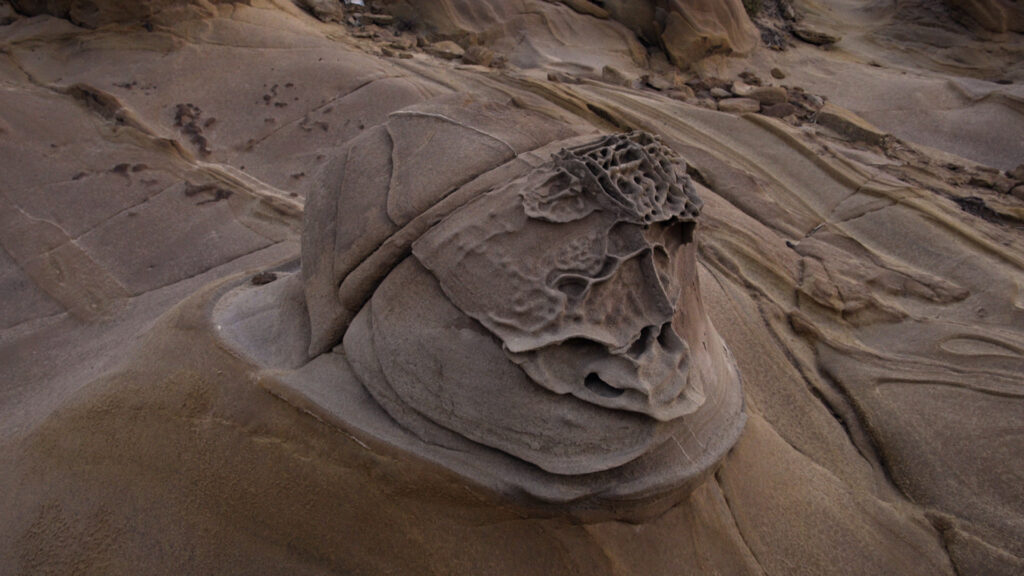
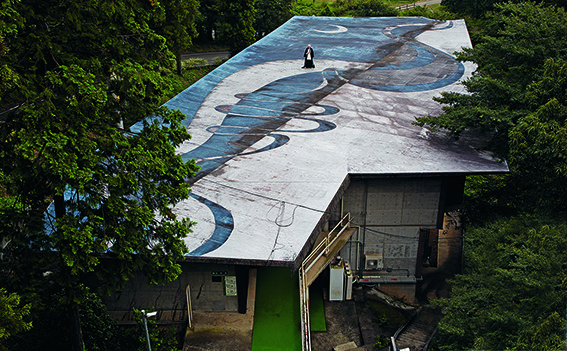
No human is an island. Two short films of grand vision—and great difference—follow their lone protagonists as they negotiate between inner and outer worlds. From the barren but hauntingly militaristic island of Lemnos to a verdant Portuguese forest, both humans rearrange fugitive blocks of cunning and experience to find their point of view.

Q&A with filmmakers Leonor Noivo, Elise Florenty and Marcel Türkowsky

Run Time

85 mins
More Info
21 September 2019

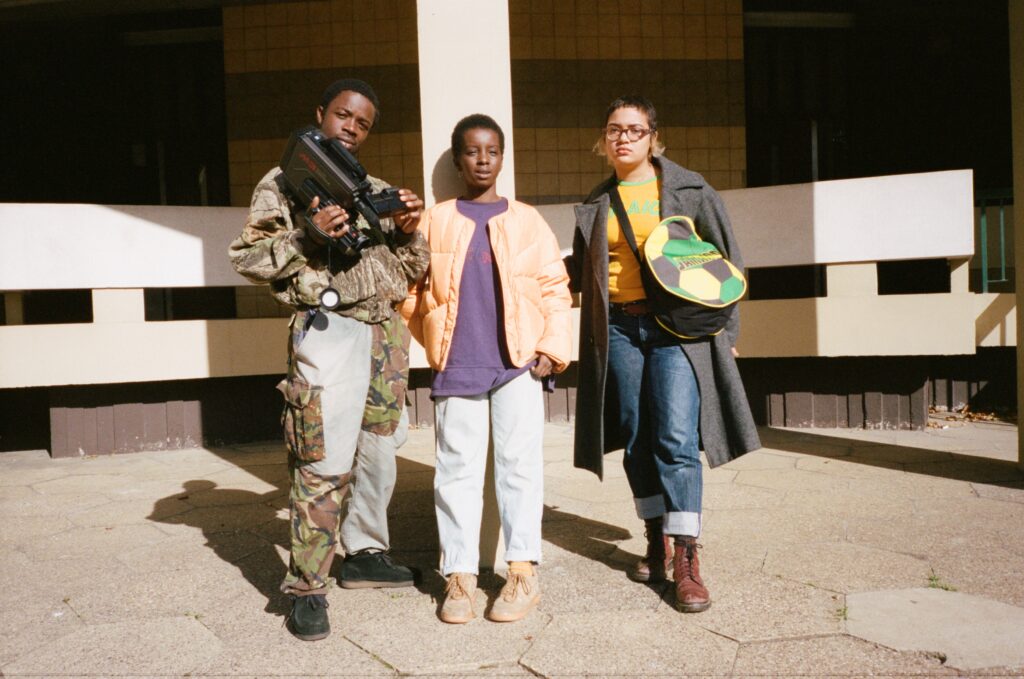
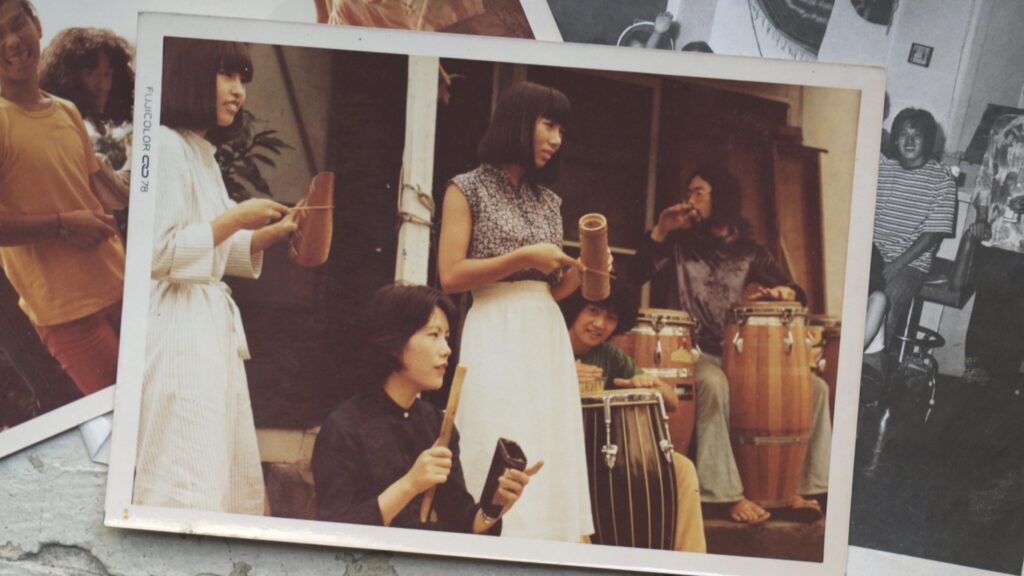
Films by Miko Revereza, Ayo Akingbade, Daisuke Kosugi and Jenny Brady

Ricocheting from point to point, this might lead to discovering new people, ideas and forms of communication, breeching familiar spaces, close and far. Or is it perhaps the eternal return, reconnecting us with family, compatriots or community?

Q&A with filmmakers Miko Revereza, Ayo Akingbade, Daisuke Kosugi and Jenny Brady

Run Time

86 mins
More Info
21 September 2019

Films by Dani ReStack & Sheilah ReStack, Cooper Battersby & Emily Vey Duke, Adam Khalil, Zack Khalil & Jackson Polys, Anya Tsyrlina & Sid Iandovka and Heidrun Holzfeind

History is what’s happening. It’s constantly unfurling never static and always in flux. Rather than being resigned to it, it’s incumbent upon us to shape and mould it into the gooey, slimy substance that we want our world to resemble. The time is now, the place is everywhere, all at once…

Q&A with filmmakers Emily Vey Duke, Anya Tsyrlina & Sid Iandovka and Heidrun Holzfeind

Run Time

89 mins
More Info
20 September 2019

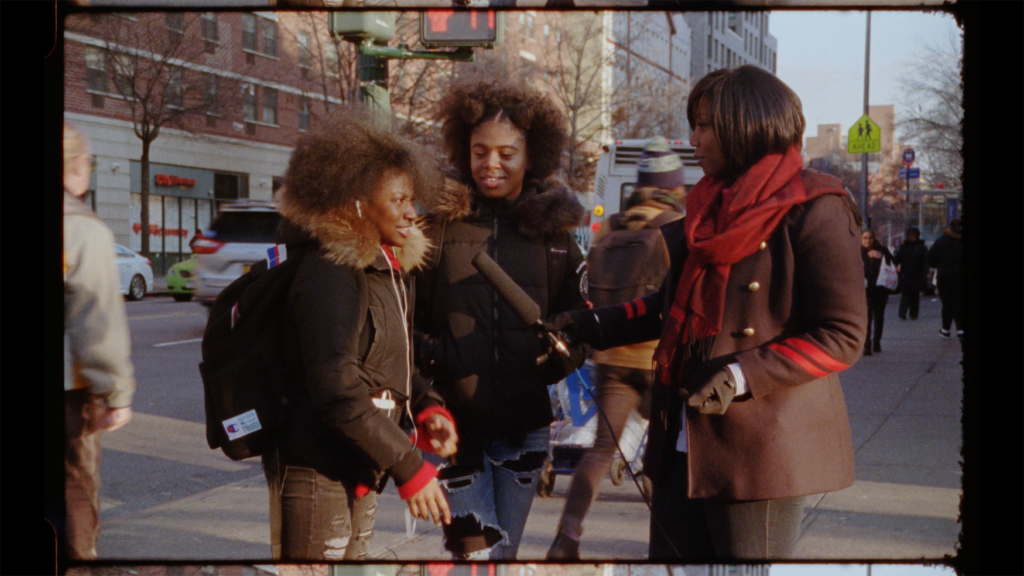
Films by Steve Reinke, Onyeka Igwe, Rajee Samarasinghe and Ja’Tovia Gary

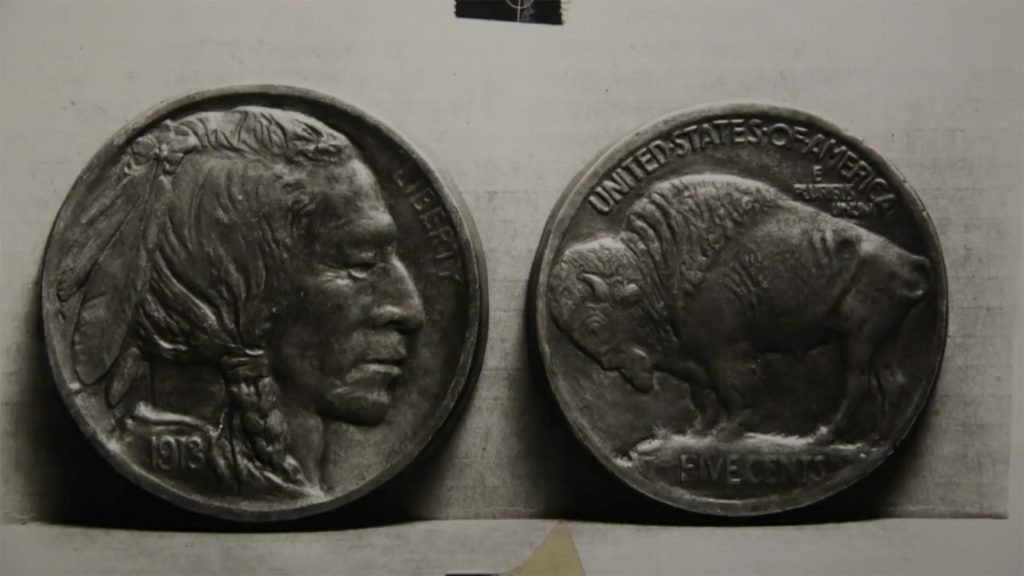
From Harlem to Giverny, patrilineal tales to Artaud, nature will give way to febrile artifice. What dizzying force is this—throwing us between opposites: deafening silence vs. slide-projector clicks; glitch-y celluloid vs. HD; projected futures pressed up against the archive? But there’s calm around the corner—a reprieve from the chaos of subjection. “Can I live?”, one voice enquires, rhetorically. Consider how the subtext to our fervid biopolitical project.

Q&A with filmmakers Steve Reinke and Onyeka Igwe

Run Time

86 mins
More Info