
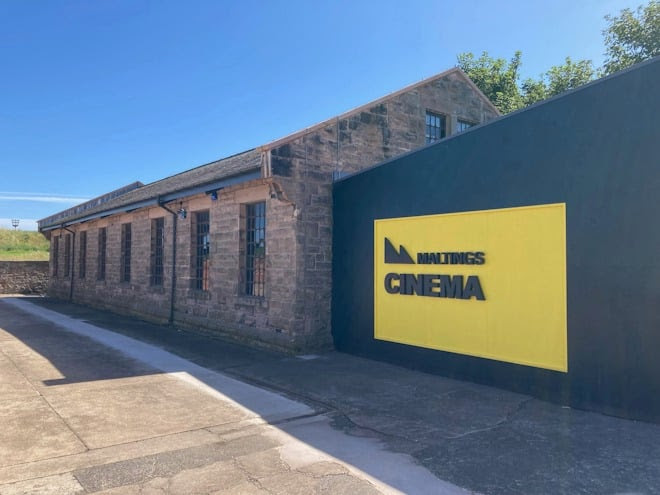
Maltings Cinema at the Barracks
The Maltings will be undergoing re-development soon and the Maltings Cinema at the Barracks is a temporary cinema and event venue. The Barracks is an 18th Century building.
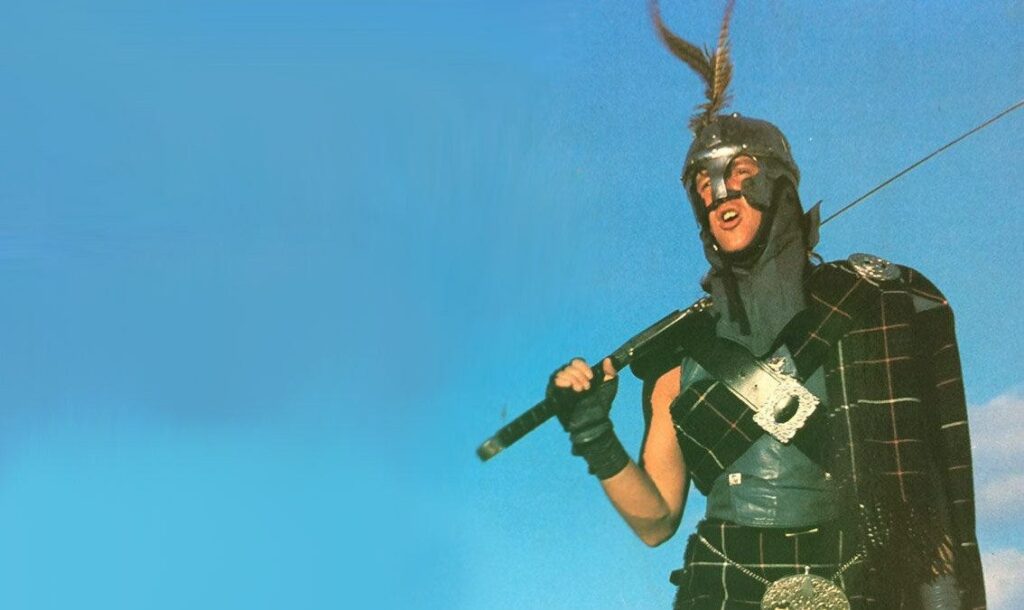
A kilted warrior crowns the New York skyline in this joyous tribute to Jesse Rae, a musician from the Scottish Borders who plugged into the electric current of Parliament-Funkadelic. From bringing 80s NYC to a standstill atop the Brooklyn Bridge to shaping seminal hits like Inside Out, Rae fused tartan swagger with transatlantic groove to craft a mythic, pluralist vision of Scotland in the key of funk!
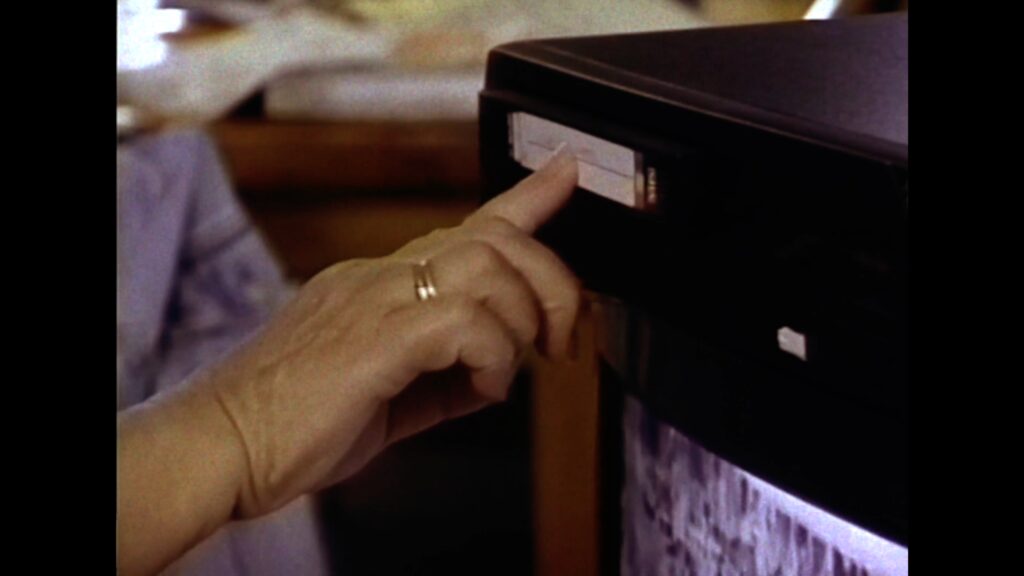
Lesley Loksi Chan’s poignant work of archival intimacy blends fragments of her research notes with the unfinished footage of Lloyd Wong, a man who documented his life living with AIDS in the early 1990s. Rough and unprocessed, her film explores the meaning of queer inheritance, of incompletion, and the act of repeated looking.
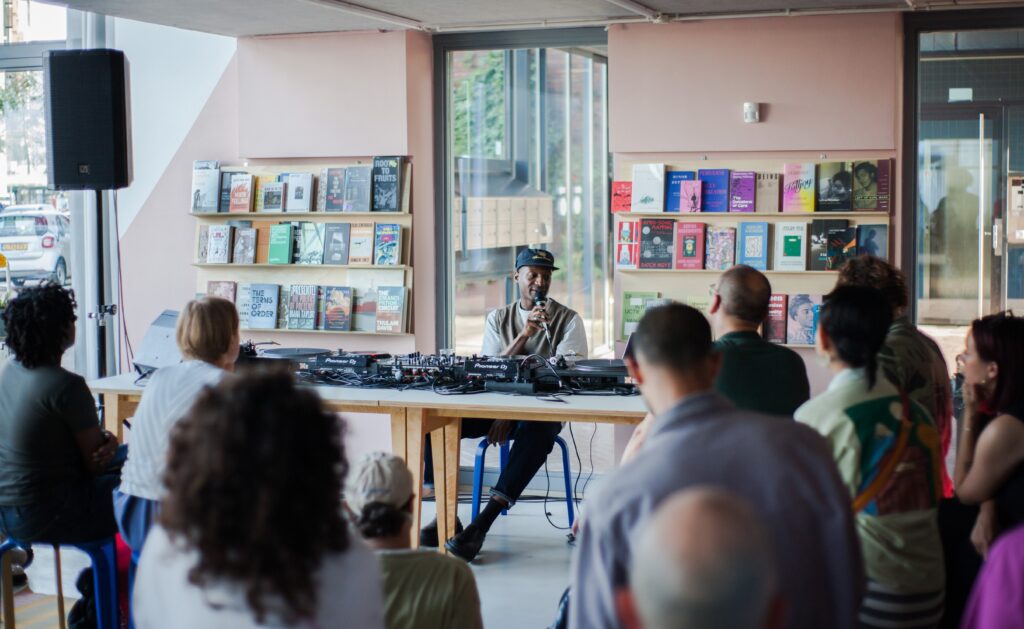
Dub Epistemology is a series of hybrid talks and live audio essays by Ashley Holmes that treat sound as both archive and method—foregrounding movement, repetition, and re-performance as tools to imagine histories that circulate, mutate, and persist through listening, replay, and versioning.
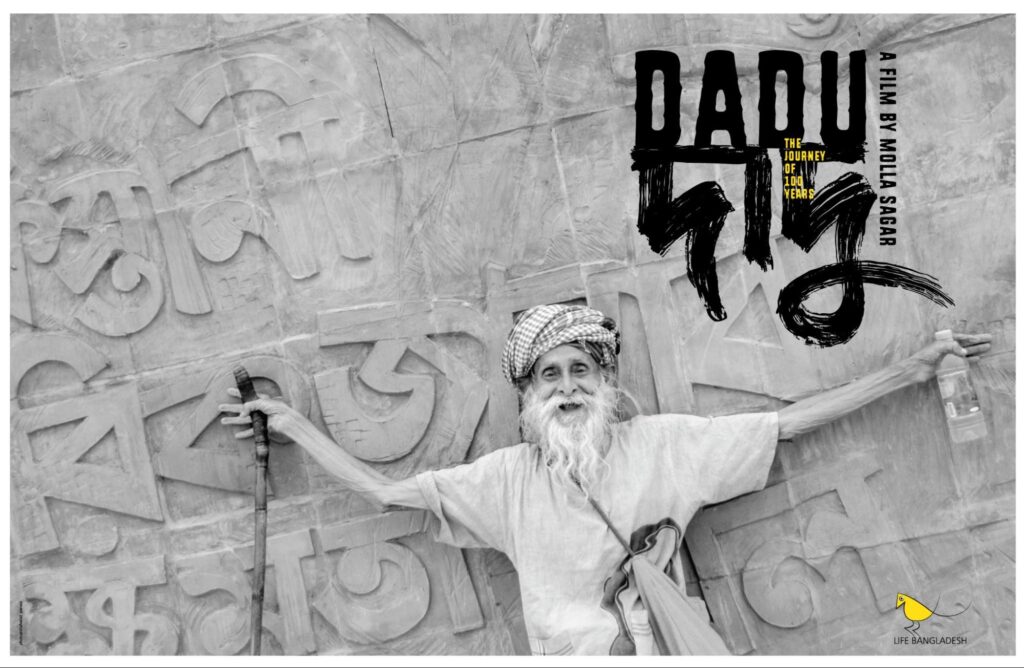
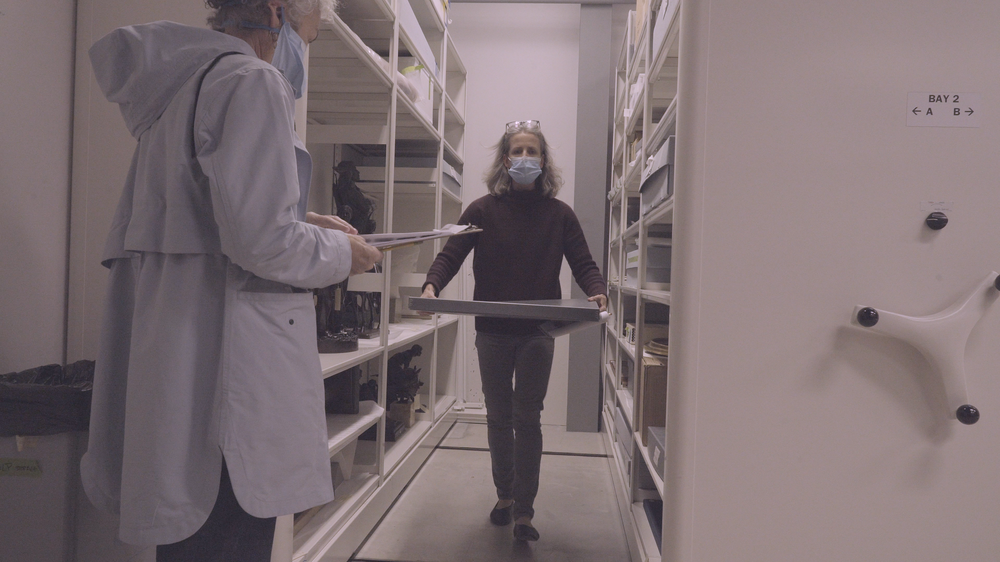
The quiet radiance of everyday acts emerges between a beautiful portrait of a Bangladeshi centenarian and a tender chronicle of a woman choosing a dignified death. This Focus programme touches on themes of ageing, autonomy, and what it means to inhabit—and ultimately release—the body.
Run Time
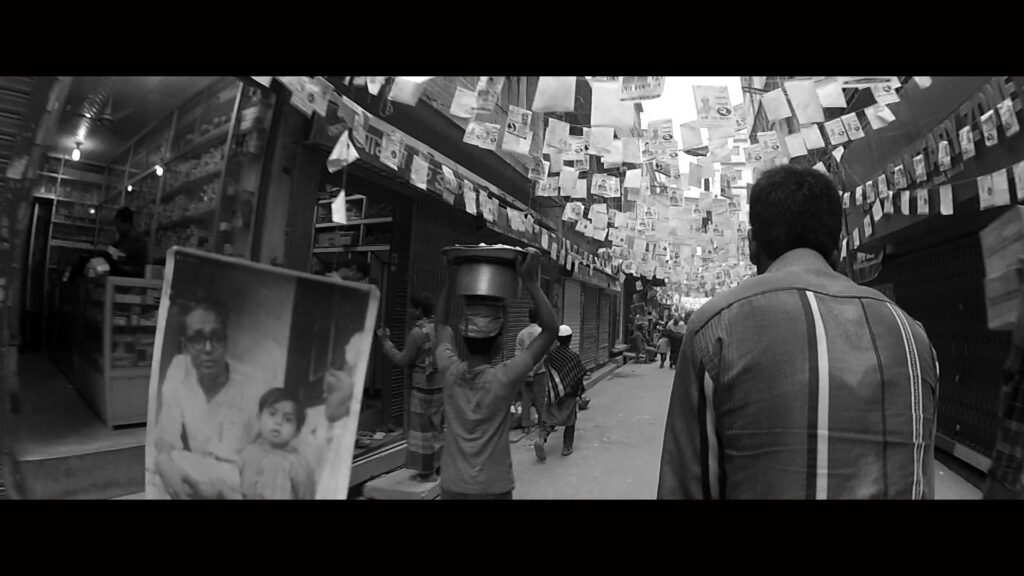
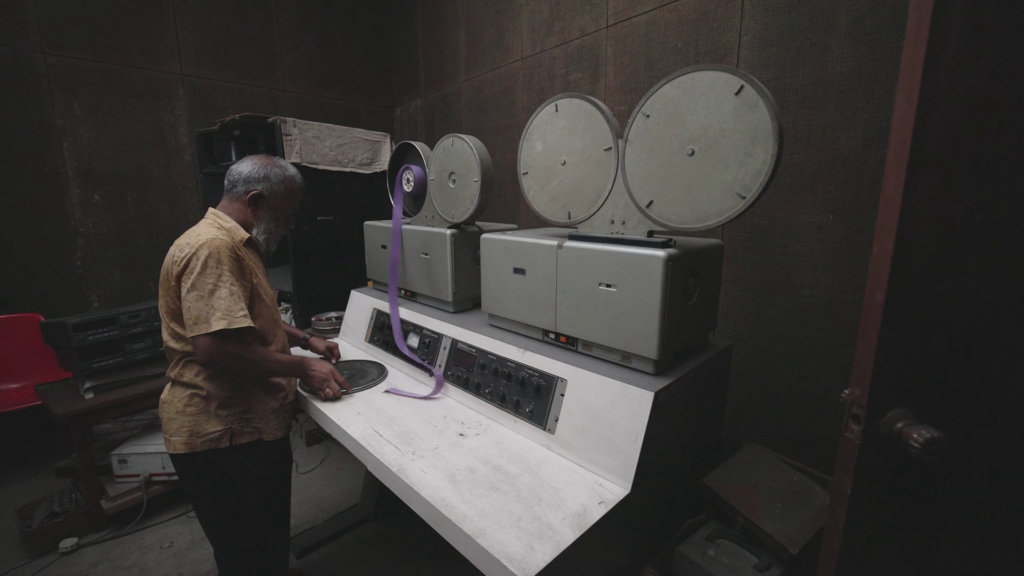
Spanning Partition to contemporary Bangladesh, this programme journeys through fractured homes and unfinished films to ask how history lingers in bodies, cities, and celluloid. Between memory and the archives, the works trace disappearance, displacement, and the stubborn afterlives of images in the face of erasure.
Run Time
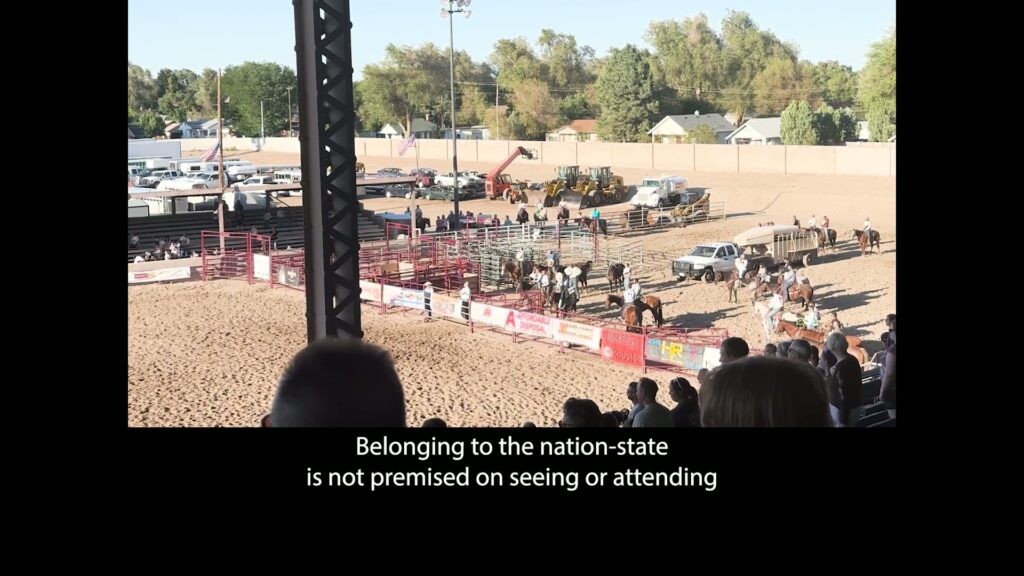
From right-wing propaganda machines to the hidden labour behind “inclusive” audiences, two films by artist Jordan Lord trouble the tangled relationships between disability, labour, and national identity – asking who gets seen, heard, and valued in the American public sphere.
Run Time
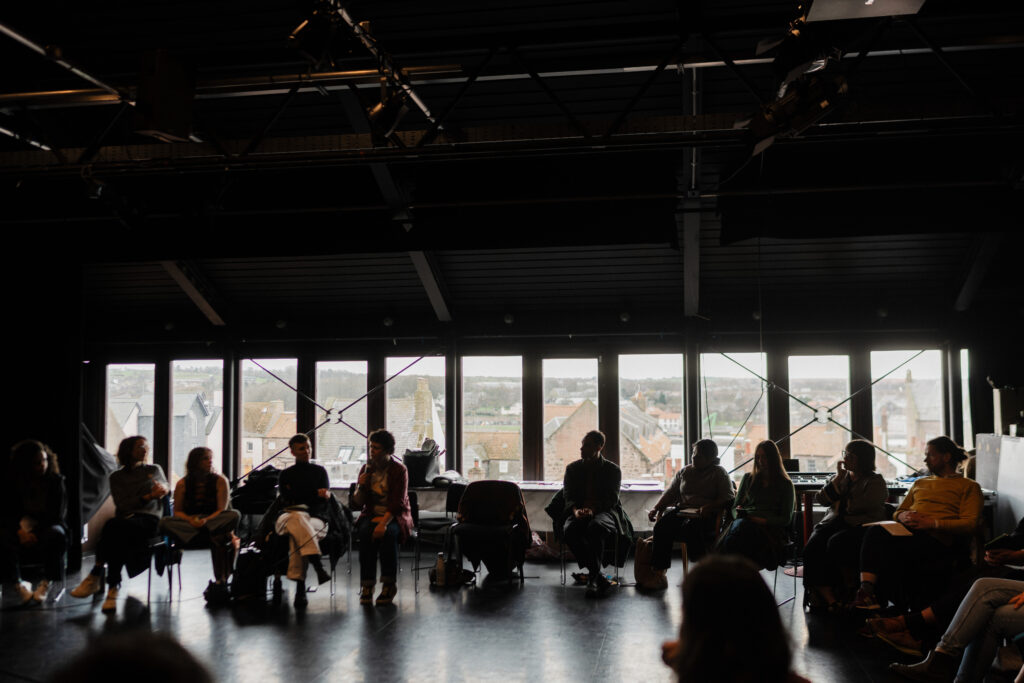
Educator and social theorist Tom Campbell joins us for a dynamic conversation on how disability is produced and reshaped by the transformations of modern society. Drawing on his forthcoming book Disablement in the Age of Ambivalence, Campbell mobilises Zygmunt Bauman’s concepts of solid and liquid modernity to unpack the shifting forms of power, exclusion, and moral indifference that structure disabled lives today.
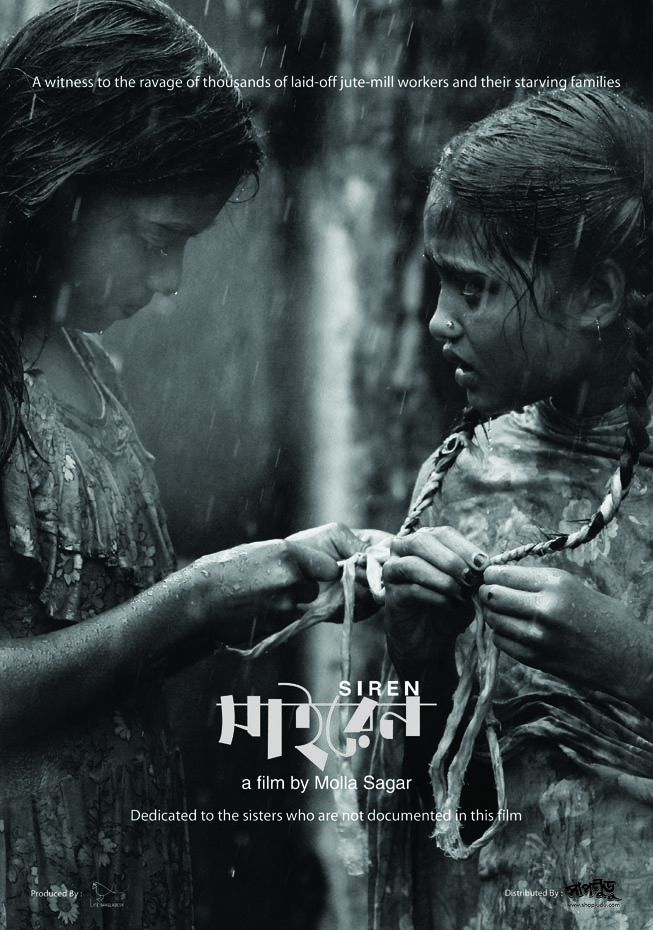
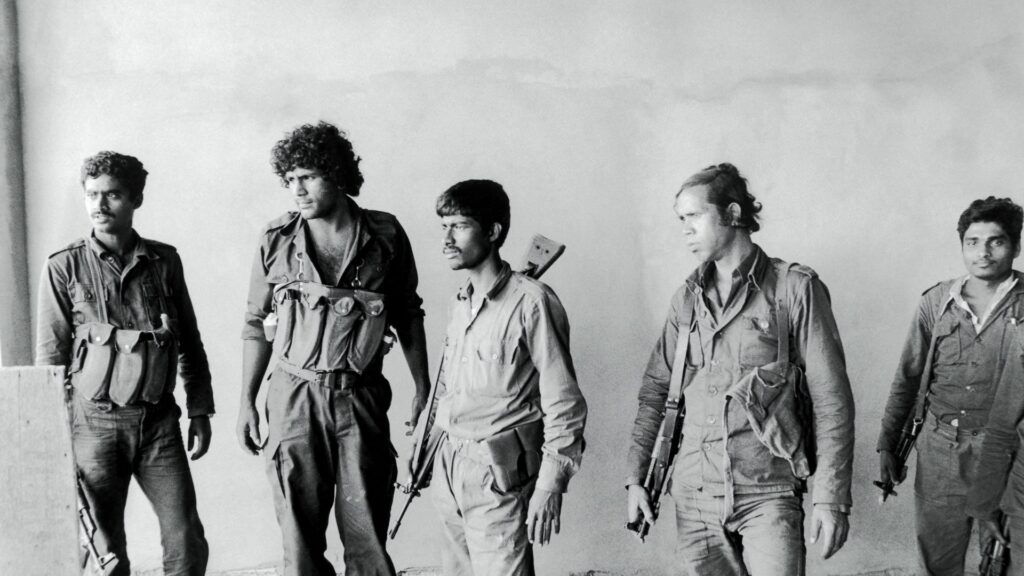
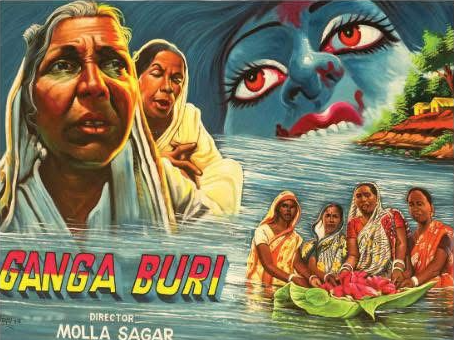
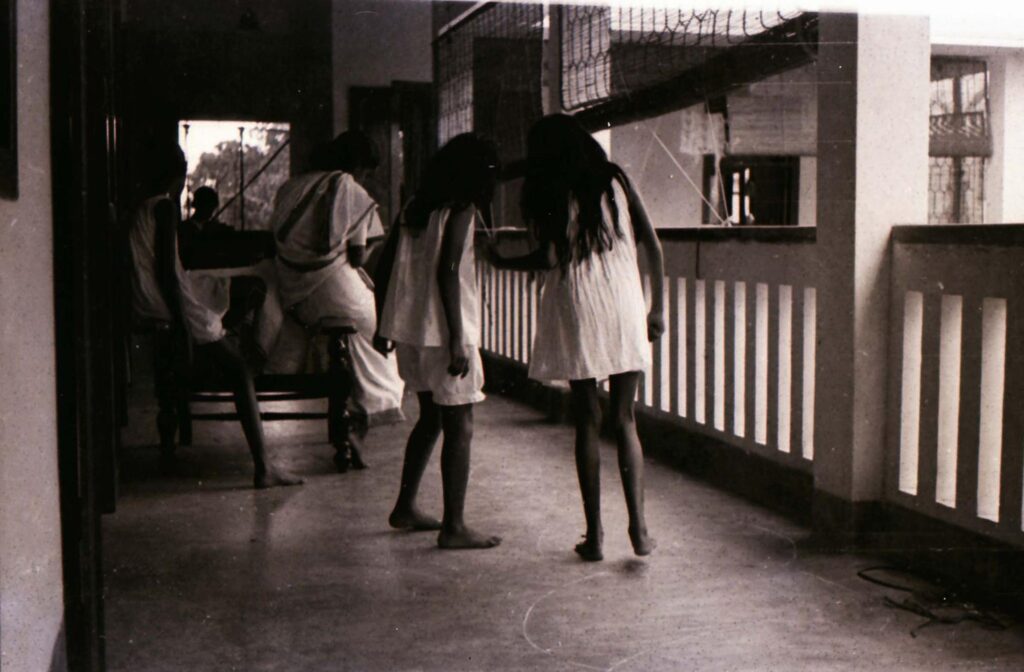
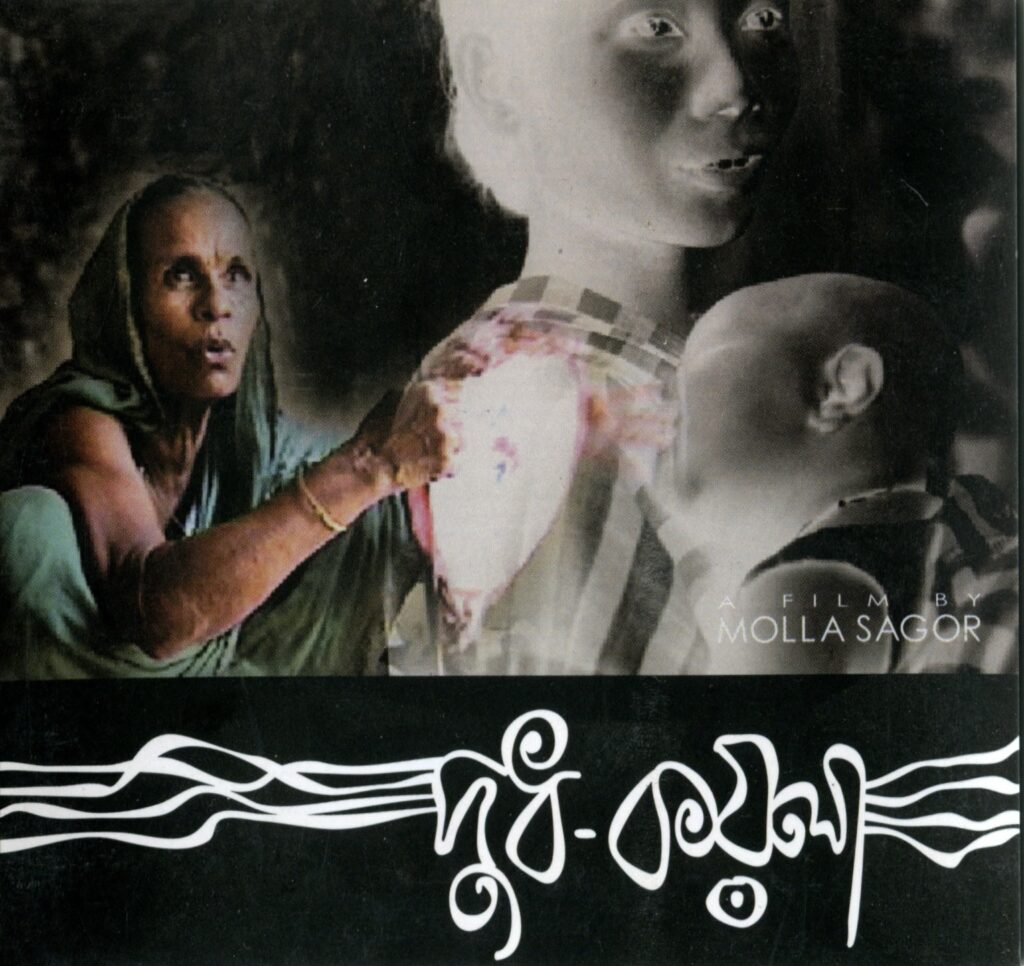
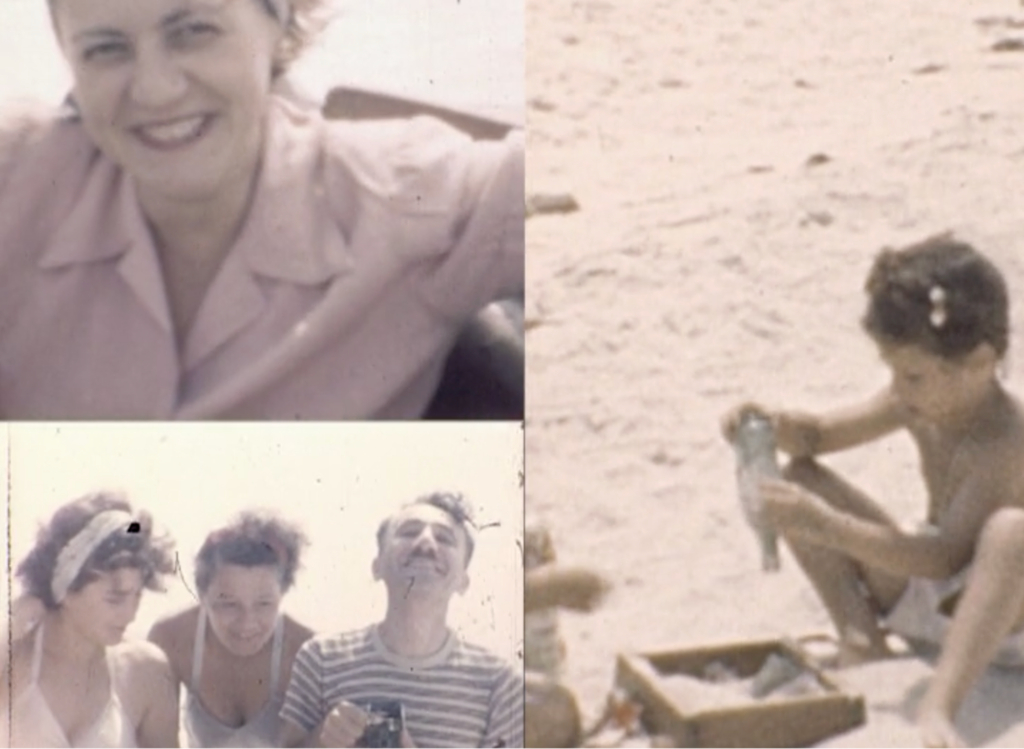
Intimate portraits of everyday life and struggle in Bangladesh speak together with playful, inter-textual vignettes exploring the confluence of autobiography and radical history. Together, Naeem Mohaiemen and Molla Sagar‘s films trace how personal memory and political upheaval collide, overlap, and refract across generations.
Run Time
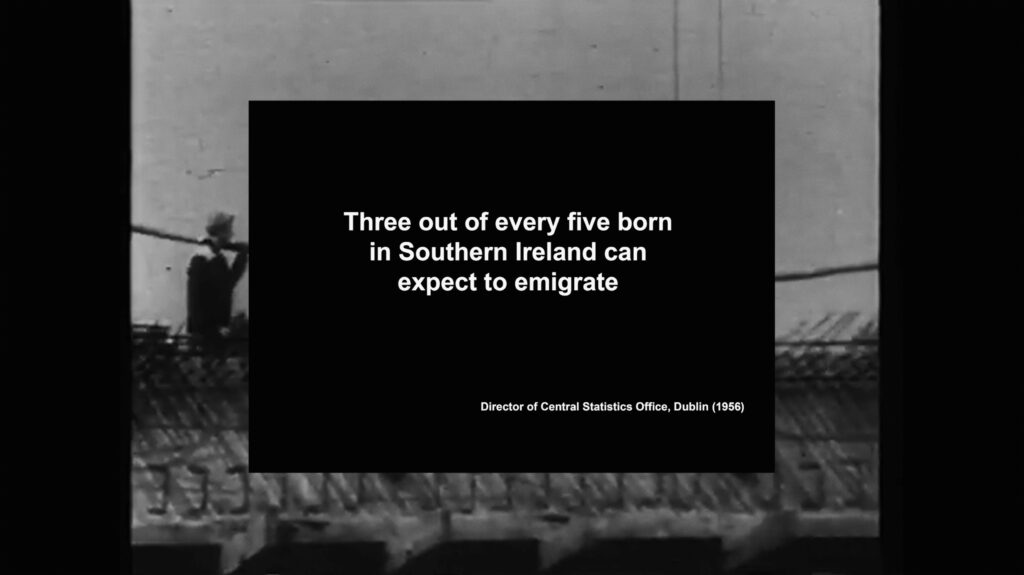
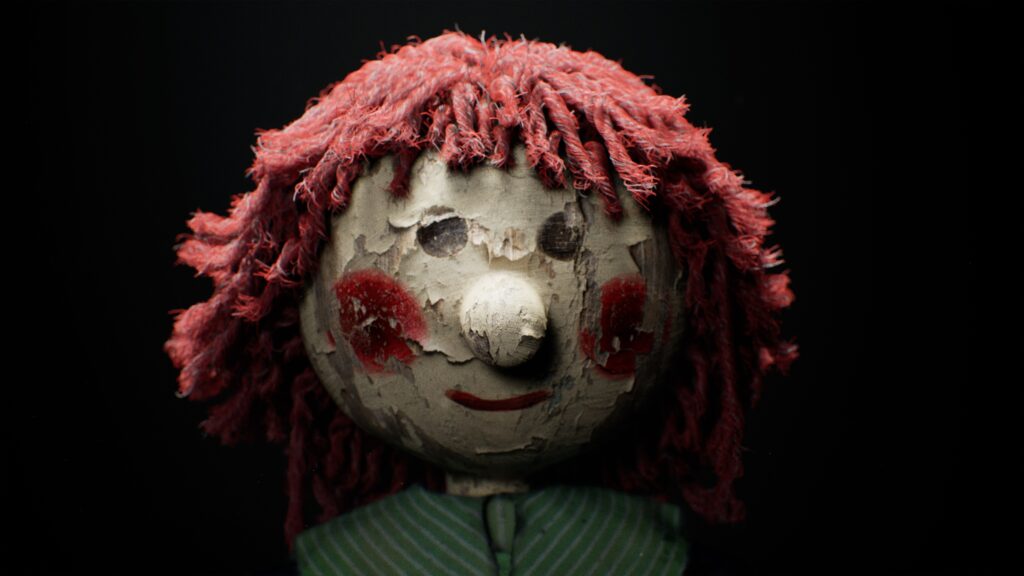
Collaging across media, performance and the archive, two films probe the architectures—material, political, and psychic—that shape Irish identity across borders. From a punative contemporary asylum system to the miasma of surveillance and hostility that shadowed Irish migrants to Britain in the 1970s and 80s, they expose a spectacle of belonging maintained and malformed by its systematic denial.
Run Time
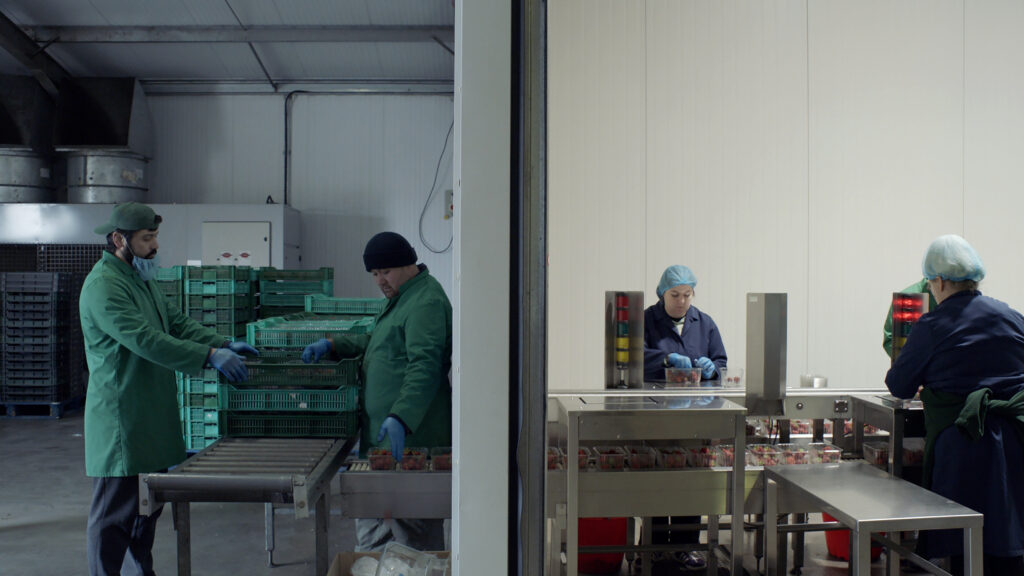
Filmed in Angus, Scotland, Soft Fruit follows migrant seasonal workers on an industrial berry farm as they pick, prepare and transport crops. Candid conversations and scenes of rebellious, collective gathering appear alongside observational footage in shifting visual formats – from high-definition video to 16mm, and CGI inspired by medieval Islamic cosmography – building a layered sense of time and place.
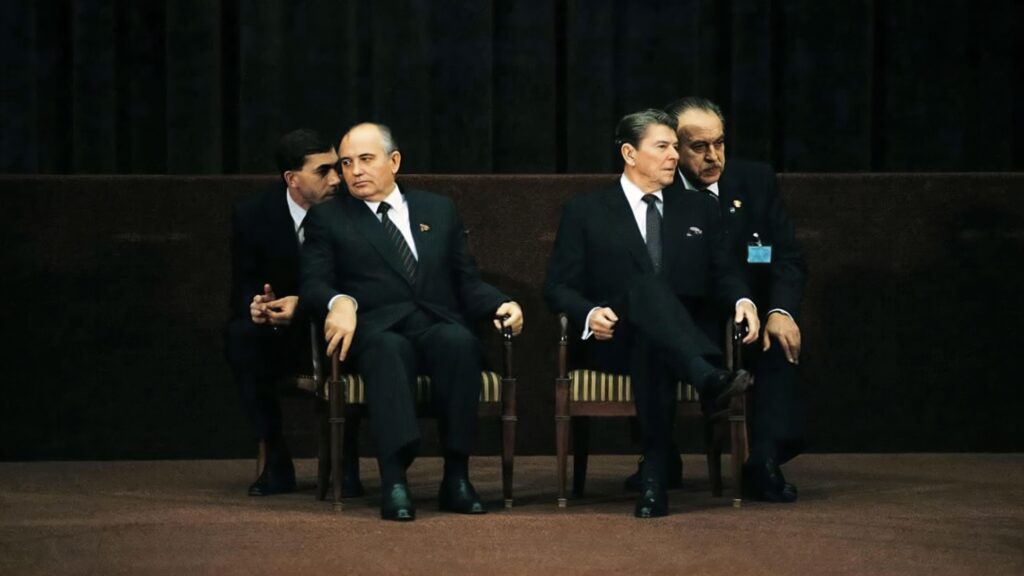

Tracing the fragile, performative labour of communication across political stages and intimate sensory worlds, two films probe how meaning is transmitted, distorted, and sustained through noise.
Run Time
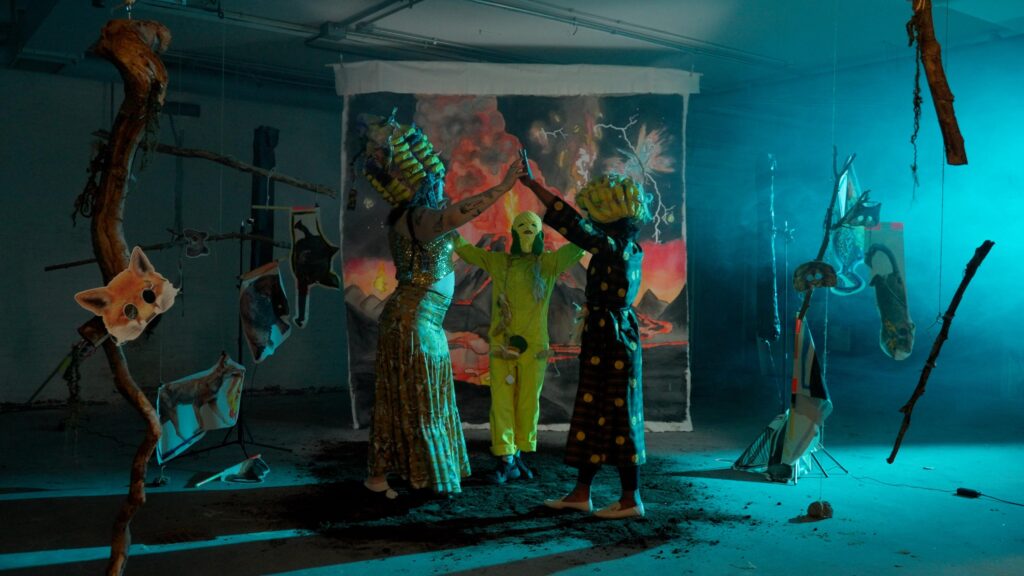
Stemming from Cannach MacBride and Conal McStravick’s research with video and performance artist Mikiki, this programme focuses on Collective Care and Self Care, exploring practices of inheritance, resistance, speculation and survival across generations.
Run Time
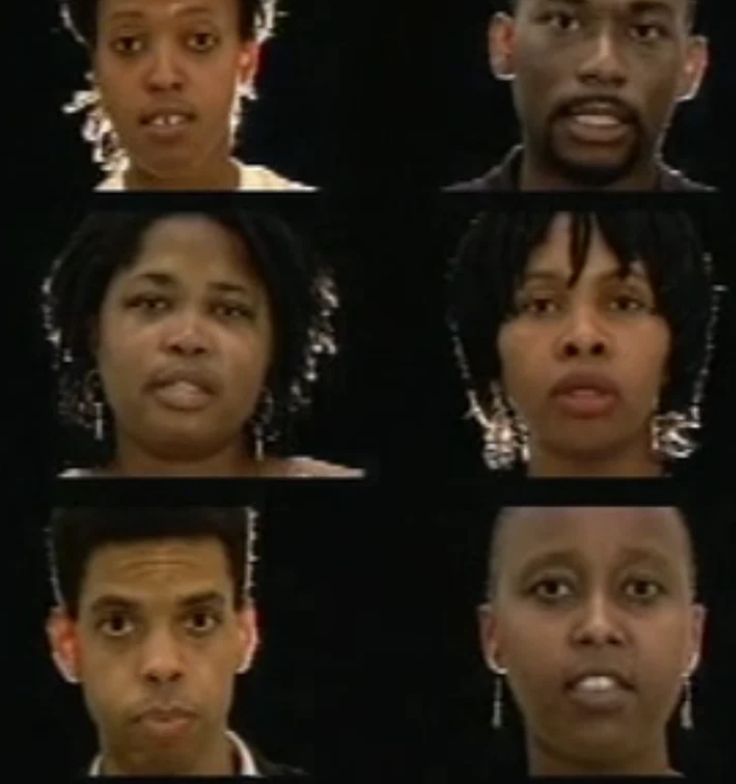
Documenting the landmark 1995 conference on lesbian and gay sexualities in the African diaspora, Shari Frilot’s seminal film captures a charged gathering of scholars, artists, and activists in dialogue. Through the voices of Essex Hemphill, Urvashi Vaid, Isaac Julien, and M. Jacqui Alexander and others, it crystallises a pivotal moment in diasporic queer history – interrogating Black and queer identity, media production, homophobia, and the contested terrain of Black nationalism.
Run Time

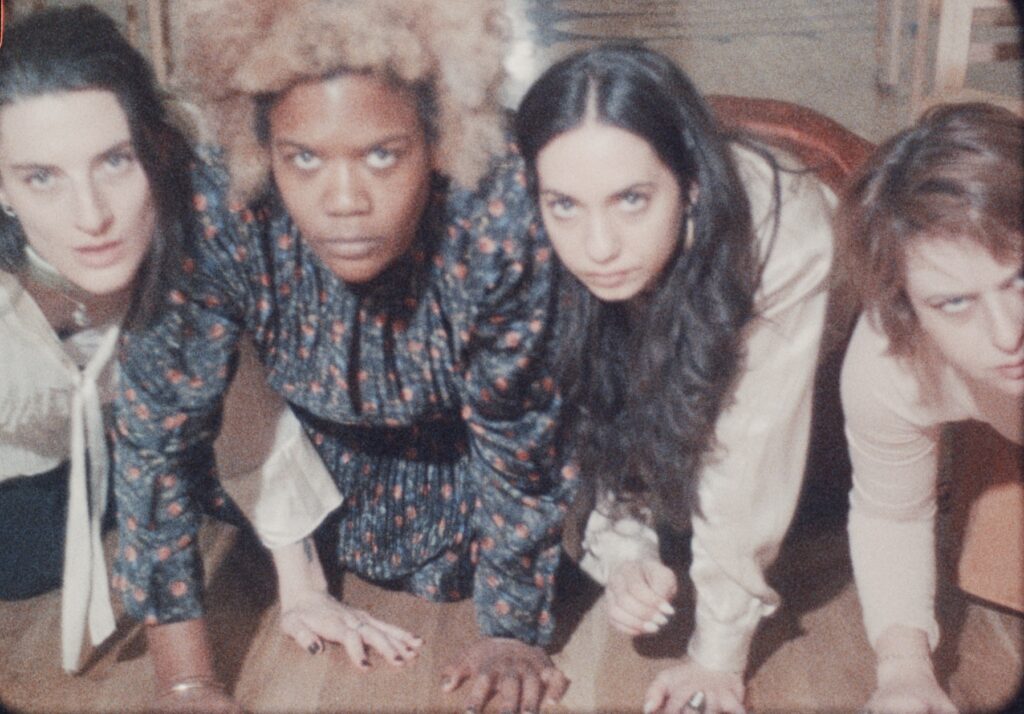


Brooklyn-based artist-writer Ayanna Dozier works across film, performance, and installation using auto-fiction, surrealist, conceptual, and feminist methods.
Her current research and artwork examines how transactional intimacy redistributes care from the private sector into public, social, and political relations.
Run Time


Part one of BFMAF Propositions programme looking at the work of artist, educator and activist Stuart Marshall. Stuart’s work challenged misrepresentations of homosexuality during the AIDS epidemic of the 1980s, subverting and critiquing the prevailing language of television and news media.
Run Time

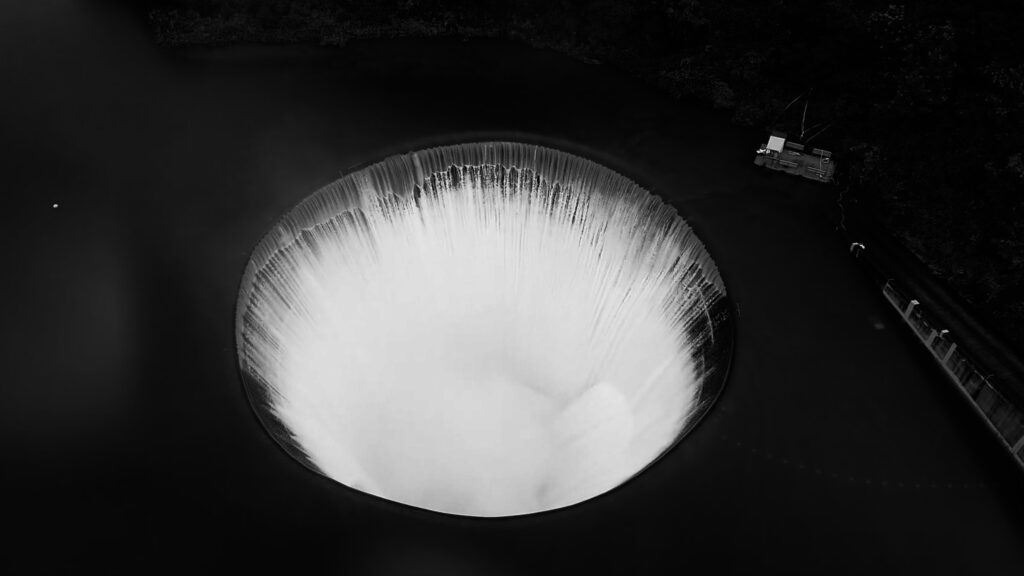
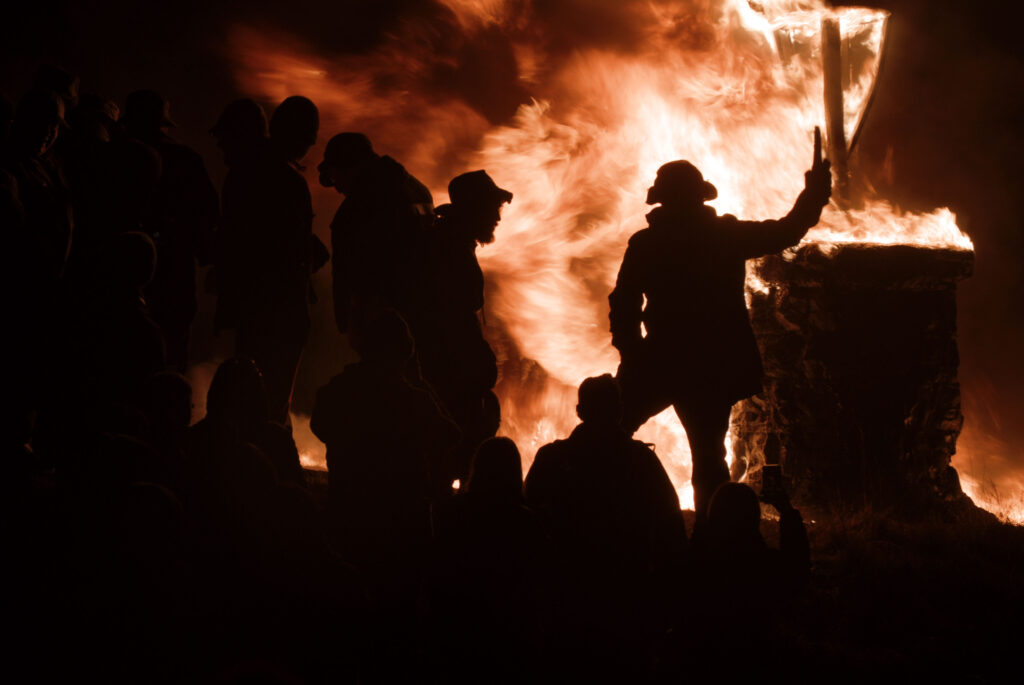
Curated by artist-filmmaker Gail Pickering, Unsettled Grounds brings together works by graduates of the Goldsmiths MA Artists’ Film & Moving Image, each engaging with landscapes in states of transformation—whether shaped by environmental change, personal histories, or industrial decline.
Run Time


Celebrating the work of photographer and filmmaker Marion Scemema through the lens of her close friendship with artist David Wojnarowicz. The screening programme features several of Scemema’s short works, including a newly retrieved and re-edited cut of RELAX BE CRUEL; a seminal document of the Pier 34 warehouse project in New York.
Run Time

Writer and filmmker Philip Rizk is joined by Orsod Malik, Executive Director of the Stuart Hall Foundation, and Mai Taha, Assistant Professor in Human Rights at LSE to explore the work of political philosopher and psychiatrist Franz Fanon through the lens of the region he was radicalised in.

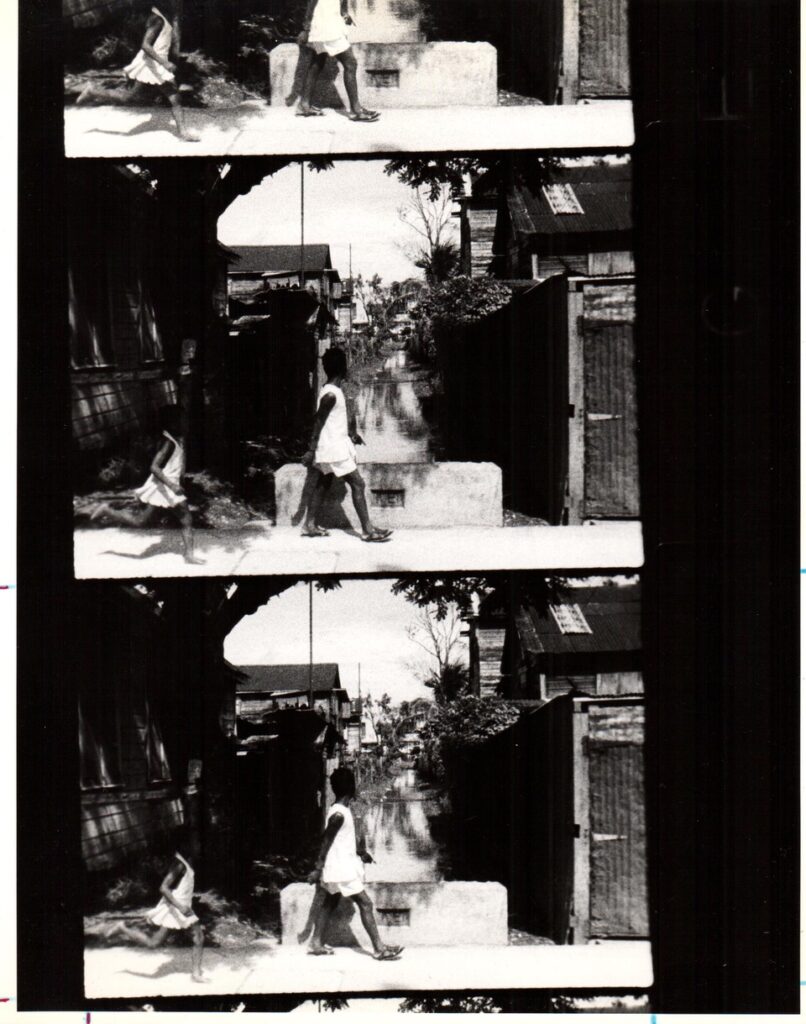
Departing from a time of coloniality shared by foreign and local powers, where overthrowing a regime is not sufficient to break the shackles that bind.
Framed by a screening of the Victor Jara Collective’s seminal work of political documentary The Terror and the Time (1979) and Moustapha Alassane’s irreverant animated satire Bon Voyage Sim (1966)
Run Time
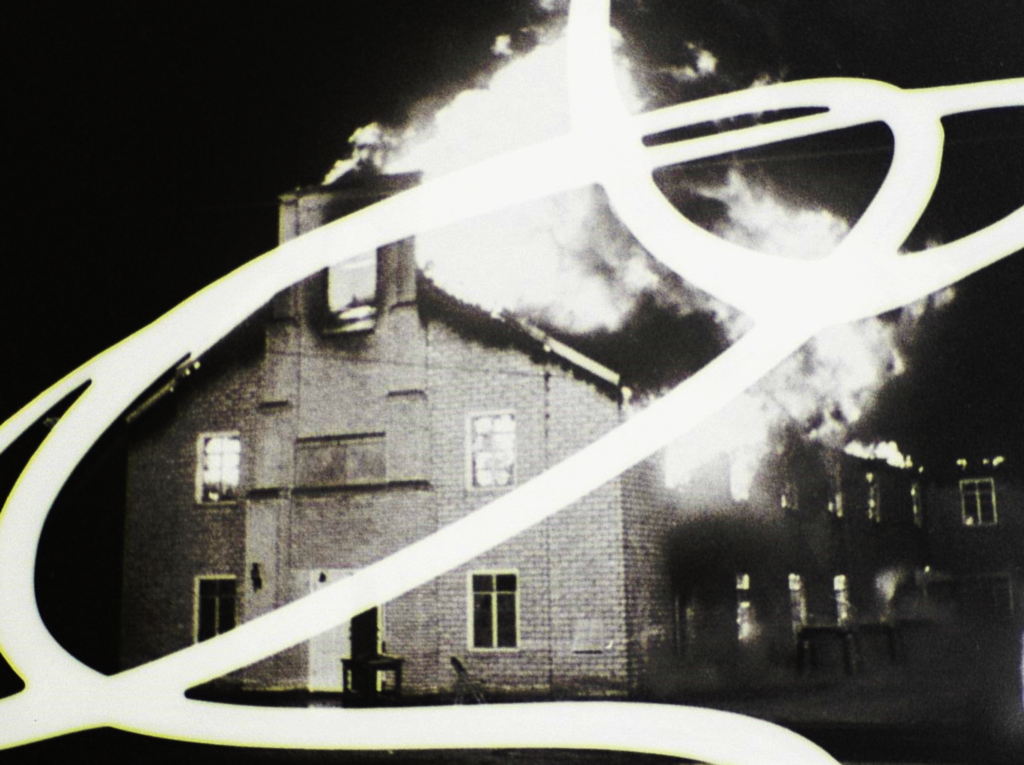
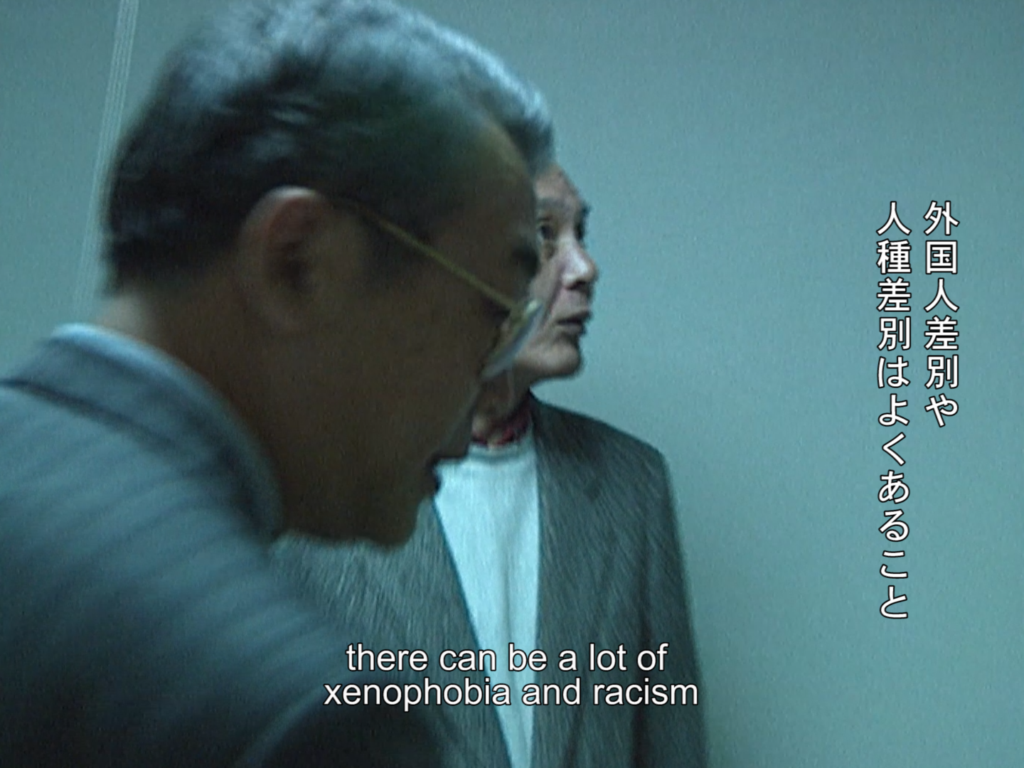
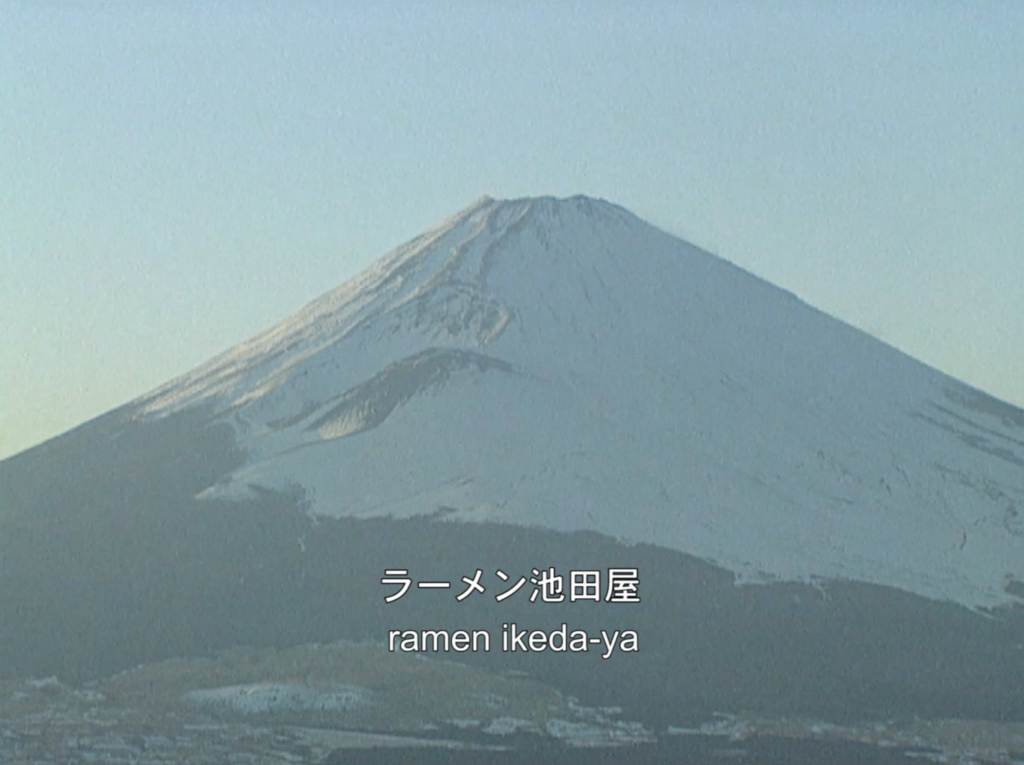
This propositions session features three new works by Morgan Quaintance, bookended by readings from sociologist Laura Harris. Titular film Available Light explores notions of home and belonging in contemporary society. Comprising interviews with workers at the Edo Tokyo Open Air Architecture Museum in Tokyo, and fragments of conversations with renters in that city and London. Seeikokan III and Walking Distance are shorter, ‘miniature’ works produced during the same period of research and production in Tokyo. Filmmaker and translator Chiemi Shimada will lead a Q&A with Quaintance and Harris to conclude the event.

Until his final days, Frantz Fanon was deeply shaken by the murder of his friend Patrice Lumumba carried out in coordination between Belgian and CIA agents and their Congolese partners. Lumumba’s assassination is the founding violence of neocolonialism that ushered in a new era that we still live today.
Framed by a screening of Raoul Peck’s Lumumba: Death of a Prophet (2000)
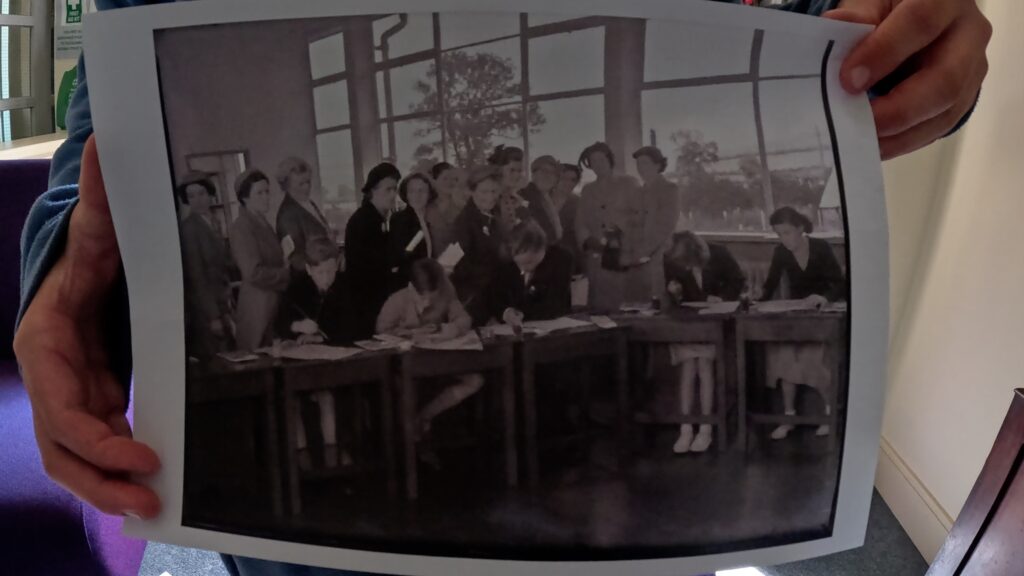
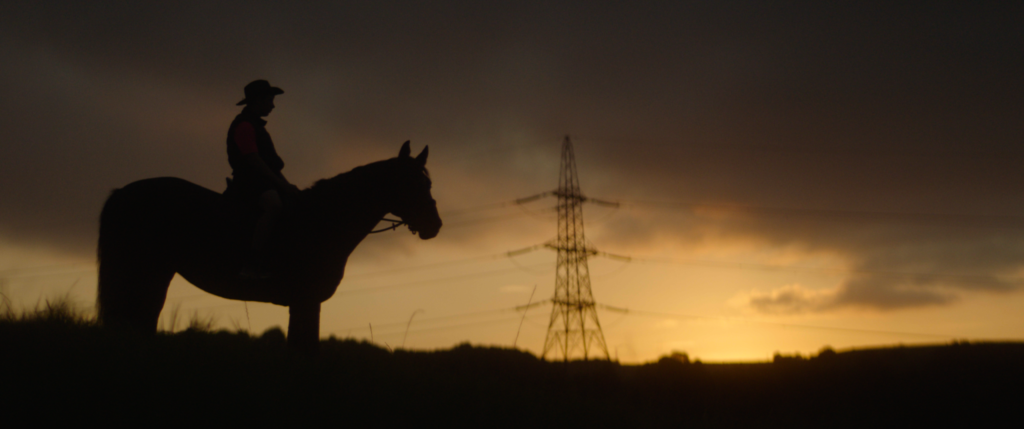
Two participatory art projects from the North East where young people were asked to consider their perception of, and experiences in, local communities in Wooler, Northumberland and Byker, Newcastle. The young artists worked with a filmmaker to explore the rich archives of their local areas, uncovering histories and thinking about their identities in relation to notions of place.
Run Time

The second feature from acclaimed master of Taiwan’s Second New Wave, Tsai Ming-liang, follows three characters sharing a seemingly empty Taipei apartment…


Two powerful, de-centering works from Eri Makihara that challenge the dominance of conventional cinematic forms and representations of disability.
Run Time

An evolving live video essay from Abiba Coulibaly exploring parallels, strains, convergences and ruptures in on-screen encounters between Black and Arab characters, and the off-screen realities from which they emerged.

A song of the seasons in sign language, Makihara’s poetic documentary follows a group of deaf people who create visual musical space through motion and expression. A girl sings wind through the trees, a woman screams her soul to the sky, and a couple’s love ebbs with the rolling waves.