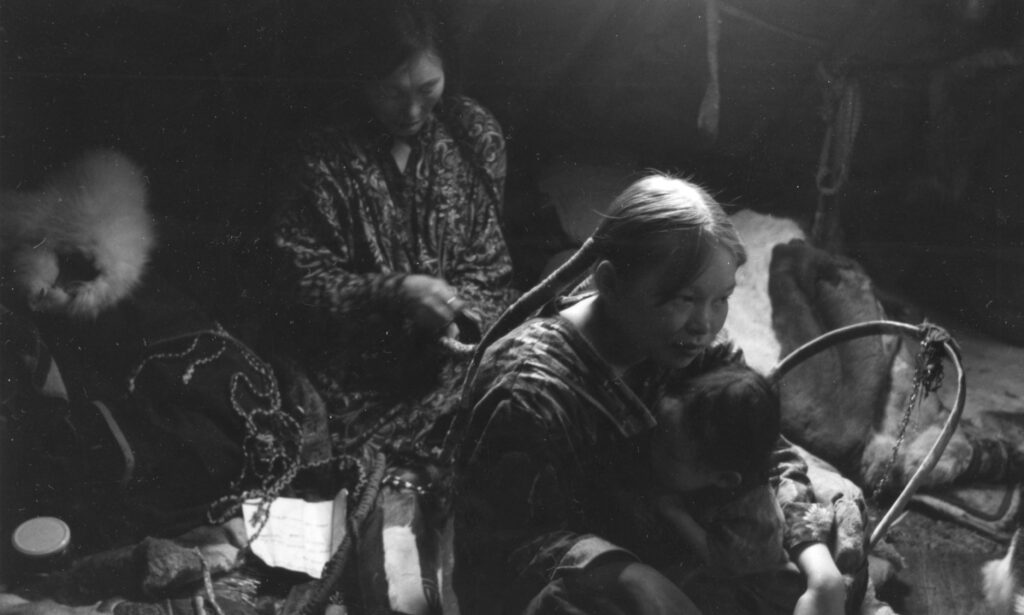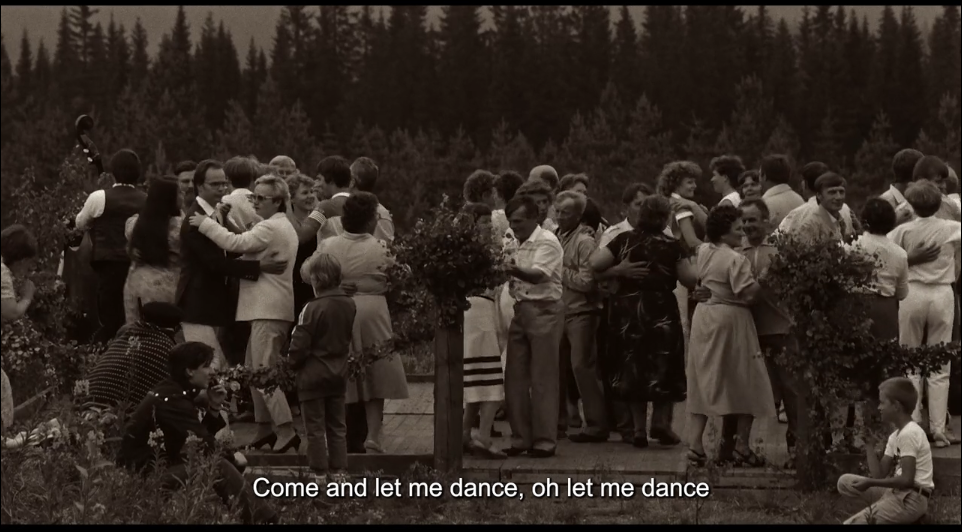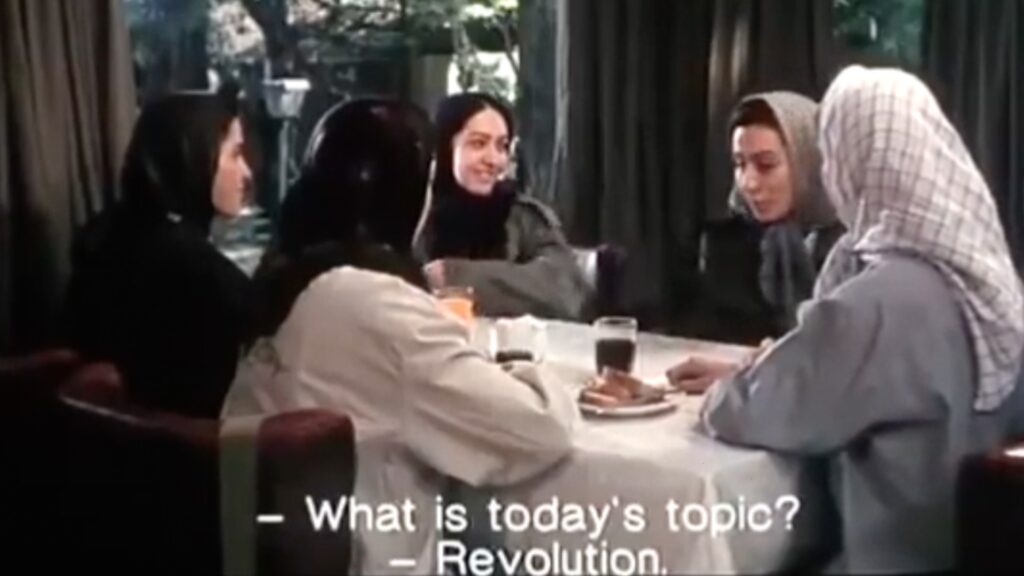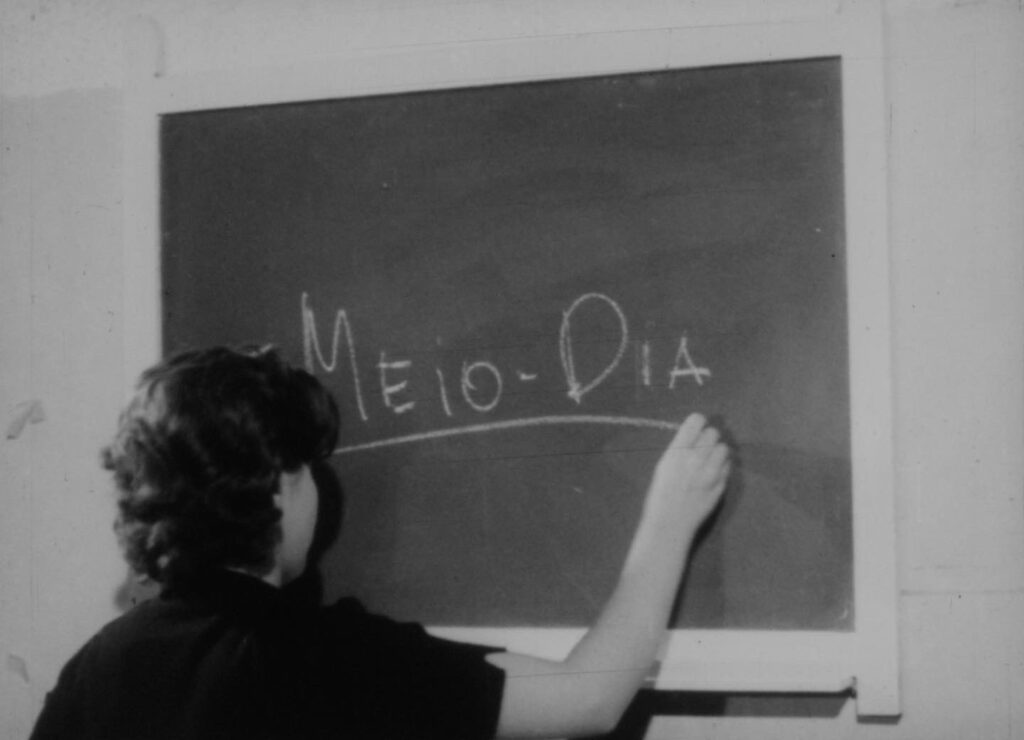

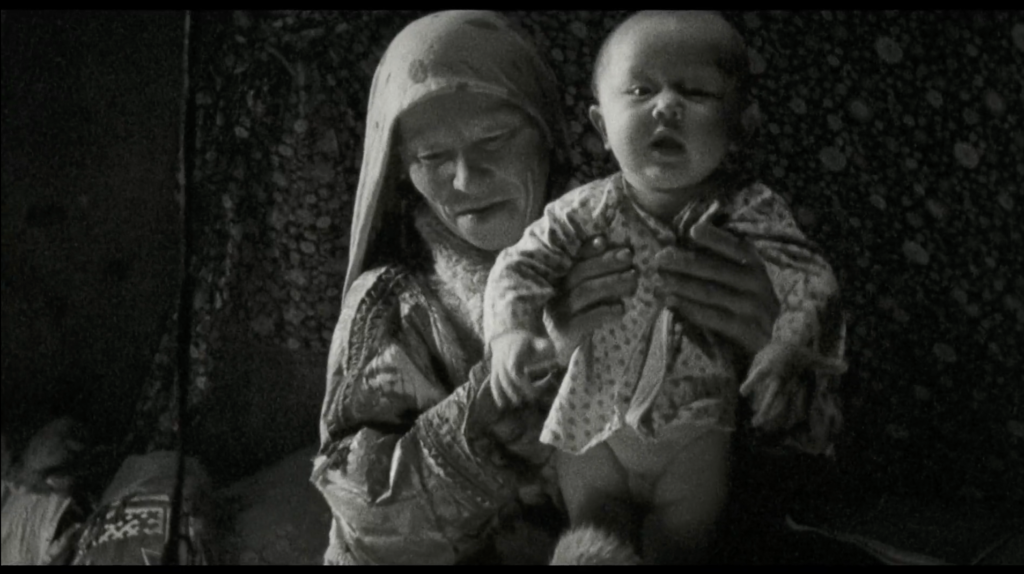
Nedarma (Travelling) is a documentary focusing on the Nenets, a nomadic tribe in the northern tundra of Siberia which Anastasia Lapsui was born into. Sumptuous 35mm black and white cinematography captures the landscapes of the Yamal Peninsula and the daily activities of its inhabitants with patience, a visionary perspective and a captivating soundtrack. The film begins by illustrating the Nenets cosmology as a way of leading into a filmic structure that portrays the arc of life from birth to death.
Programmes
In Inuit, the word meaning to bring forth a poem is the same as the word to breathe – an act that inspires Finnish filmmaker Markku Lehmuskallio’s poetic ethnography, co-directed with his son Johannes Lehmuskallio. A beautifully expansive film centred on performance and the importance of song, Anerca, Breath of life was shot over several decades with the indigenous peoples of the Arctic Circle. People and cultures spanning the borders of Finland, Sweden, Norway, Greenland, Canada, Alaska and Russia, the filmmakers are clear to point out, “It wasn’t these cultures that drew up these borders, rights have been violated.” Speaking against these continued infractions, the film magnificently expresses the joy, pain and energy of these individuals and communities through fleeting, magical moments of performance, conversation and cinema.
An anthology of stories made collaboratively with the Nenets, an indigenous nomadic people of the Russian tundra under modern Communist rule. Beautifully composed from both archive material and cinematography, the film blends fiction and documentary to produce a vivid portrait of Nenets culture as told and performed by the people themselves. As the first feature film made in the Nenets language, Seven Songs makes an important contribution to contemporary indigenous cinema and a timely intervention into continuing calls for decolonization in Russia.
With understated precision, Markku Lehmuskallio’s The Blue Mammy focuses on the sensitive interplay between sound and image while unfurling a story surrounding Joel, a deaf painter who lives in a small village in Lapland. While he has trouble fitting in with the community of people around him, Joel communes with nature and speaks nonverbally with a spirit. The film distils a wealth of provocative ideas—around artistic creation, alternative forms of communication and the importance of the natural world to human animals—into a stunning filmic tone poem.
An in-person screening-performance by award-winning Iranian artist, Maryam Tafakory, whose textual and filmic collages interweave poetry, documentary, archival, and found material.
“To the outsiders, the bystanders, the virtual onlookers, to the disaster capitalist, the hopeless, the failed revolutionist—from wherever you are standing, come a step closer and listen as we try to rewind, to fast forward, to pause, to look away…”
Run Time
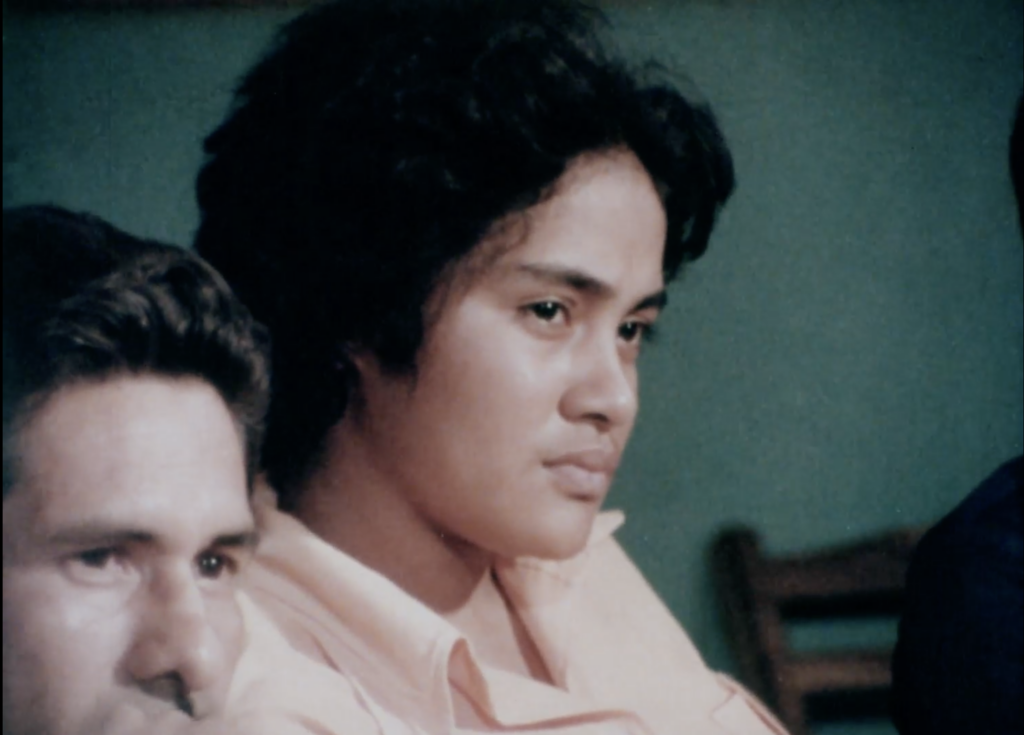
Christopher Ulutupu is an artist of Samoan/Niuean/German descent currently residing in Wellington. Through a richly pop, queer and celebratory Pacific lens he creates new narrative forms opening up conversations around collaboration, connection, and disconnection. The Pleasures of Unbelonging is a new commission presented by CIRCUIT with support from TAUTAI, Creative New Zealand and BFMAF. Following its world premiere screening Christopher will be in conversation with May Adadol Ingawanij, Professor of Cinematic Arts at University of Westminster.
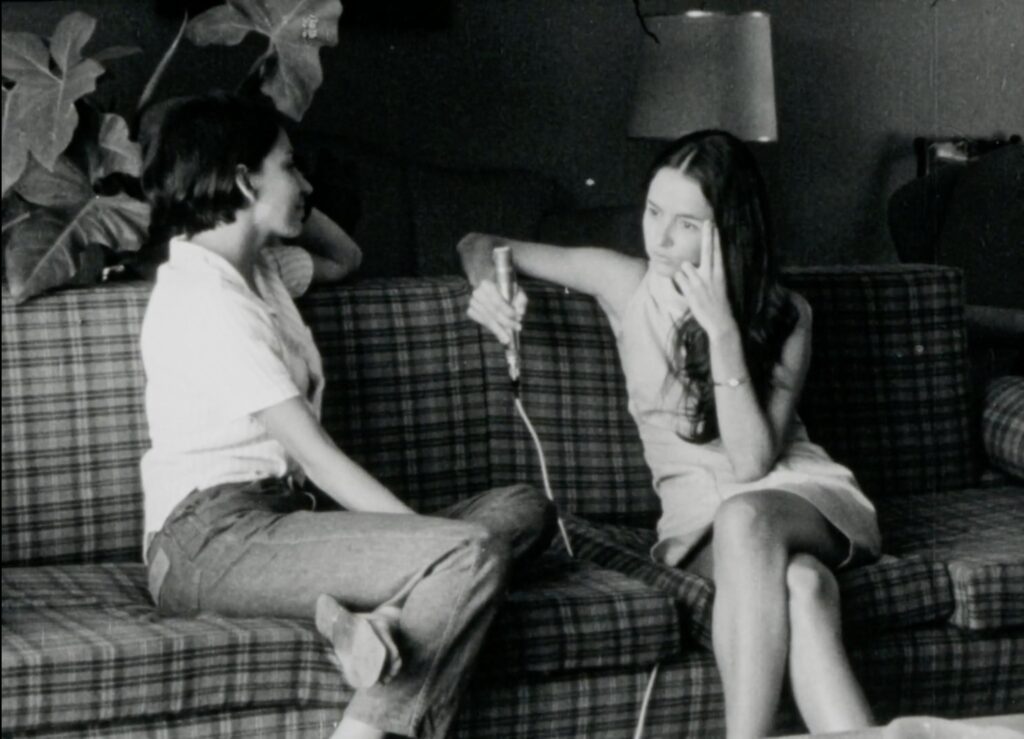
A presentation of Helena Solberg’s debut short films (1966-69) alongside her 1982 feature From the Ashes: Nicaragua Today which brings a multi-layered feminist perspective to a political and societal portrait of the country following the 1979 insurrection that overthrew the Somoza dictatorship. Her shorts, made during one of the most repressive moments of the Brazilian military dictatorship, examine the unliveable conditions experienced by communities under oppression and emphasise women’s agency as active protagonists in the living and telling of their own stories.
Run Time
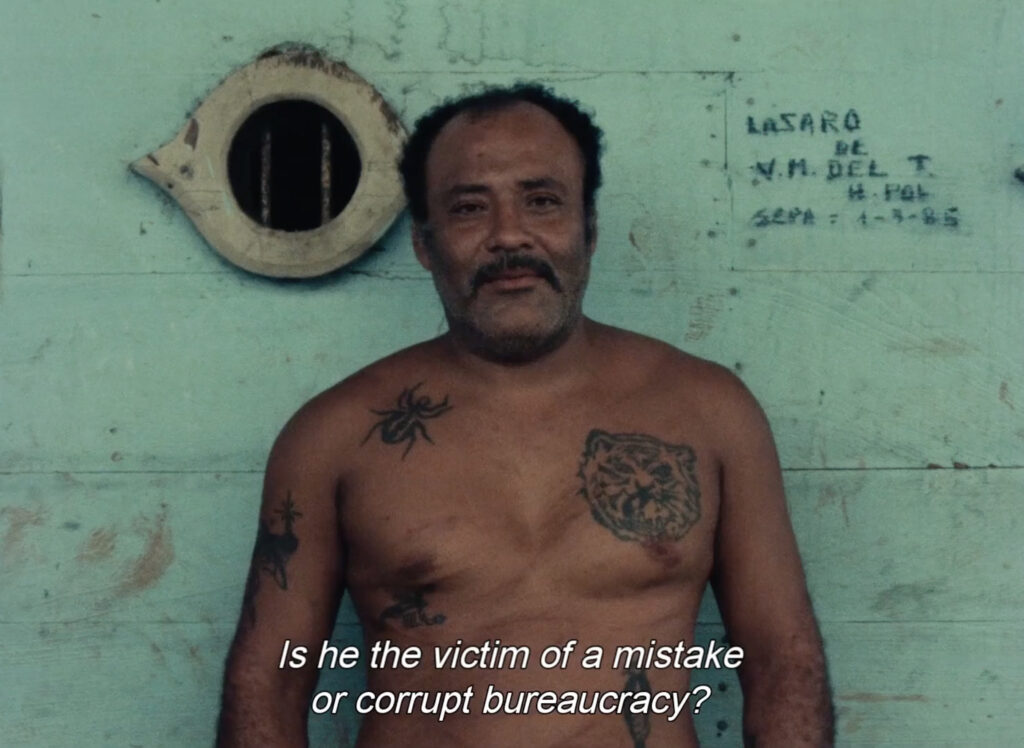
Sepa: Our Lord of the Miracles • After the Dust
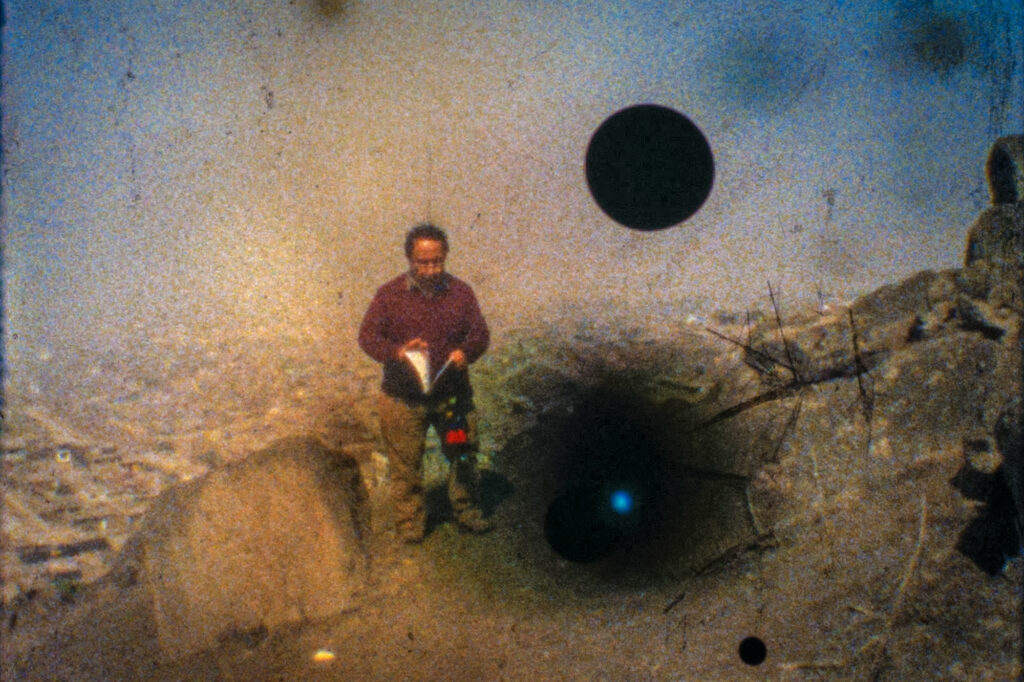
A pairing of films made in Peru exploring the politics and poetics of justice, liberty, remembrance and forgetting. Walter Saxer’s Sepa: Our Lord of the Miracles traces stories of people lost to the enclosed reality of the prison system, whilst Colectivo Silencio’s After the Dust reanimates voices of resistance often-willingly forgotten within the enclosed system of the nation state.
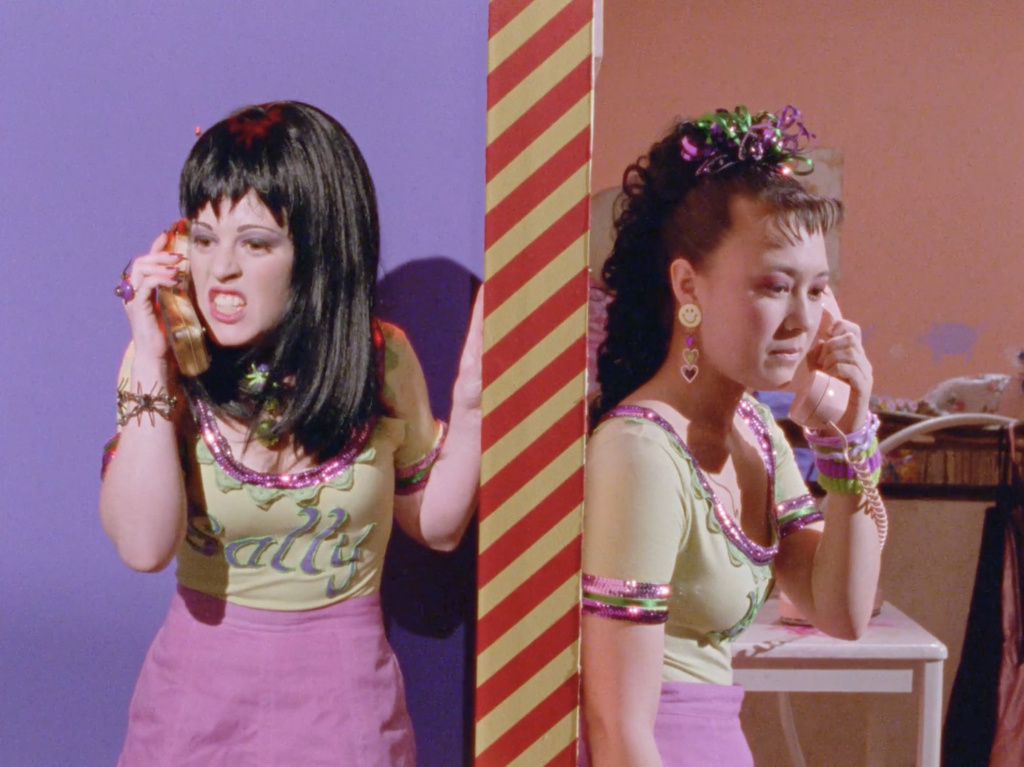
Funny, gross and outrageously over-the-top, Jon Moritsugu’s cult classic is a maximally irreverent slice of early 90s punk culture satirising representations of the Japanese-American family unit. Newly restored from eyeball-scorching Panavision, this is Moritsugu’s Asian freak-out magnum opus that shocked America when it was broadcast on television in the mid-90’s. The director himself plays twins (a drug-dealing bad-ass and a closeted math nerd) in a radically dysfunctional family that completely obliterates the noble myth of the “model minority”.
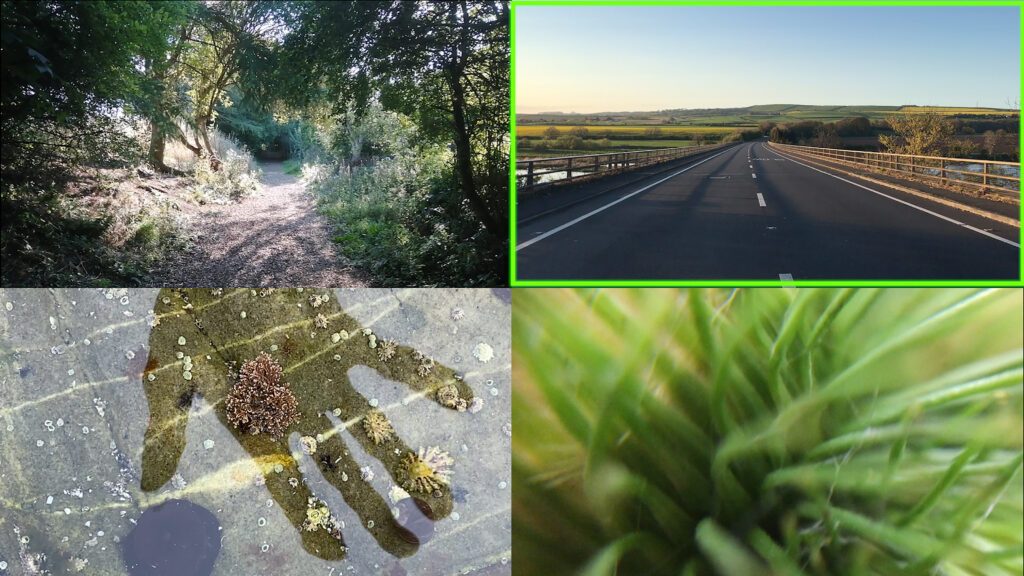
SCREENTIME brings together Everyday Apocalypse (2020) and In10ded Ten: The Fate of The Middle Place (2021), two short films made by young Berwick filmmakers – Kyra, Sam, Jaimee, Ben and Christopher, Ebba, Lara, Violet with Kimberly O’Neil. Through a series of online and in-person workshops, the filmmakers experimented with digital filmmaking and documentary techniques to produce films exploring the relationship between people, technology, and the local environment.