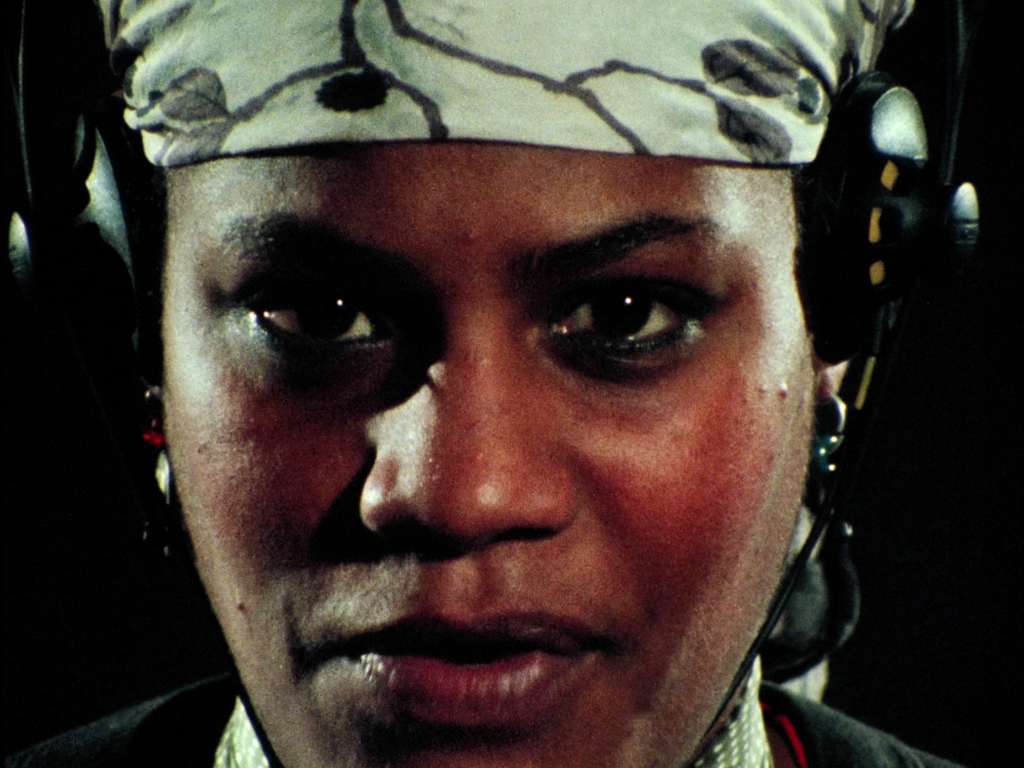
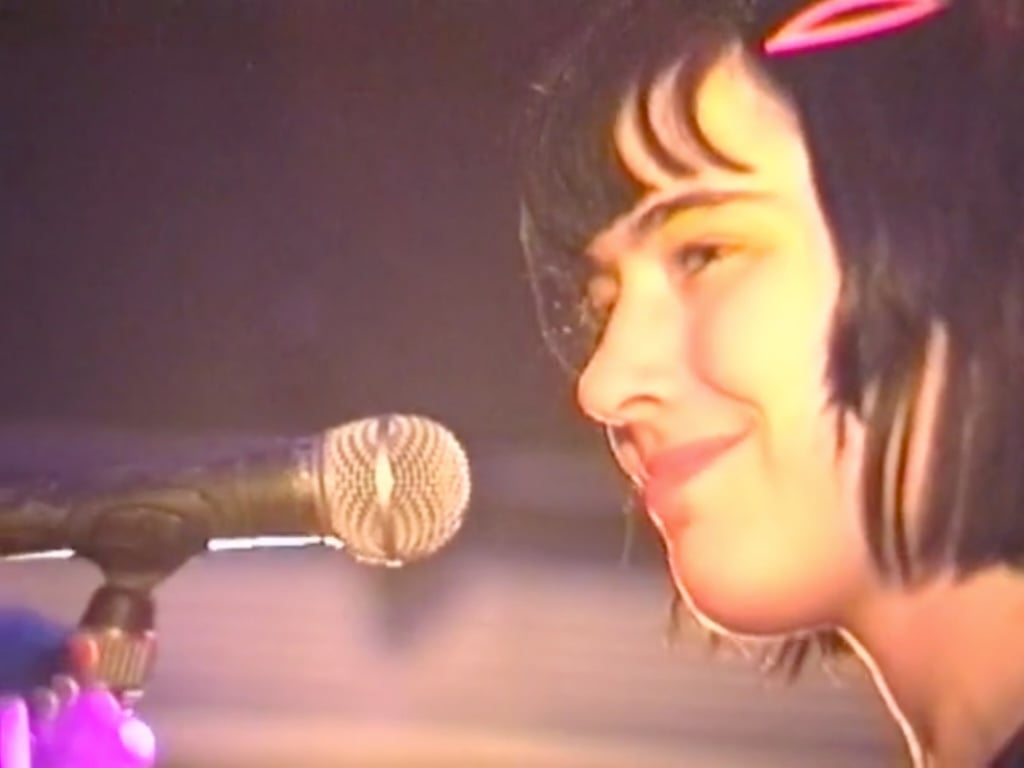
This film screening, programmed by BFMAF with filmmaker and writer Val Phoenix, explores feminist DIY punk in the late 20th century. The films in this programme share experiences and visions of women who created alternative spaces, scenes, zines and took to the stage to challenge conventions of beauty and gender within the punk scene, as well as issuing a challenge to the wider world. Food will be provided by Dewa’s Sri Lankan Delights at 5pm.
DATE
19 September, 17:00 – 20:45
LOCATION
St Aidan’s Peace Church
Run Time
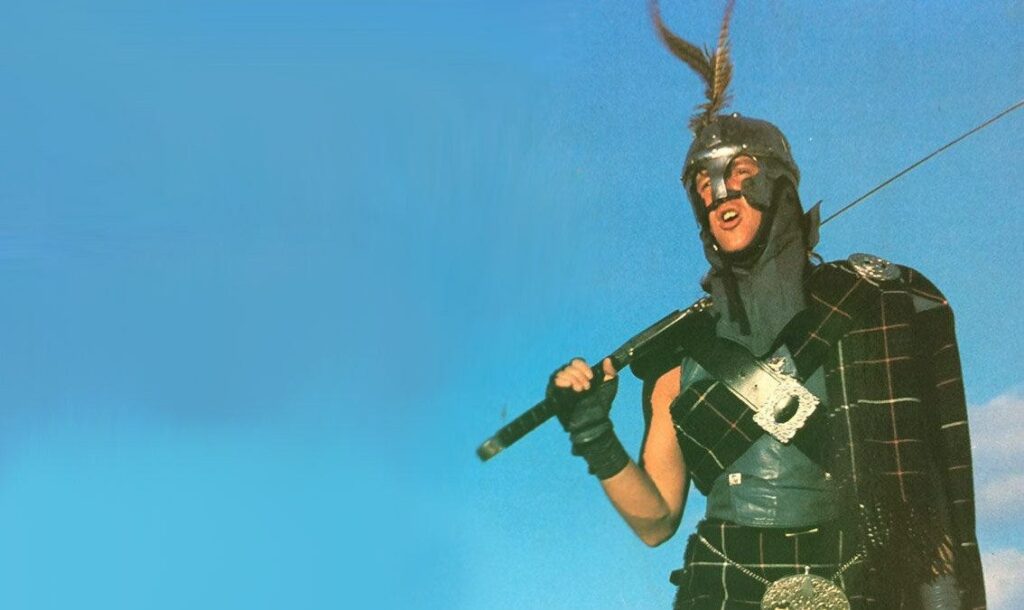
A kilted warrior crowns the New York skyline in this joyous tribute to Jesse Rae, a musician from the Scottish Borders who plugged into the electric current of Parliament-Funkadelic. From bringing 80s NYC to a standstill atop the Brooklyn Bridge to shaping seminal hits like Inside Out, Rae fused tartan swagger with transatlantic groove to craft a mythic, pluralist vision of Scotland in the key of funk!
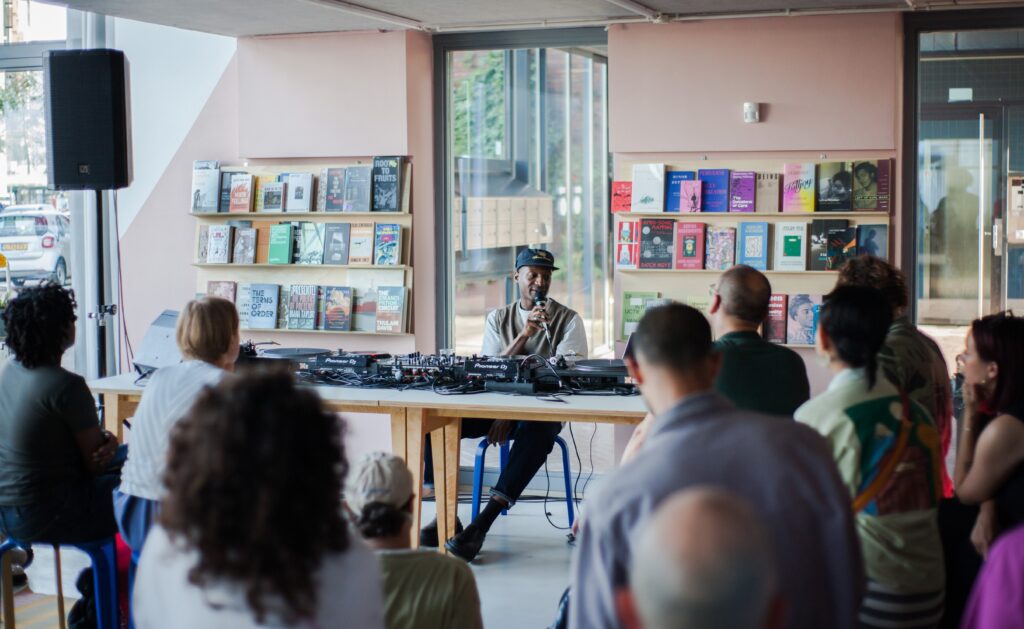
Dub Epistemology is a series of hybrid talks and live audio essays by Ashley Holmes that treat sound as both archive and method—foregrounding movement, repetition, and re-performance as tools to imagine histories that circulate, mutate, and persist through listening, replay, and versioning.
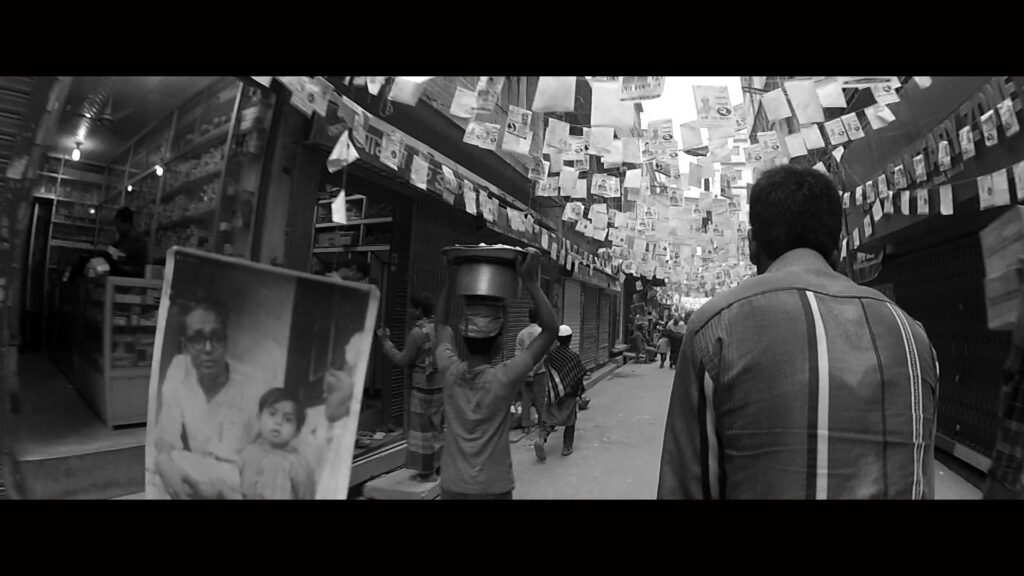
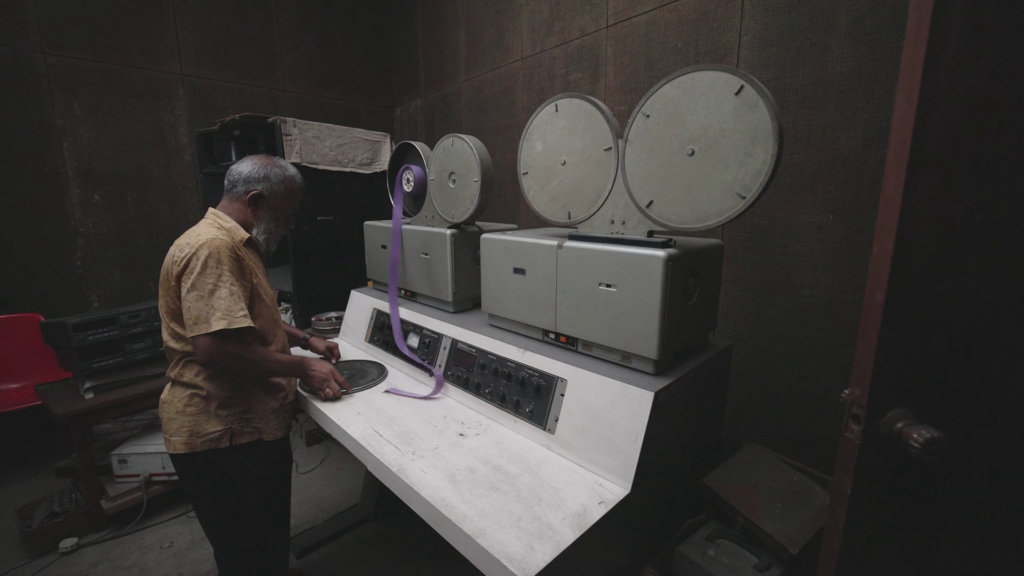
Spanning Partition to contemporary Bangladesh, this programme journeys through fractured homes and unfinished films to ask how history lingers in bodies, cities, and celluloid. Between memory and the archives, the works trace disappearance, displacement, and the stubborn afterlives of images in the face of erasure.
Run Time
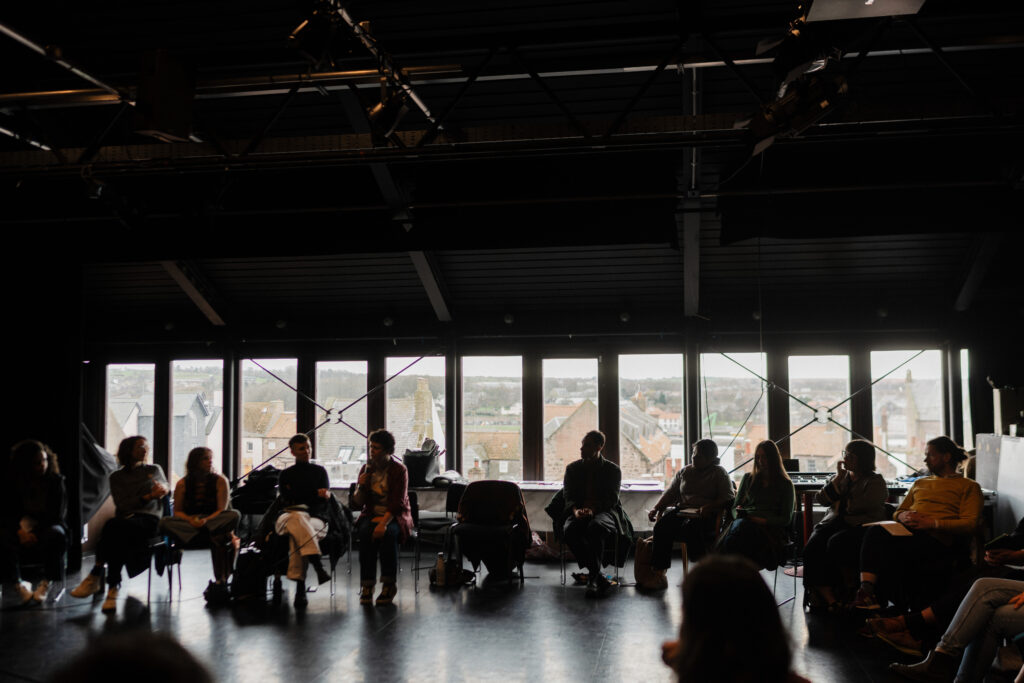
Educator and social theorist Tom Campbell joins us for a dynamic conversation on how disability is produced and reshaped by the transformations of modern society. Drawing on his forthcoming book Disablement in the Age of Ambivalence, Campbell mobilises Zygmunt Bauman’s concepts of solid and liquid modernity to unpack the shifting forms of power, exclusion, and moral indifference that structure disabled lives today.
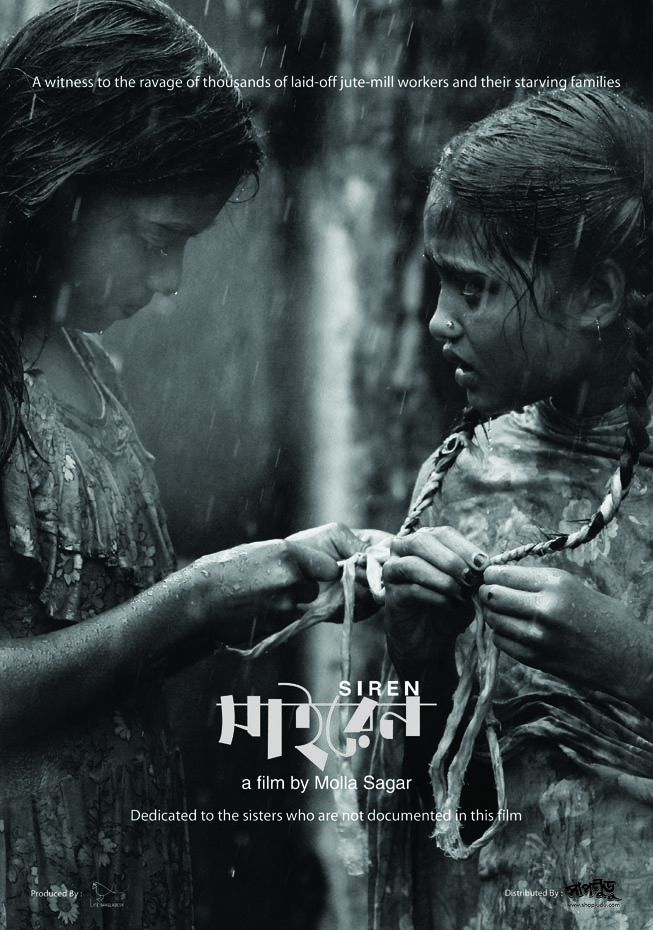
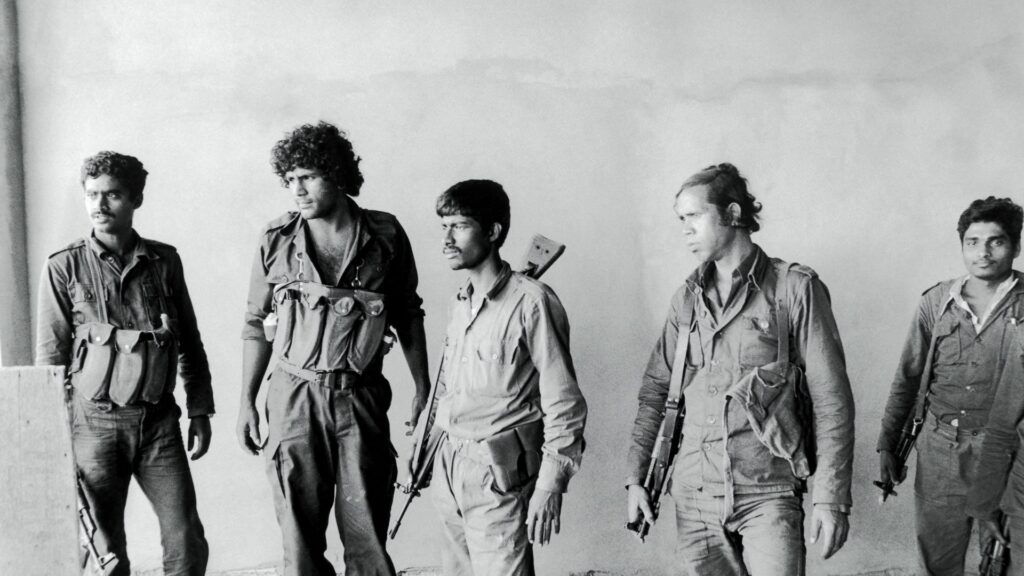
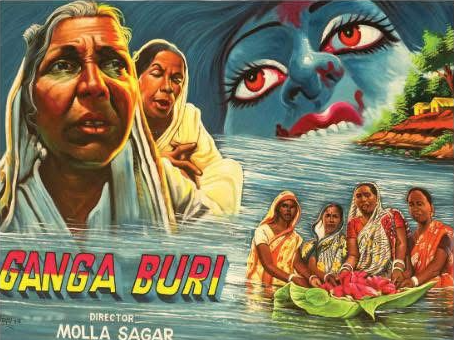
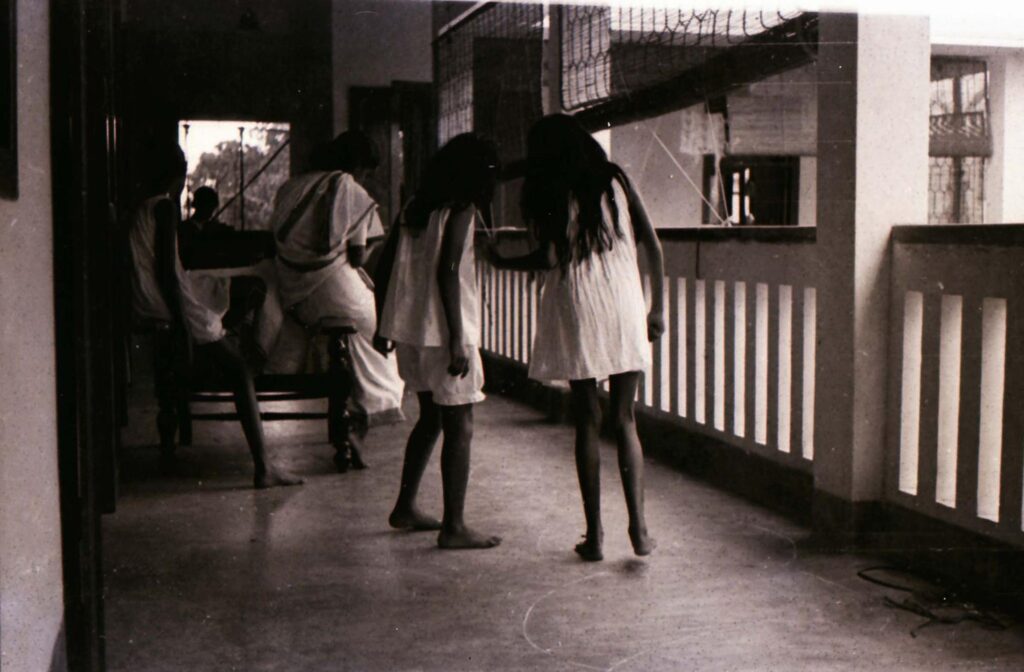
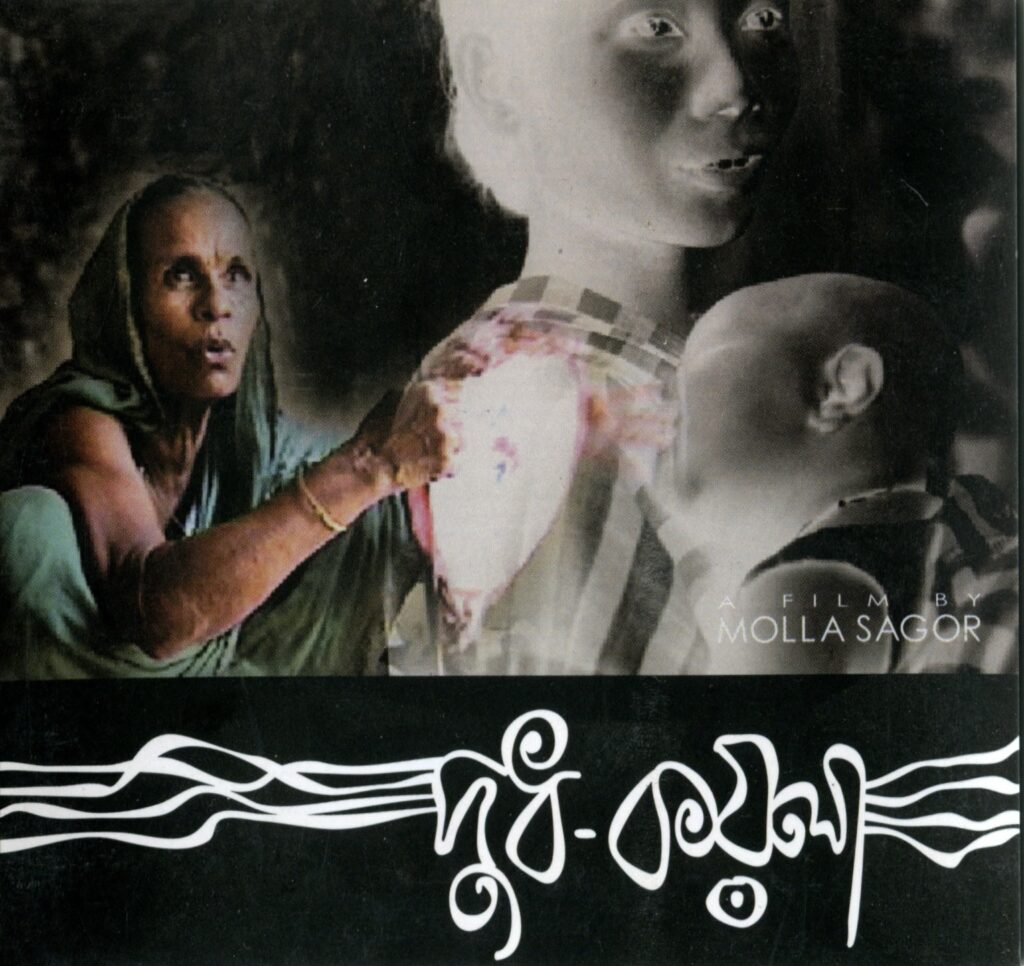
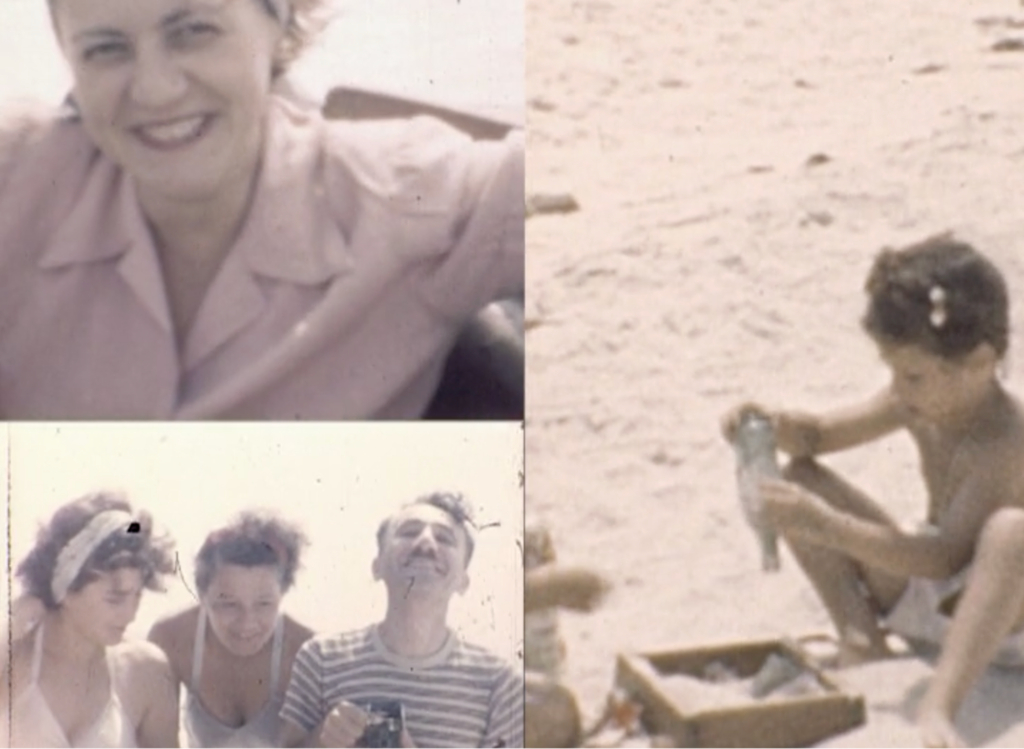
Intimate portraits of everyday life and struggle in Bangladesh speak together with playful, inter-textual vignettes exploring the confluence of autobiography and radical history. Together, Naeem Mohaiemen and Molla Sagar‘s films trace how personal memory and political upheaval collide, overlap, and refract across generations.
Run Time
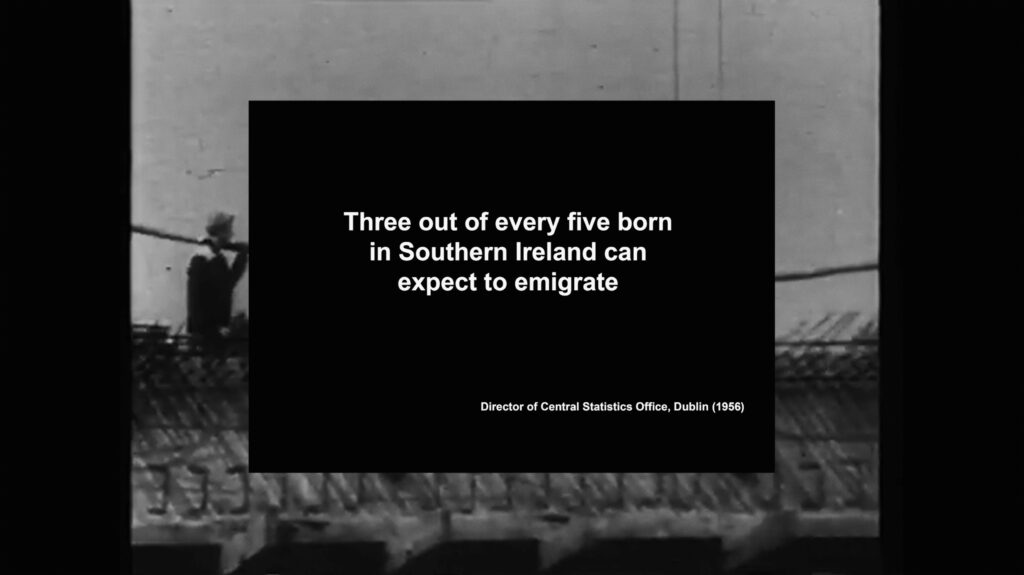
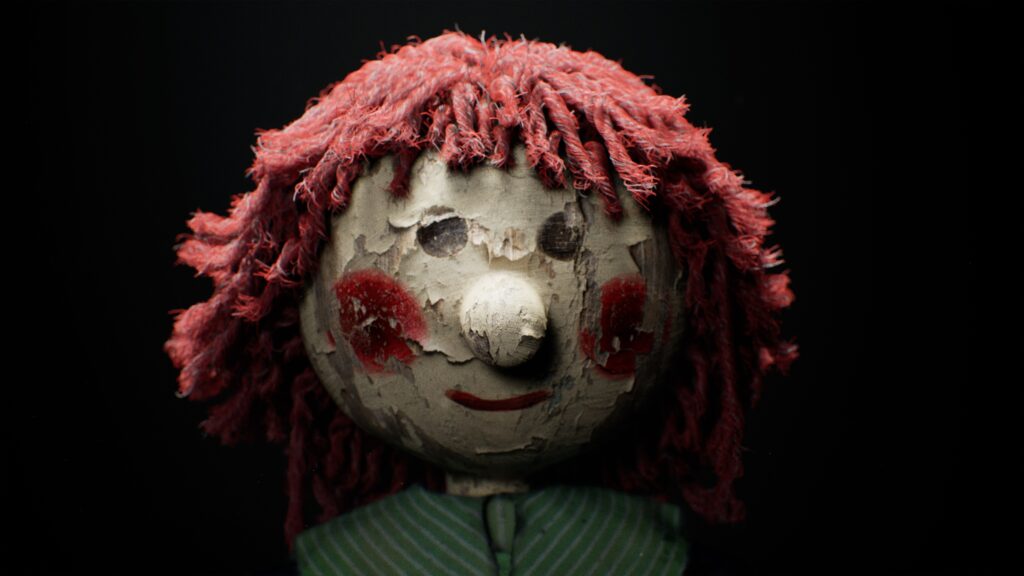
Collaging across media, performance and the archive, two films probe the architectures—material, political, and psychic—that shape Irish identity across borders. From a punative contemporary asylum system to the miasma of surveillance and hostility that shadowed Irish migrants to Britain in the 1970s and 80s, they expose a spectacle of belonging maintained and malformed by its systematic denial.
Run Time
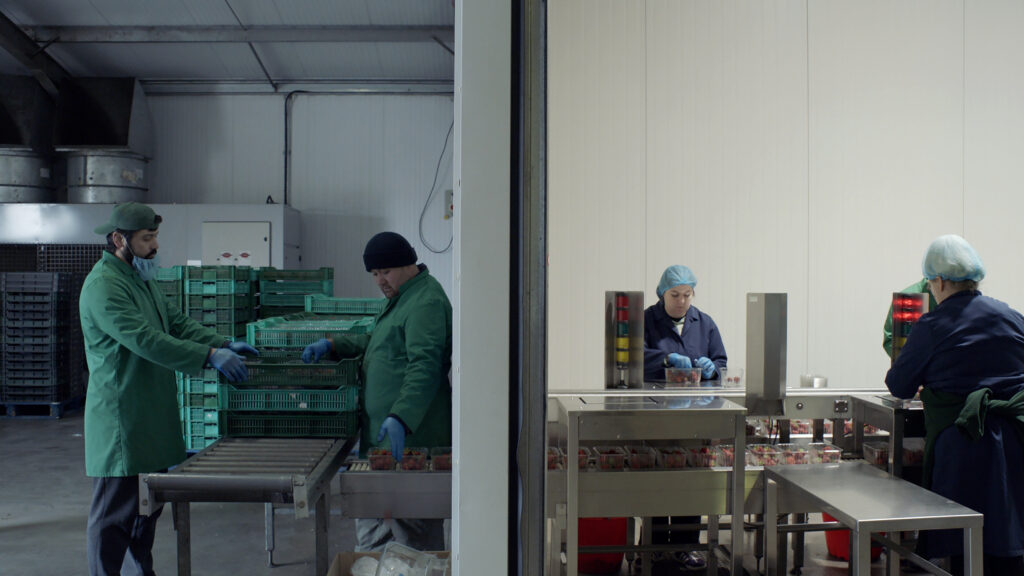
Filmed in Angus, Scotland, Soft Fruit follows migrant seasonal workers on an industrial berry farm as they pick, prepare and transport crops. Candid conversations and scenes of rebellious, collective gathering appear alongside observational footage in shifting visual formats – from high-definition video to 16mm, and CGI inspired by medieval Islamic cosmography – building a layered sense of time and place.
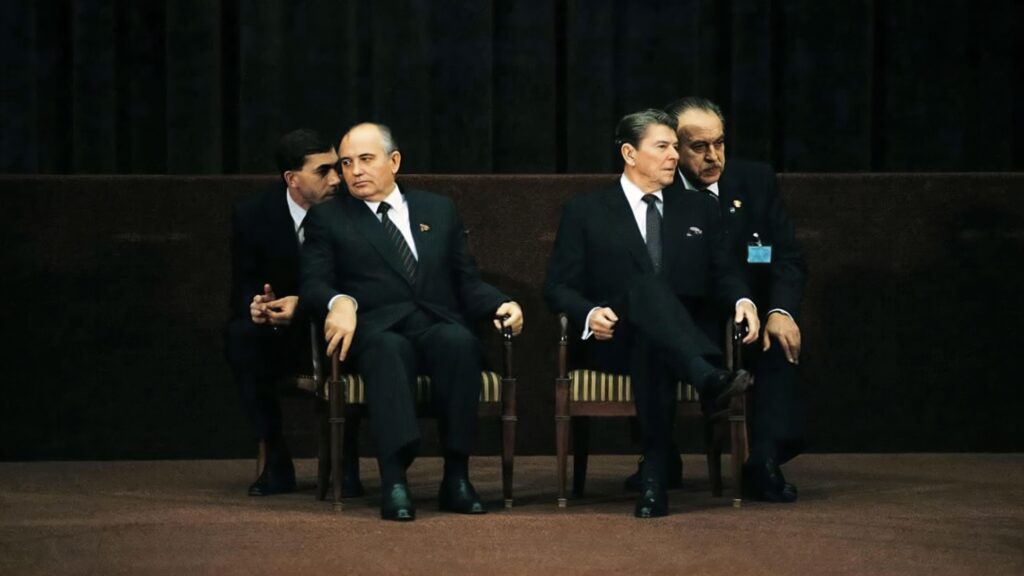
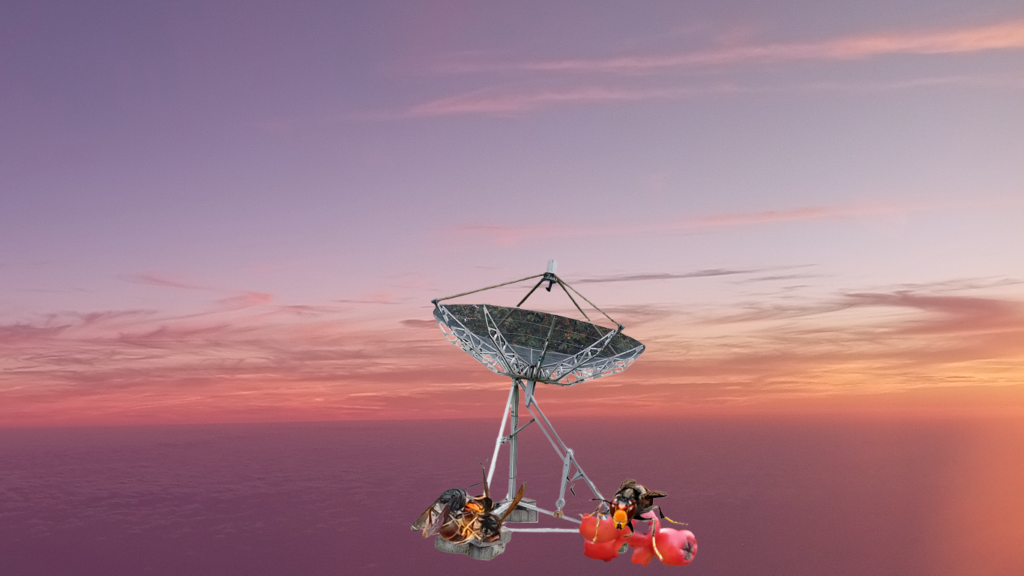
Tracing the fragile, performative labour of communication across political stages and intimate sensory worlds, two films probe how meaning is transmitted, distorted, and sustained through noise.
Run Time
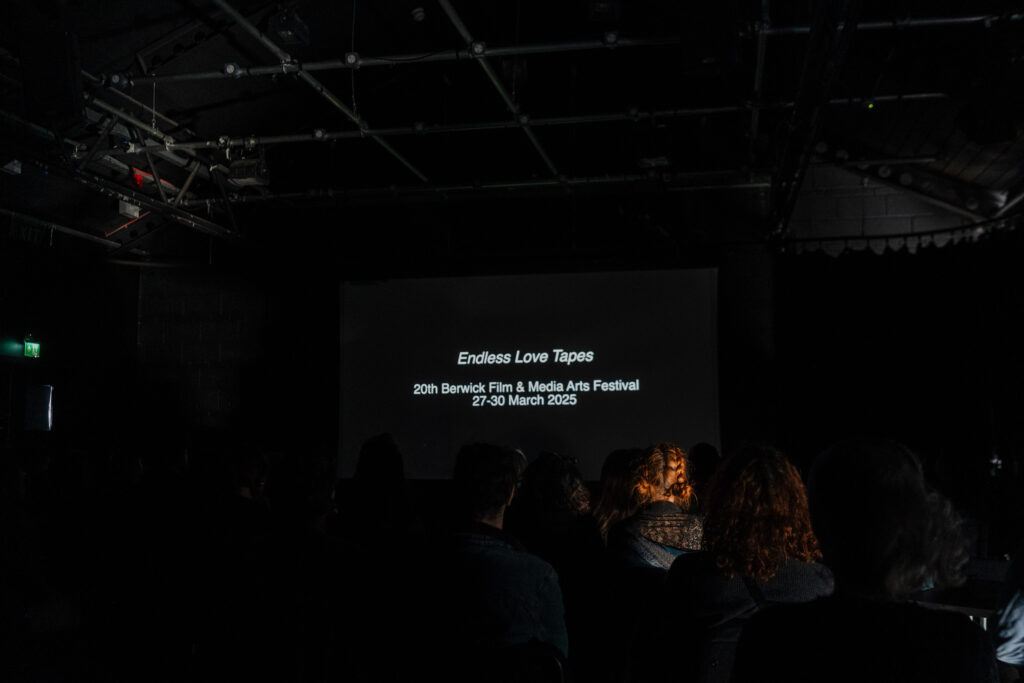
Love Tapes – Berwick Film & Media Arts Festival
Made as part of ‘Endless Love Tapes’ a collaboration between Wendy Clarke and Kim Coleman that asks, “What tools will allow a participatory video project like this, which began in the 1970s, to continue indefinitely?”

Water, labour, migration and diasporic memory coalesce in a transporting essay film connecting Jamaica and the UK.

just above the tear duct on each side
A critical look at the evolution of Irish psychiatric institutions across the 20th century, examining the confluence of carceral, therapeutic and socioeconomic incentives that determined their influence.
In nobody’s word Taylor digitises and disintegrates the family archive in order to reframe accounts, destabilise claims and inhabit spaces between fact and fiction, questioning the narrative impulses that inform the stories we tell.
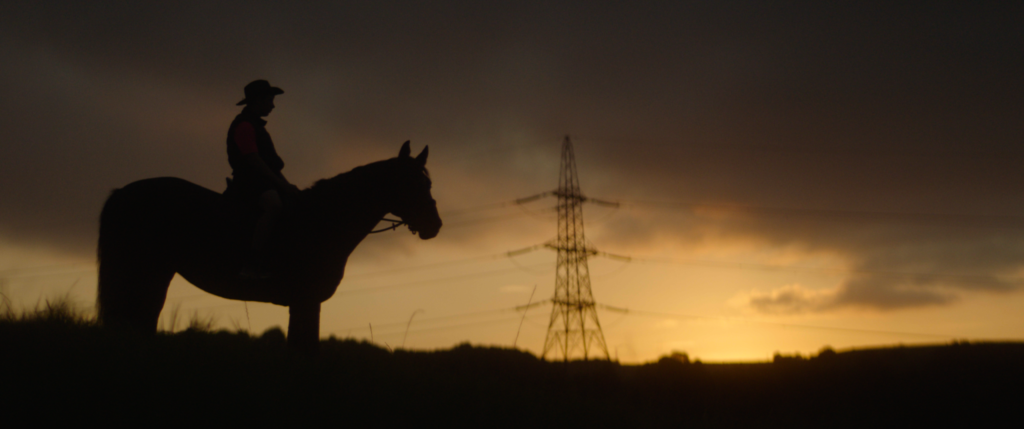
A film, installation, and exhibition by artist and filmmaker Harry Lawson, created in collaboration with young inner-city horse riders from Stepney Bank Stables in Newcastle. Reimagining Byker as the Wild West, the project blurs the line between fact and fiction, weaving together recontextualised iPhone footage shot by the riders, archival material from the North East Film Archive, and Lawson’s own cinematography.
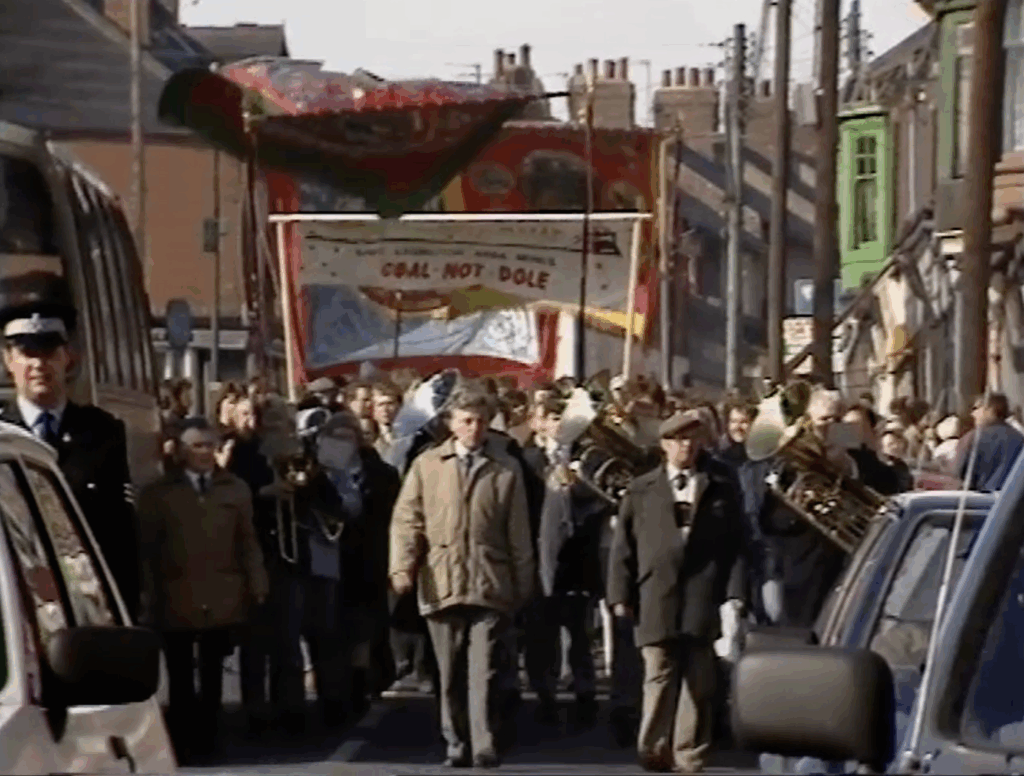
For Berwick Heritage Open Days, explore the themes of our latest Film Library exhibition Miners’ Weekend School (1984) with a film documenting the same period of struggle and solidarity. Screening followed by a discussion.
Run Time
Our current Vertical Screen Commission is If One Of Those Dots Stopped Moving Forever by Uma Breakdown. Catch the 3 min film through the window of The Burr of Berwick on 22 Bridge Street.
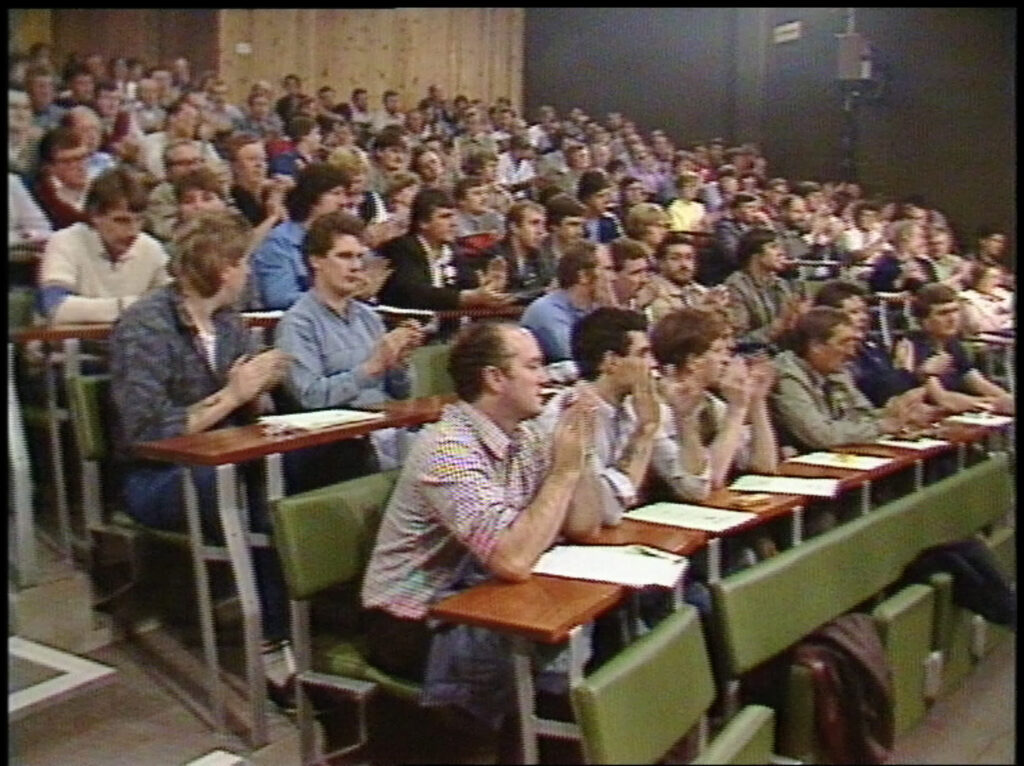
Miners’ Weekend School (1984) is a six-part documentary produced by Amber Films’ Current Affairs Unit during the 1984–85 Miners’ Strike.
Our current Vertical Screen Commission is I’ve been trying to reach you by Anna Chapman Parker and Lyndsay Mann. Catch the 4 minute film through the window of The Burr of Berwick on 22 Bridge Street.

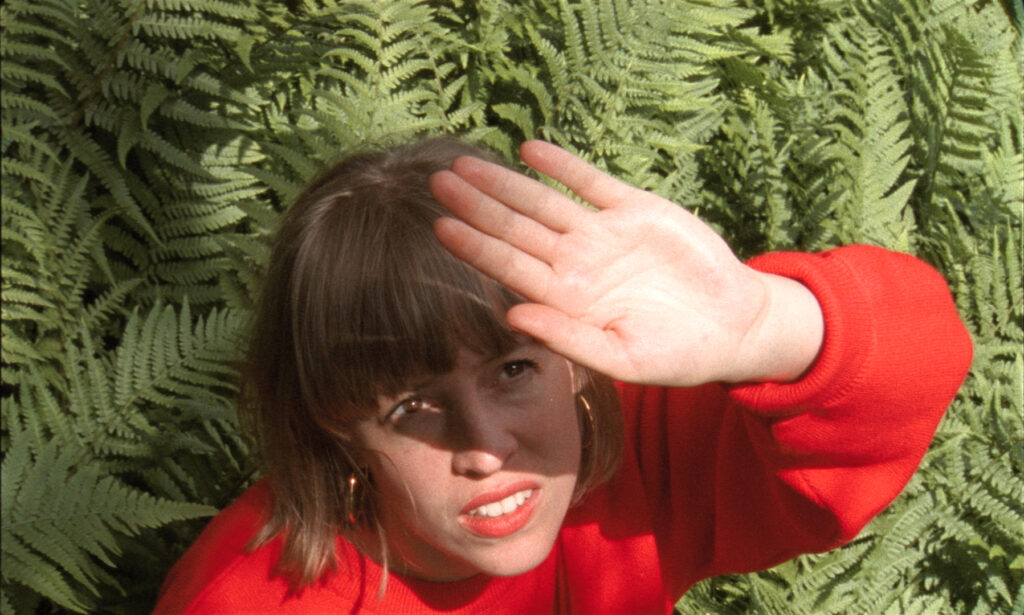

A programme of new cinema inspired by the hallucinogenic properties of flowers, archival dissonance, and tales of a grumpy entity who talked only because it could not growl.
Run Time


Part one of BFMAF Propositions programme looking at the work of artist, educator and activist Stuart Marshall. Stuart’s work challenged misrepresentations of homosexuality during the AIDS epidemic of the 1980s, subverting and critiquing the prevailing language of television and news media.
Run Time

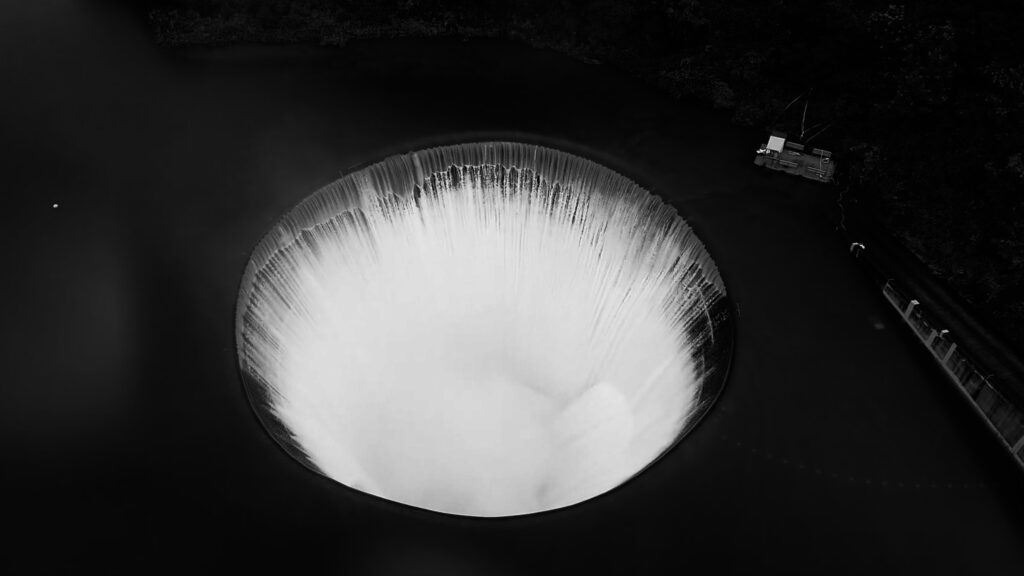
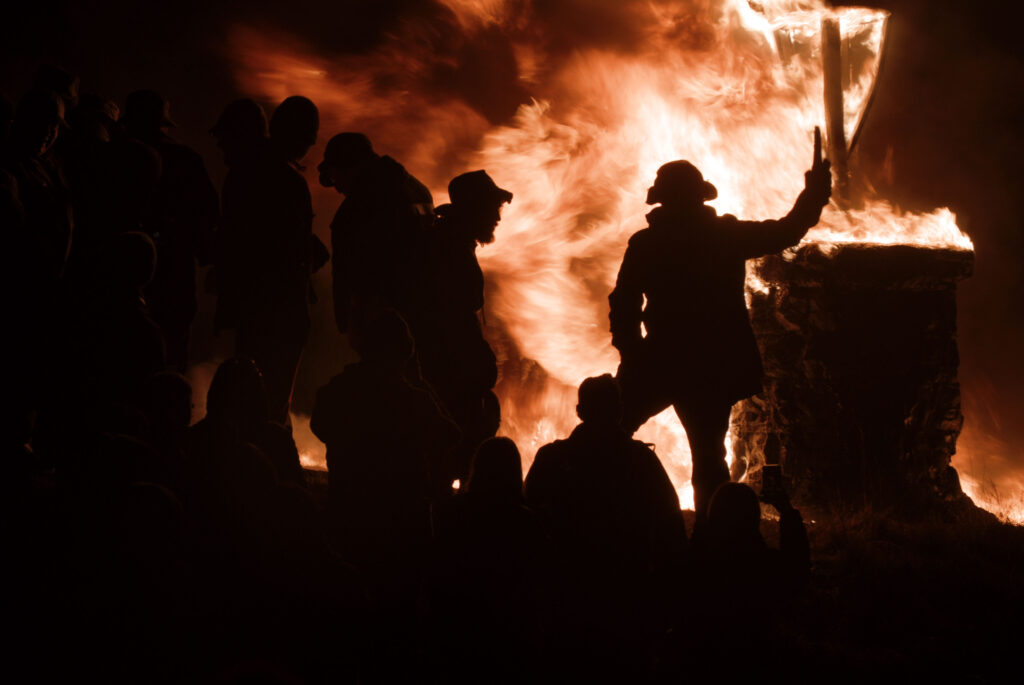
Curated by artist-filmmaker Gail Pickering, Unsettled Grounds brings together works by graduates of the Goldsmiths MA Artists’ Film & Moving Image, each engaging with landscapes in states of transformation—whether shaped by environmental change, personal histories, or industrial decline.
Run Time

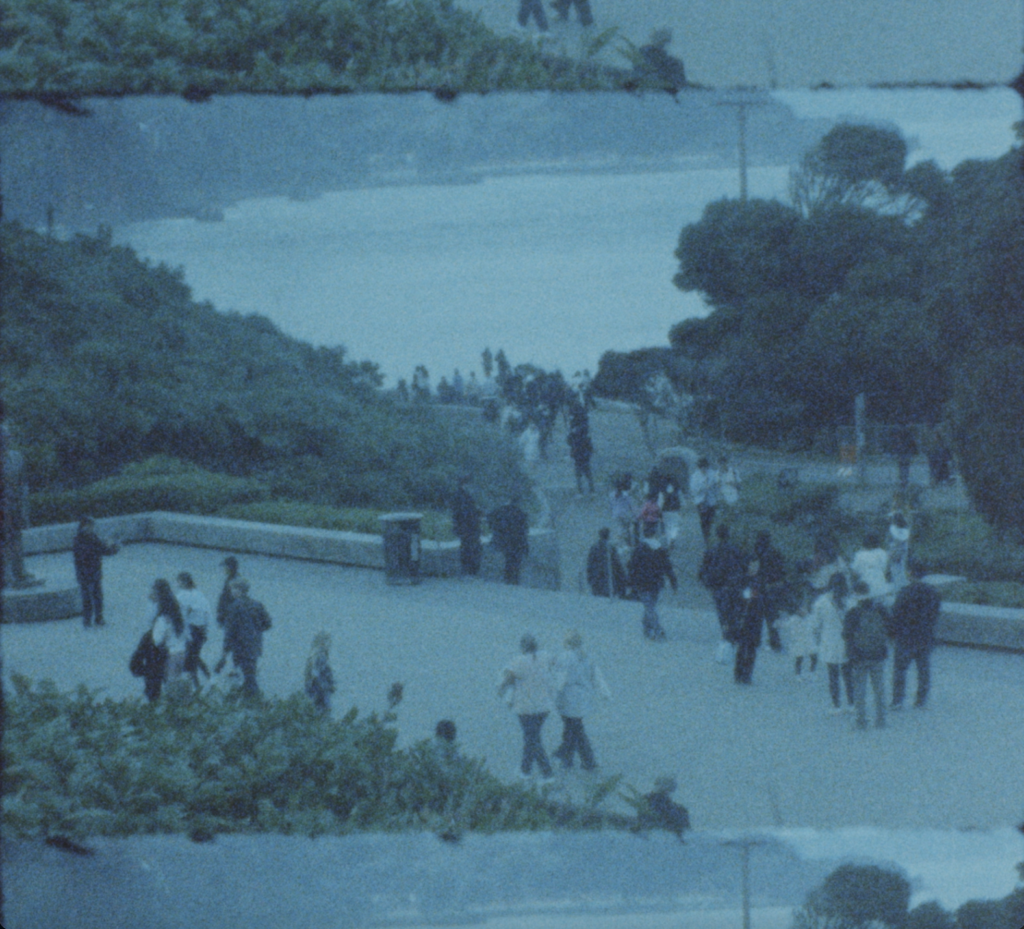

A programme of filmic rhythm and blues – of love and fainting cheerleaders, and of our capacity for knowing and feeling in a present infused with trauma.
Run Time
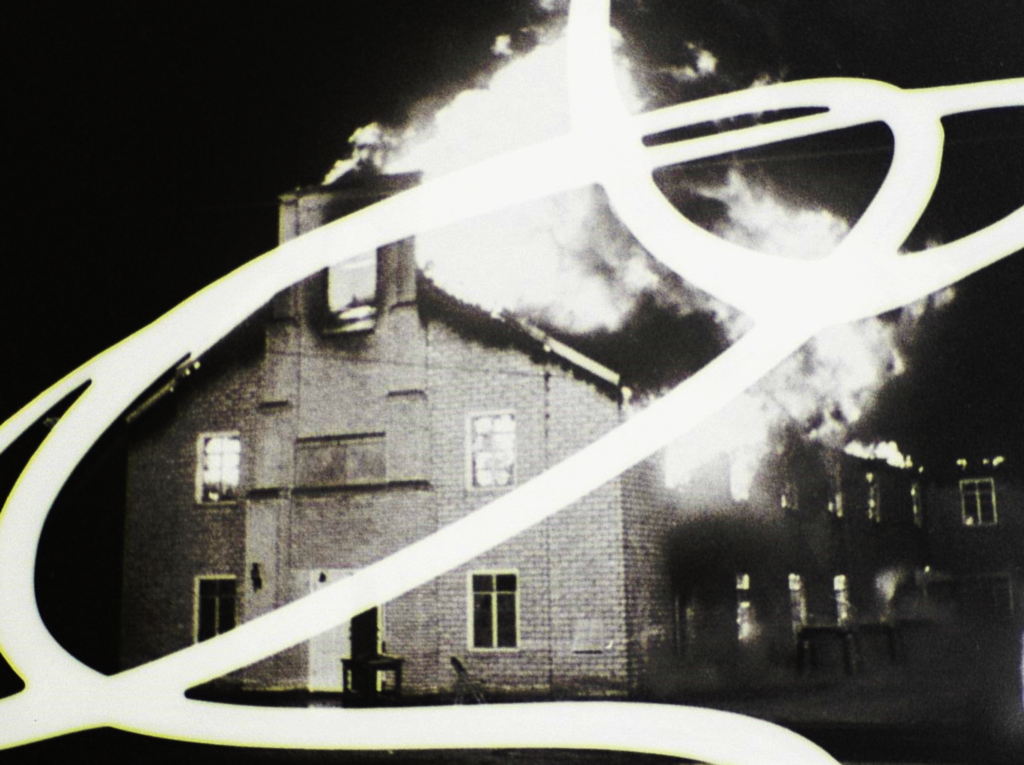
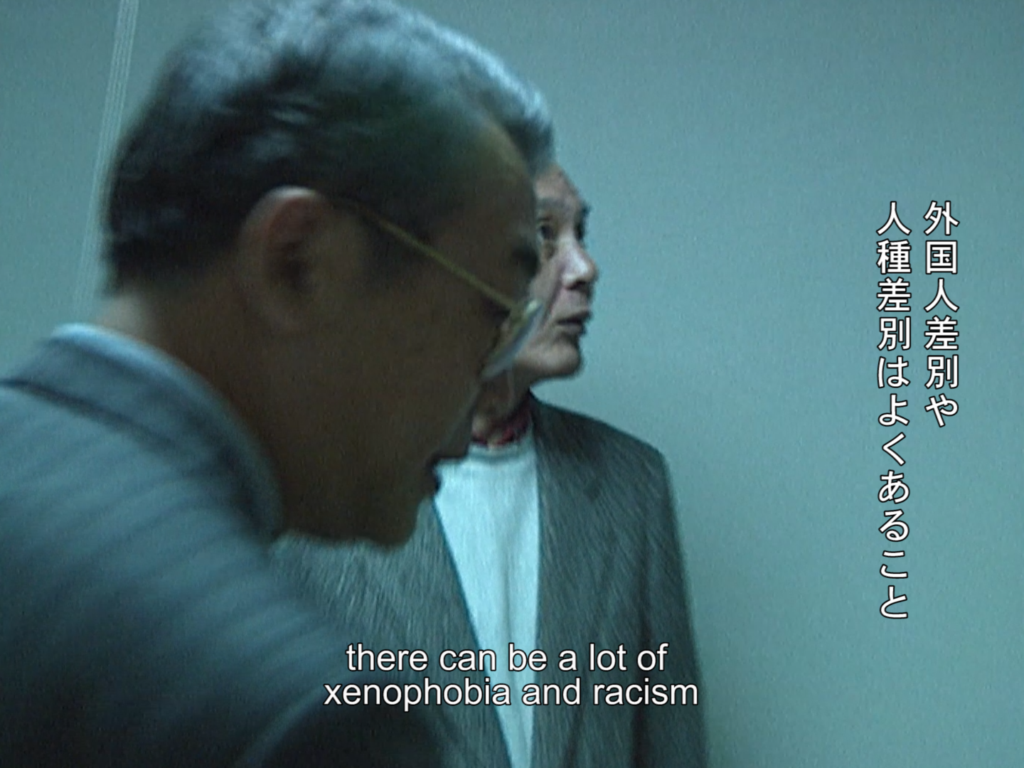
This propositions session features three new works by Morgan Quaintance, bookended by readings from sociologist Laura Harris. Titular film Available Light explores notions of home and belonging in contemporary society. Comprising interviews with workers at the Edo Tokyo Open Air Architecture Museum in Tokyo, and fragments of conversations with renters in that city and London. Seeikokan III and Walking Distance are shorter, ‘miniature’ works produced during the same period of research and production in Tokyo. Filmmaker and translator Chiemi Shimada will lead a Q&A with Quaintance and Harris to conclude the event.


Telepathy, waterways and ban♡its obsessed with Heath Ledger’s Joker connect a programme of new cinema exploring representations of family, intimacy and ancestral memory.
Run Time
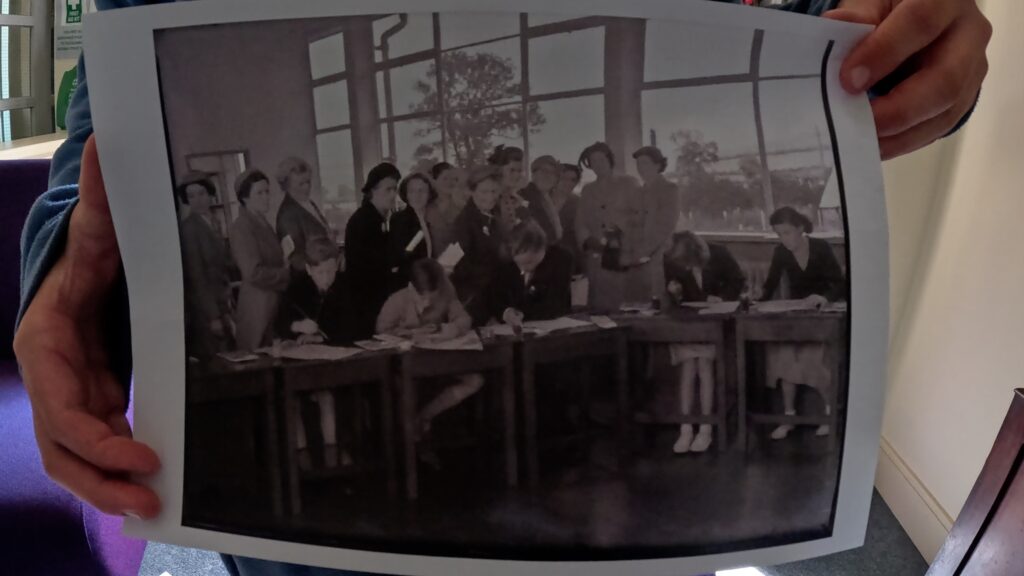
Two participatory art projects from the North East where young people were asked to consider their perception of, and experiences in, local communities in Wooler, Northumberland and Byker, Newcastle. The young artists worked with a filmmaker to explore the rich archives of their local areas, uncovering histories and thinking about their identities in relation to notions of place.
Run Time

Unfolding over a single night’s journey into morning, Nightshift (1981) distills the comings and goings of a hotel foyer into an eerie series of moods.
‘If every person on the planet could make a love tape, then you’d really know what it’s like to be human’ ~Wendy Clarke
Endless Love Tapes (United Kingdom, 2025) is a pilot project by Wendy Clarke (US) and Kim Coleman (UK). Artist Wendy Clarke’s participatory video project, Love Tapes – which she began in 1977 – is an incredible collection of over 2,500 three-minute videos where people discuss what love means to them.
just above the tear duct on each side
A critical look at the evolution of Irish psychiatric institutions across the 20th century, examining the confluence of carceral, therapeutic and socioeconomic incentives that determined their influence.
A film, installation, and exhibition by artist and filmmaker Harry Lawson, created in collaboration with young inner-city horse riders from Stepney Bank Stables in Newcastle. Reimagining Byker as the Wild West, the project blurs the line between fact and fiction, weaving together recontextualised iPhone footage shot by the riders, archival material from the North East Film Archive, and Lawson’s own cinematography.

An incredible collection of over 2,500 three-minute videos where people discuss what love means to them. Beginning in 1977, the collection continues to expand today with contributions filmed at the 20th Berwick Film & Media Arts Festival 2025.
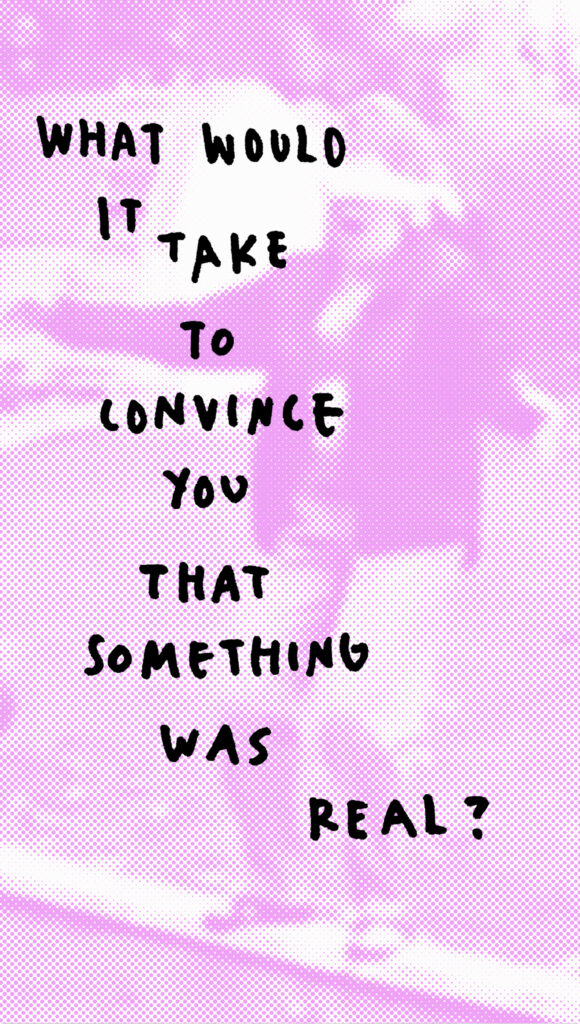
Our next Vertical Screen Commission is What would it take to convince you that something was real? by Andrew Wilson. Catch the short film through the window of The Burr of Berwick on 22 Bridge Street 24hrs a day.
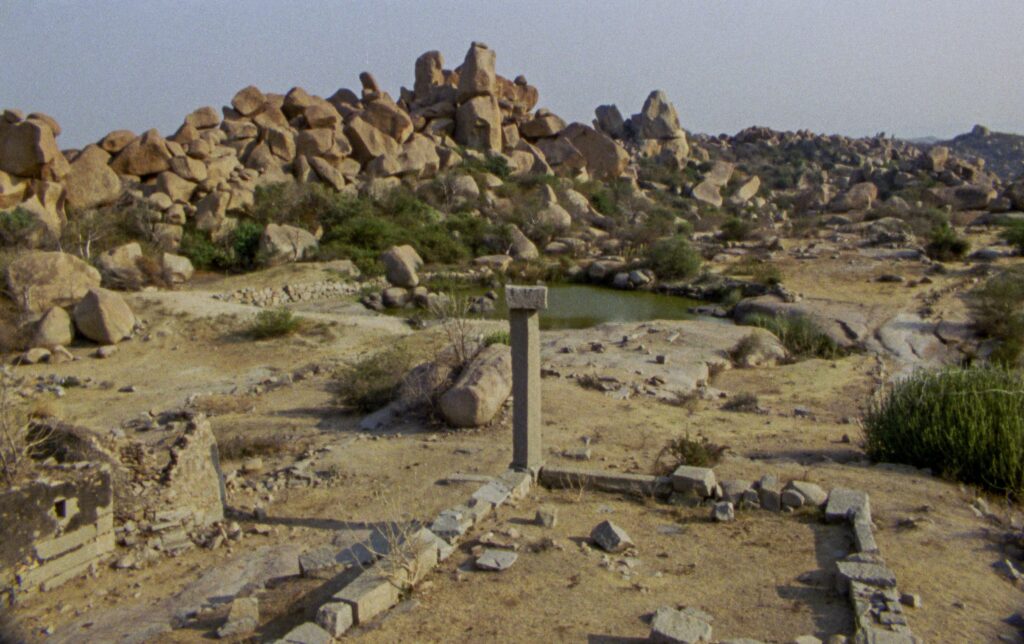
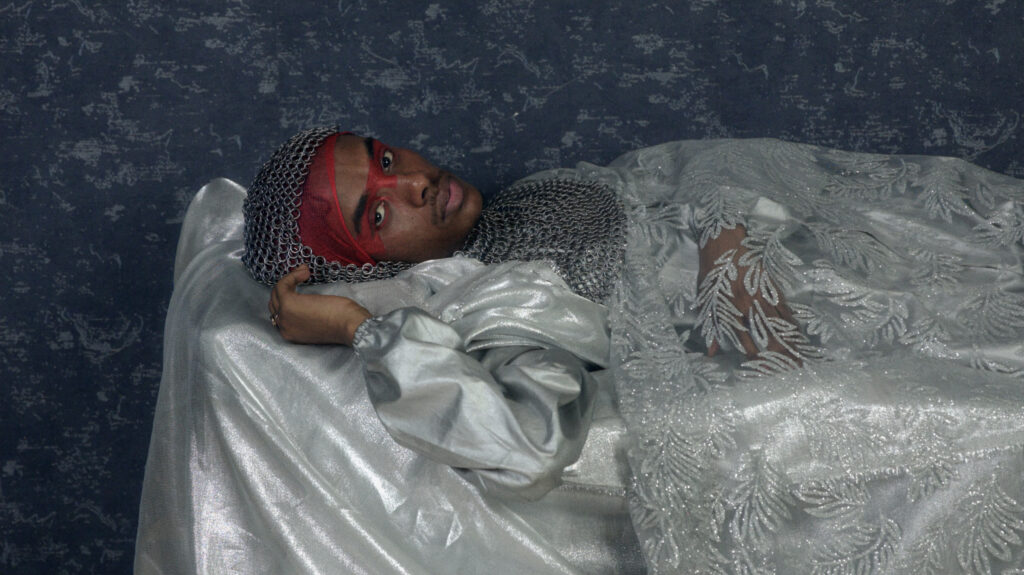
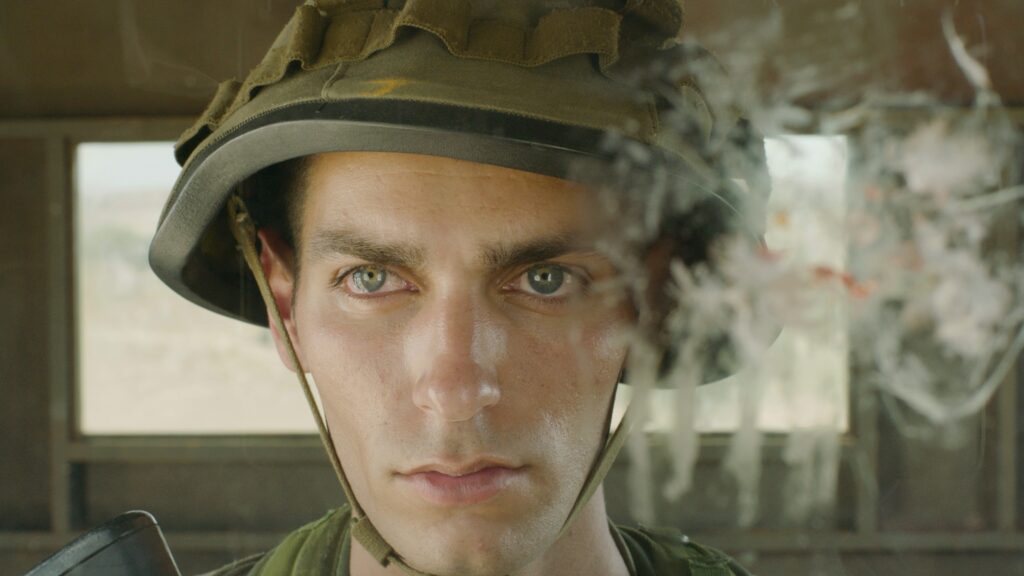
Past and present infuse each other with strange energy across films that capture people and places at the borders of transformation. As the sun sets on ancient ruins a shutter opens and closes, and a light in the distance reflects on the glass of a soldier’s lonely watchtower.
Run Time
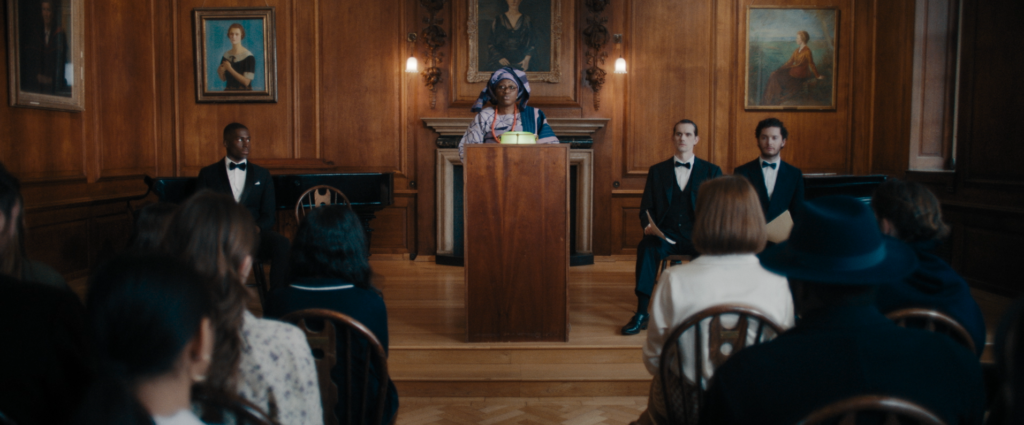
Anti-colonial intellectuals, artists, and activists like Funmilayo Ransome-Kuti, Kwame Nkrumah, and George Padmore were all in the heart of Empire – London – in 1947. They were imagining a world after colonialism, but did they meet? And if they all did, what did they discuss, what did they conjure?
A Radical Duet is a dual timeline hybrid film about two women of different generations who come together to put their fervour and imagination into writing a revolutionary play.
Run Time
barrunto is a feature length speculative fiction taking place in a future of the past, in a present, ruptured now. It is an intimate exploration of environmental grief and resistance in shifting landscapes of loss, from the streets of Puerto Rico to sites of nuclear contamination and military occupation in Scotland, from the bottom of the ocean to the planet Uranus. Through digital, archival and hand-processed 16mm film, barrunto sensorially translates bodily unrest, forecasts, or omens via signals sensed in the environment.
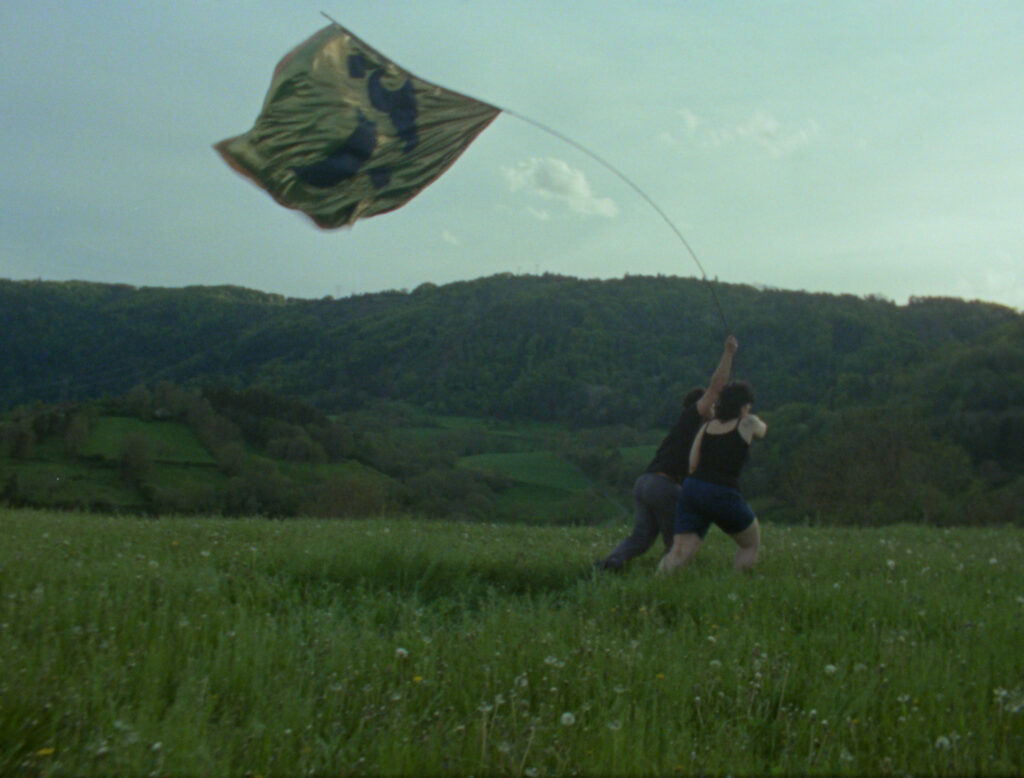
Two films set in liminal spaces of exile. In the wake of dispossession, when dreams are deferred and memories bring pain, small acts of collective speaking generate new threads of resistance, liberation, and hope.
Run Time
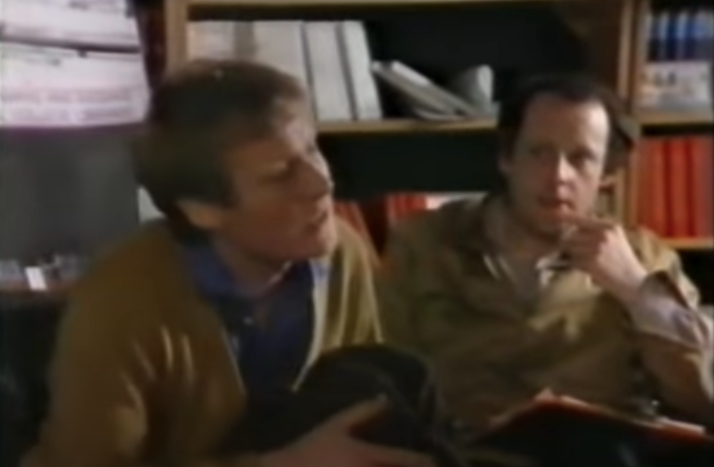
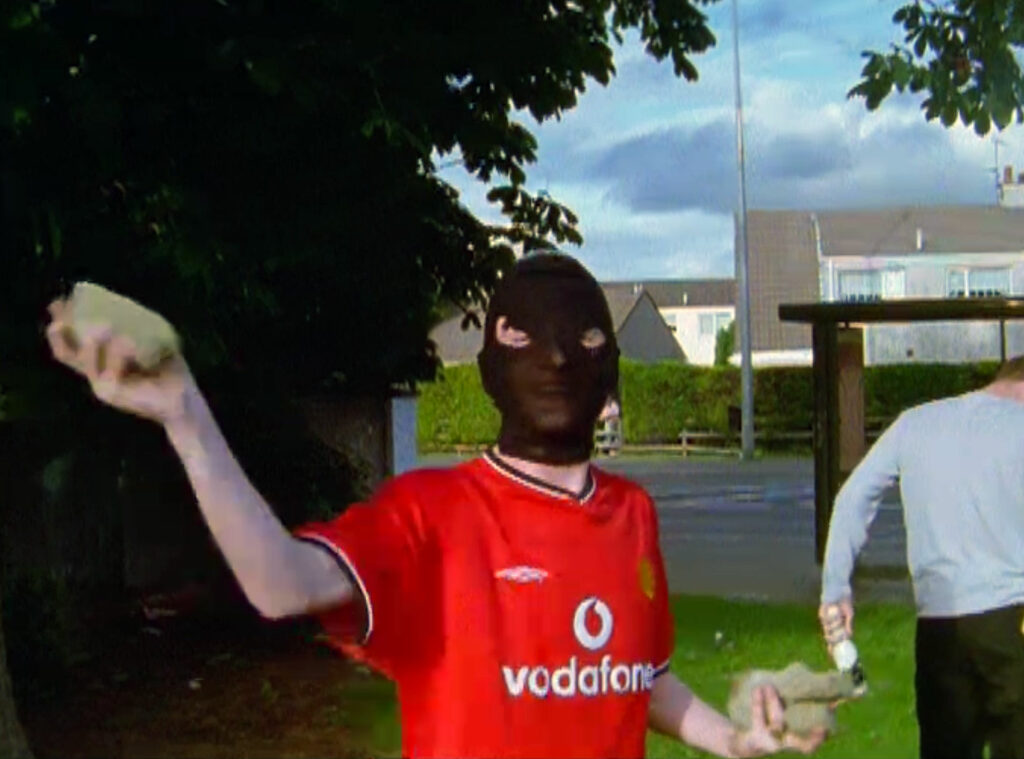
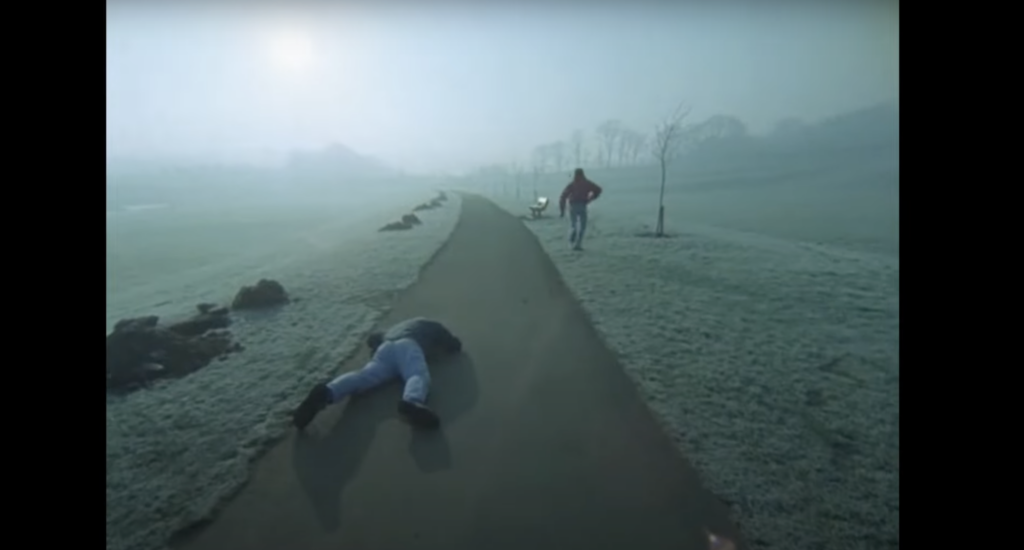
Maria Fusco is a working-class writer who grew up during the Troubles in Belfast. This Propositions event clashes together two BBC TV plays and an artist’s film to explore the ongoing legacies of censorship, voice and socio-cultural velocity with particular reference to the BBC’s broadcasting ban of 1988 to 1994 of Northern Irish (largely Nationalist) politicians.
The event title is a quote from Reginald Maudling, Secretary of State for Northern Ireland, 1970-72
Run Time

An open, drop-in conversation inviting responses to the Festival’s programme of films, considering environmental grief, care and survival strategies in difficult times – and the flexible binary between who/what and how/where we nurture.
Join us and the Southern Uplands Partnership in an expansive conversation.
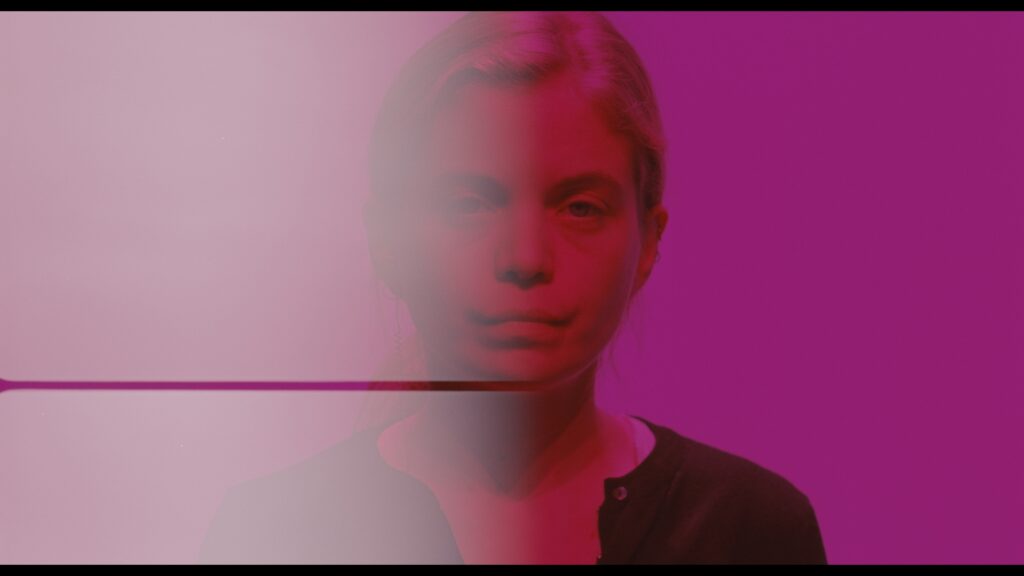
When freedom is at stake, who has the right to speak? Two films troubling the politics and poetics of language in public life; how it might be bent and shaped towards liberation of our individual and collective selves.
Run Time

The Burr Film Library contains stories made in and around Berwick
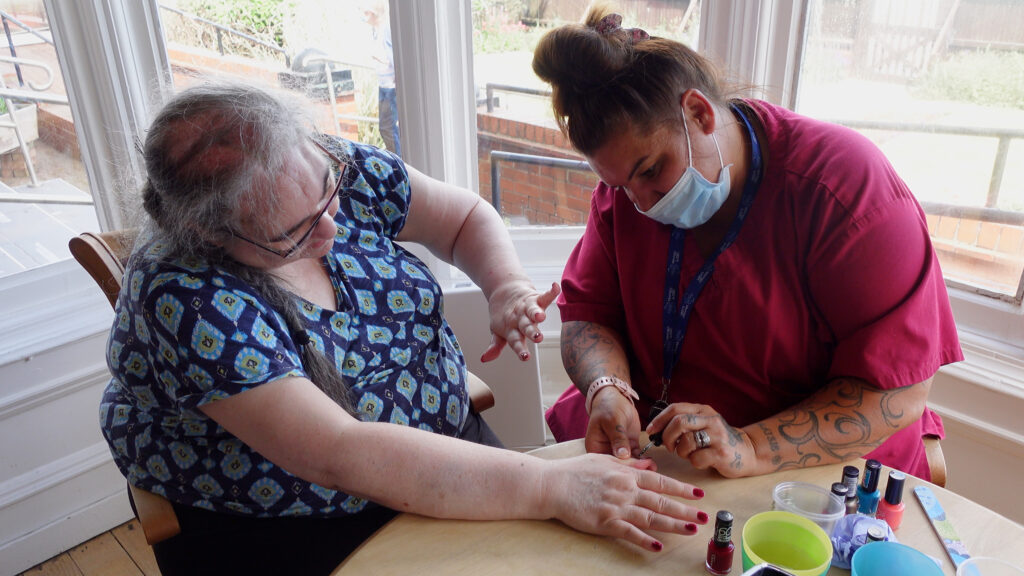
From the beginning of 2021, as the UK continued to confront the Covid pandemic, staff working in one North East England care home were invited to film their everyday lives. Care leads us through the ups and downs of life in the home over 12 months through the eyes, words, and newly learnt camera skills of those working and living there. As residents celebrate their own milestones, from 100th birthdays to winning at bingo and enjoy Christmas parties and VE Day, the film gives a joyful, challenging, and emotional insight into life, love and loss inside the home during and beyond the worst days of the pandemic.
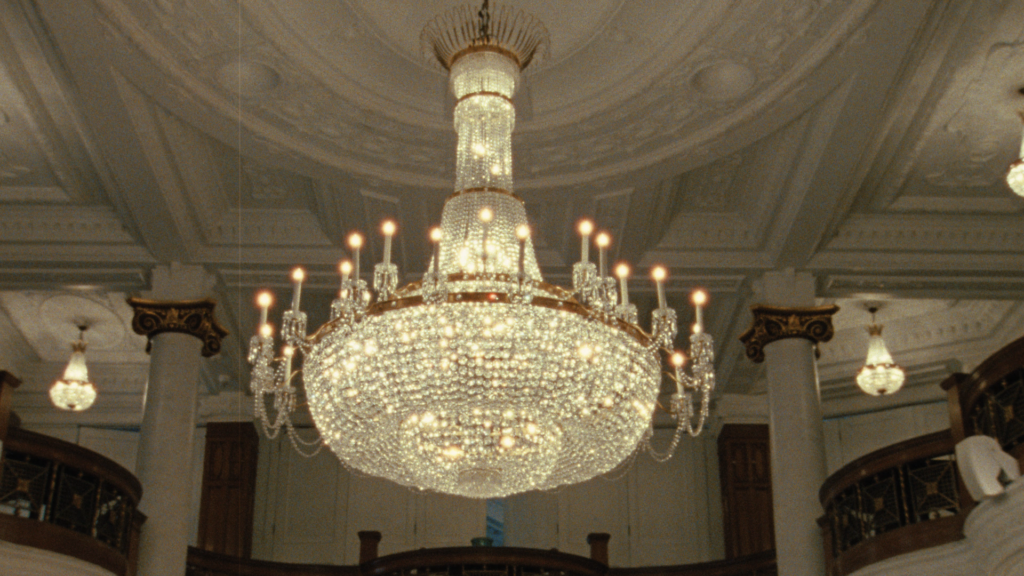

A combined programme featuring Huw Lemmey and Onyeka Igwe’s lyrical reflection on intimacy and surveillance through the development of British espionage, and Manuel Muñoz Rivas’ transporting voyage across an expanse of water, half-light and darkness.
Run Time
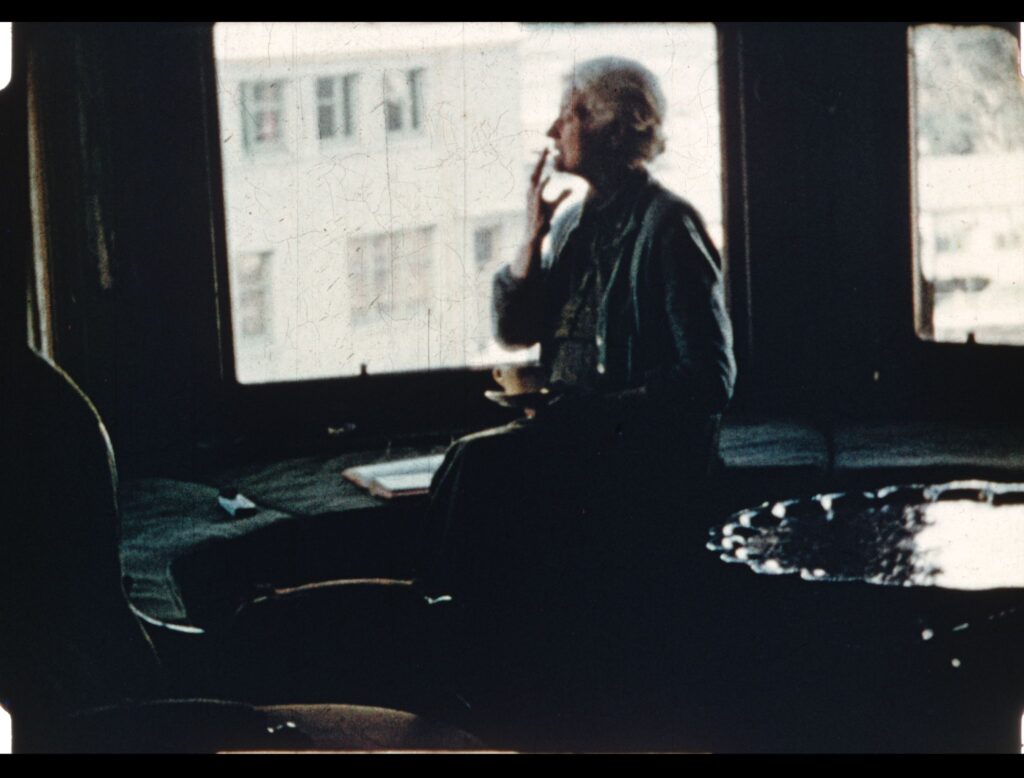
Drawing on a wealth of unseen archival material and unpublished notebooks, Being in a Place weaves a complex and personal portrait of Margaret Tait’s life, from the perspective of a fellow artist sensitive to the potential Margaret envisaged for film as a poetic medium. At the centre of the film is an imagining of an unrealised script for a feature film discovered amongst Margaret’s documents in Orkney titled, Heartlandscape: Being in a place – a document of a landscape, and of a journey through it.
Three concentrated doses of cinematic pleasure. Artists in this programme meditate on storytelling and agency, synthesising practices of filmmaking and living to suggest new forms of intergenerational care. The ways we interpret our collective selves are explored through tender engagements with technologies of record and remembrance.
Run Time
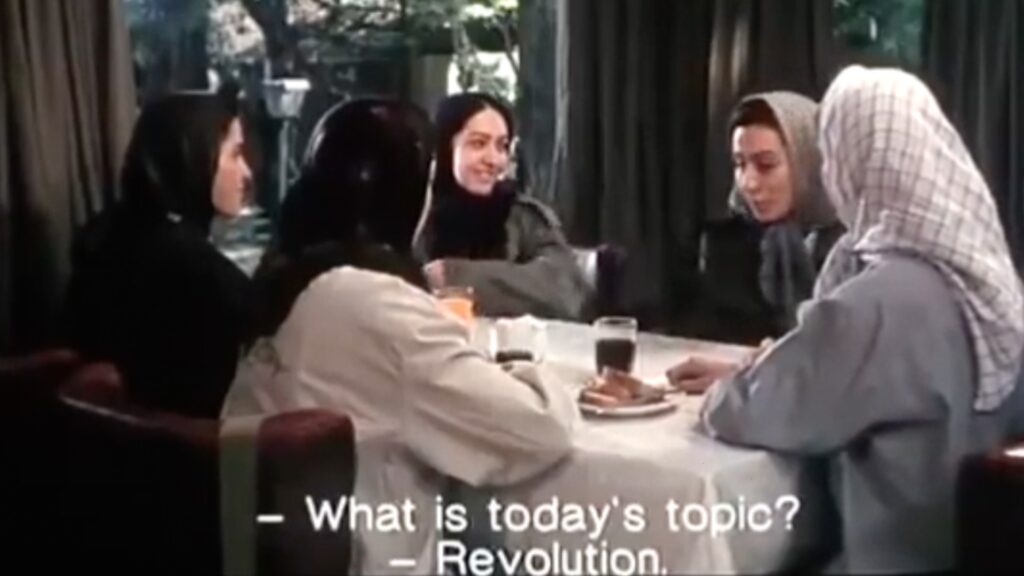
An in-person screening-performance by award-winning Iranian artist, Maryam Tafakory, whose textual and filmic collages interweave poetry, documentary, archival, and found material.
“To the outsiders, the bystanders, the virtual onlookers, to the disaster capitalist, the hopeless, the failed revolutionist—from wherever you are standing, come a step closer and listen as we try to rewind, to fast forward, to pause, to look away…”
Run Time
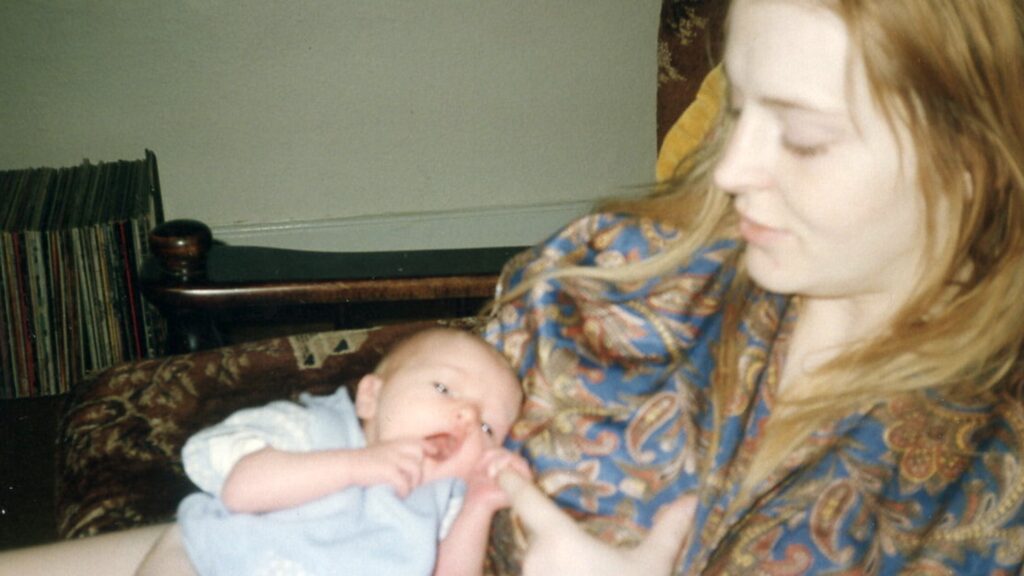
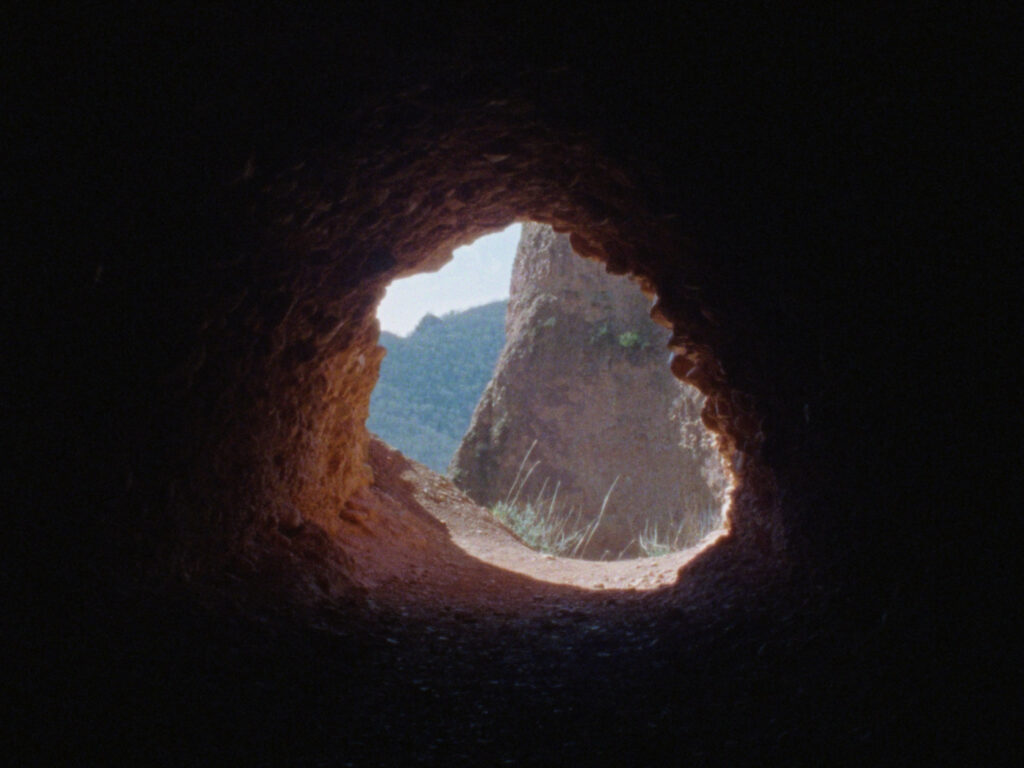
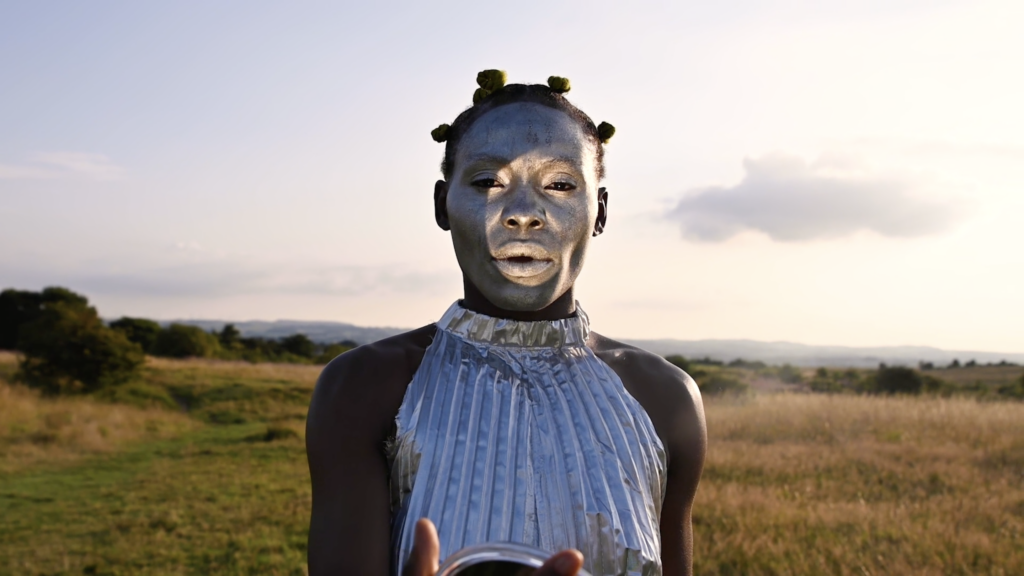
Personal, geological and collective histories are reencountered through this series of films. A reckoning is at the core of Myrid Carten’s candid portrait of familial ties in Sorrow had a baby. While the caverns of a corpse mountain become the place and wonder for a curious eye in Rita Morais’ 16mm film Há ouro em todo o lado, where a child’s play and voice relay sage observations of its past transformation. Afro-Diasporic underground disco, house and ballroom culture is source and inspiration for the blissful and rapturous worldmaking within India Sky Davis’ The Lifecycle of Rainbows.
Descendants is presented in collaboration with the MA Artists’ Film & Moving Image at Goldsmiths University of London, selected by artist filmmaker and programme director Gail Pickering.
Run Time
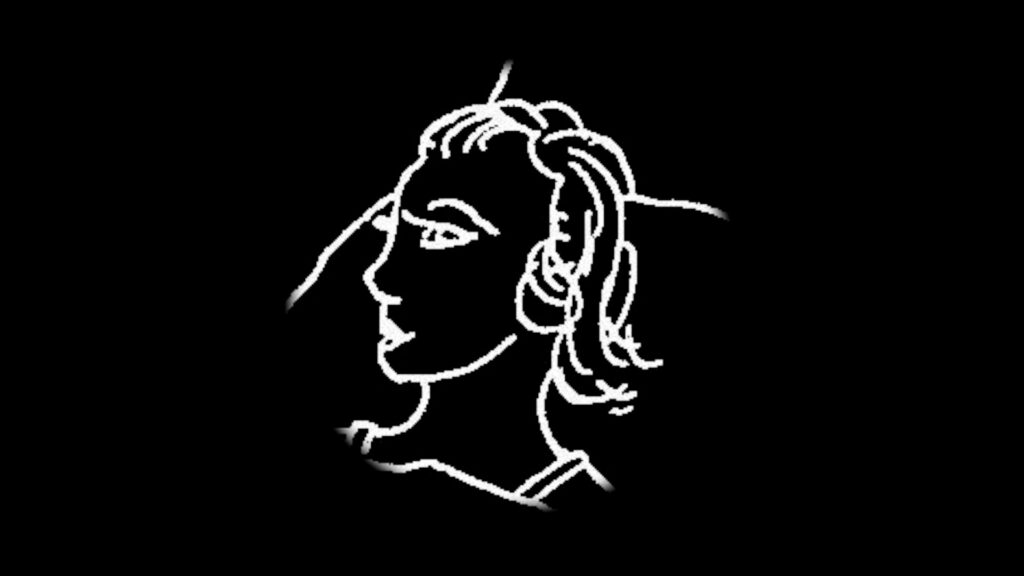
What is to be done when our homes and our dreams have been invaded? Graeme Arnfield’s nightmarish essay film traces the curious history of the doorbell, from its invention and reinventions through 19th century labour struggles, to the nascent years of narrative cinema and contemporary surveillance cultures. Home Invasion paints a terrifying portrait of technological ideologies and imaginaries shaping our everyday lives, staging a confrontation with the reality of machines and systems that work against us, hindering the emergence of radical futures.
Inner and outer space interpolate in this series of films exploring relational dynamics between public and private worlds. Instagram filters, YouTube tutorials, dating apps and a wearable eye tracker become interfaces through which to perceive shifting notions of bodily autonomy in contemporary life.
Run Time
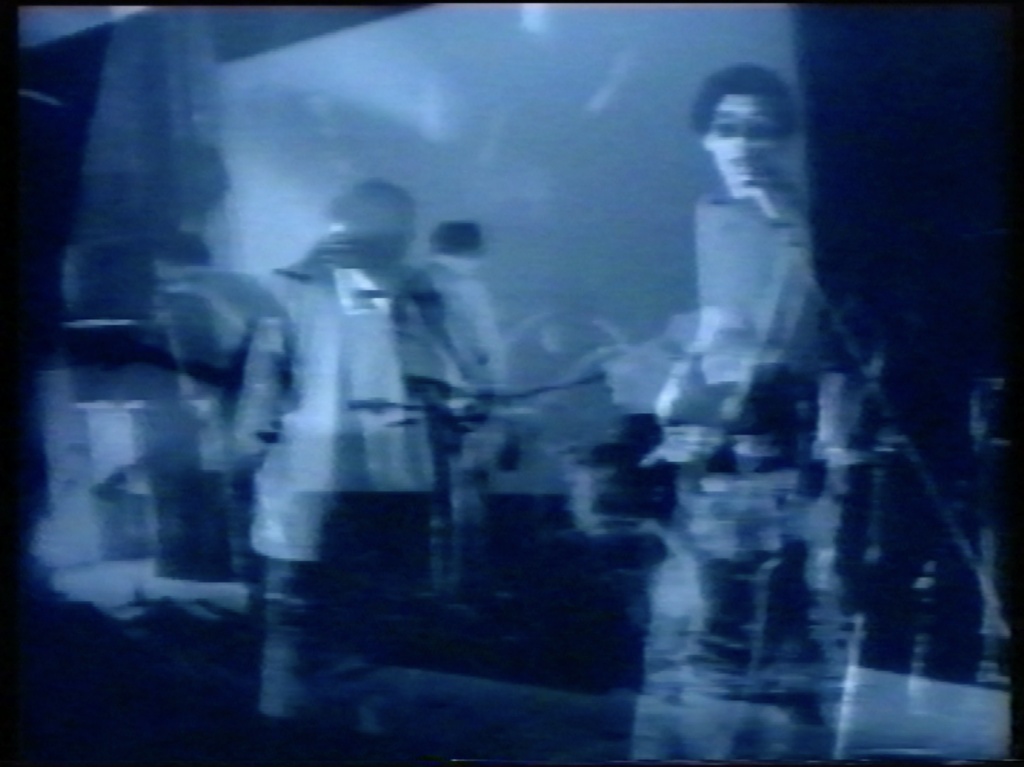
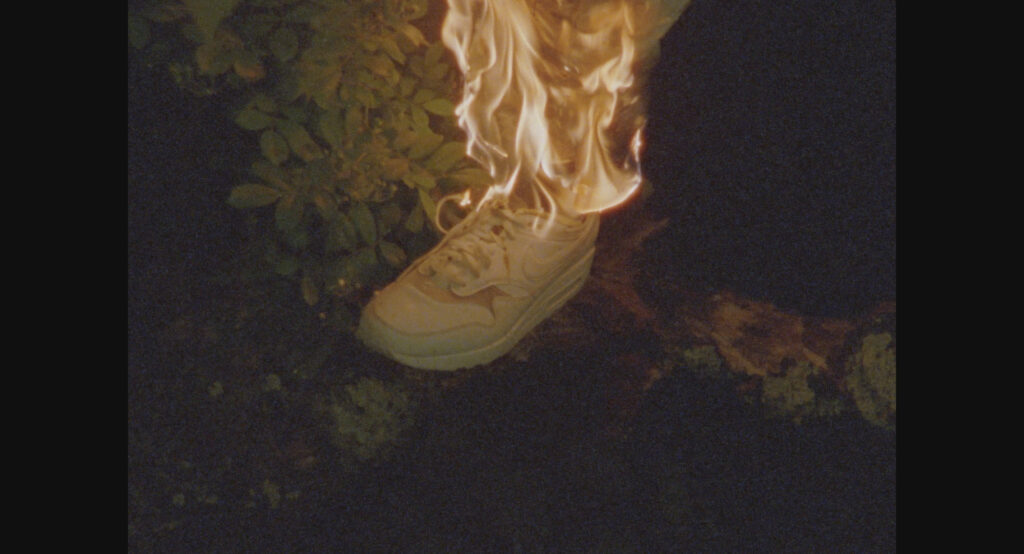
A series of hypnotic, fragmentary encounters reflecting on creativity, desire, identity and transformation. Forms of transgressive potentiality are explored through poppers training videos, VHS tapes documenting an esoteric musical subculture, and a night of ritual shapeshifting in a Boston parking lot.
Run Time
Christopher Ulutupu is an artist of Samoan/Niuean/German descent currently residing in Wellington. Through a richly pop, queer and celebratory Pacific lens he creates new narrative forms opening up conversations around collaboration, connection, and disconnection. The Pleasures of Unbelonging is a new commission presented by CIRCUIT with support from TAUTAI, Creative New Zealand and BFMAF. Following its world premiere screening Christopher will be in conversation with May Adadol Ingawanij, Professor of Cinematic Arts at University of Westminster.

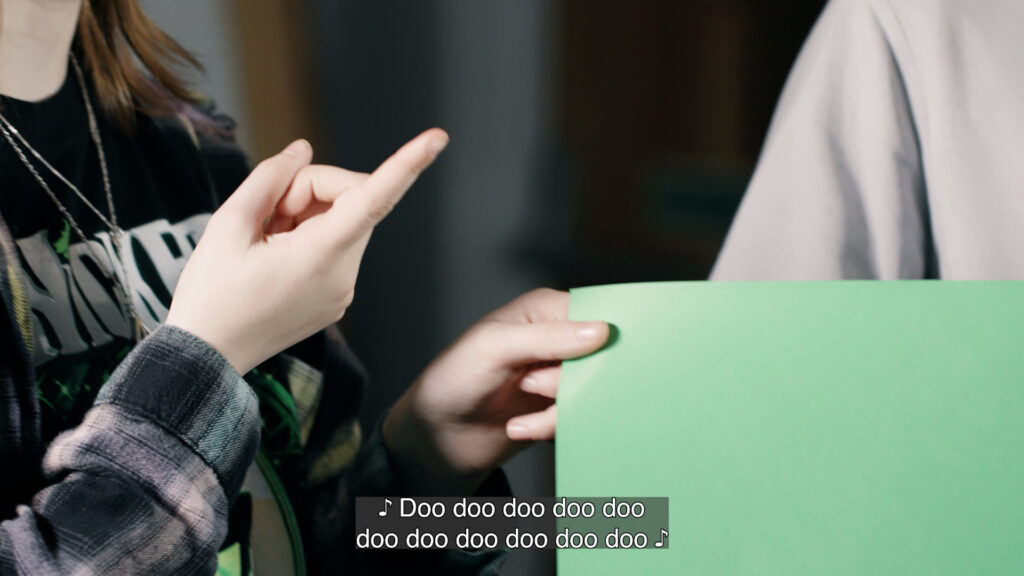
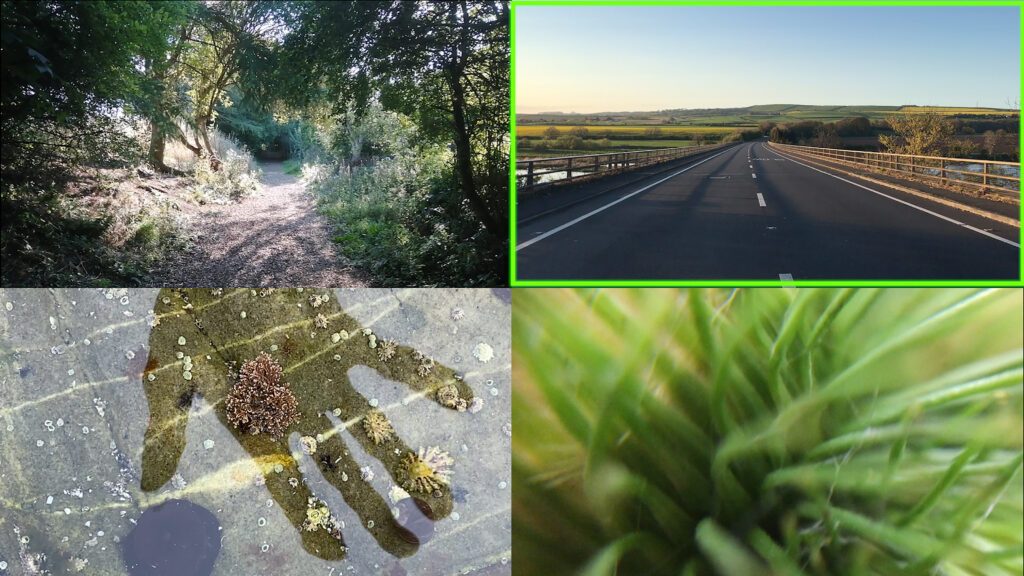
Three short works by young filmmakers in Berwick, made collaboratively with artists Kimberley O’Neill and Kathryn Elkin. Applying techniques of digital filmmaking and documentary storytelling, the films explore entangled relationships between people, technology and the local environment.